Necessity is the Mother of Invention

Keeping my craft supplies organized is important to my creativity. And, when I can’t find something to help me store supplies, it can be rather frustrating. While this necessity is not major (in the grand scheme of life) it has lead me to put my 3D printer to use and create some custom storage options for myself.

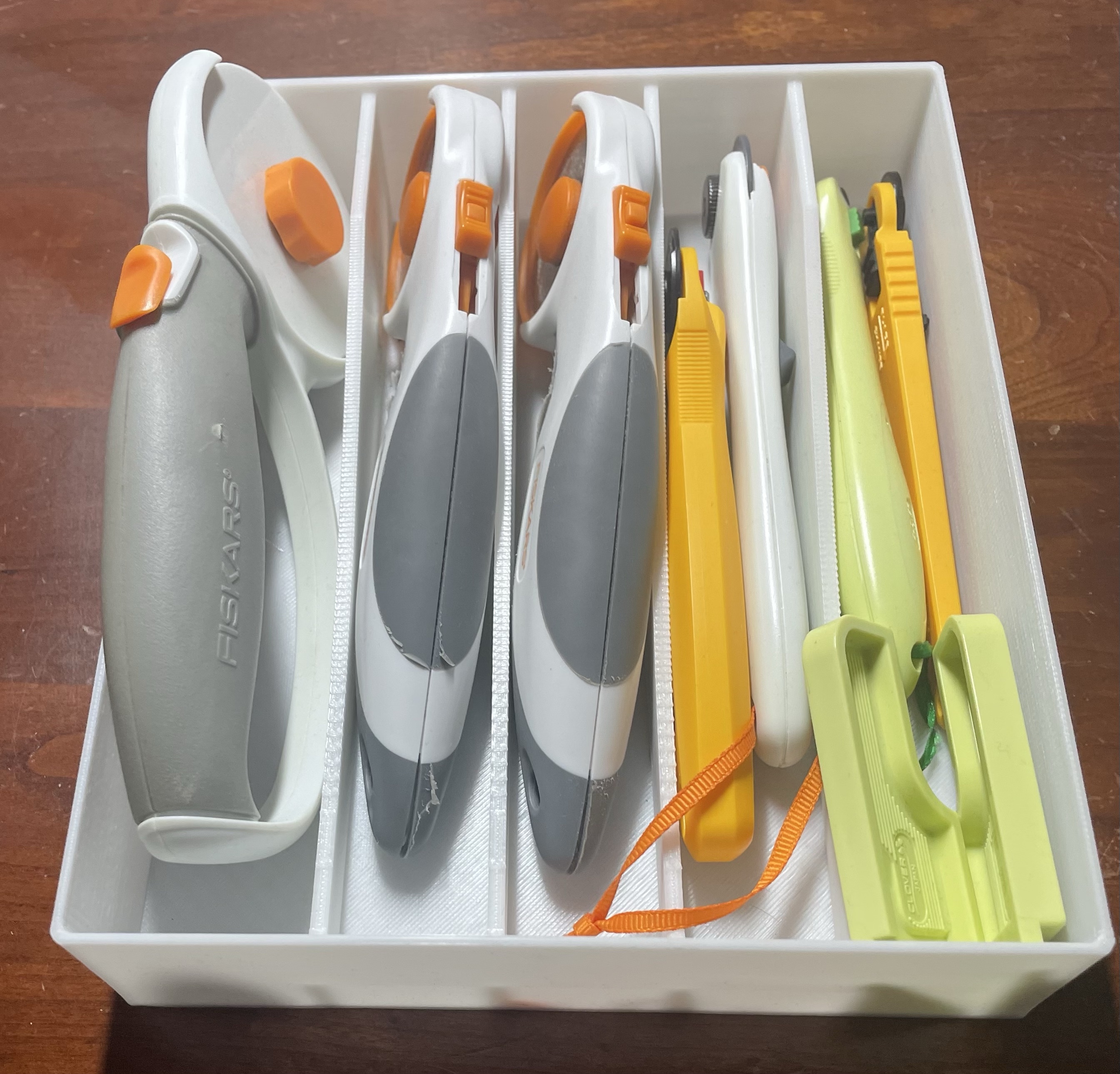
Rotary Cutter Storage Box. Originally these cutters were hung on the side of my desk with Command hooks, but would often fall off. I designed a box that holds all of my cutters and fits on the keyboard drawer of my sewing desk. Handy and Convenient.
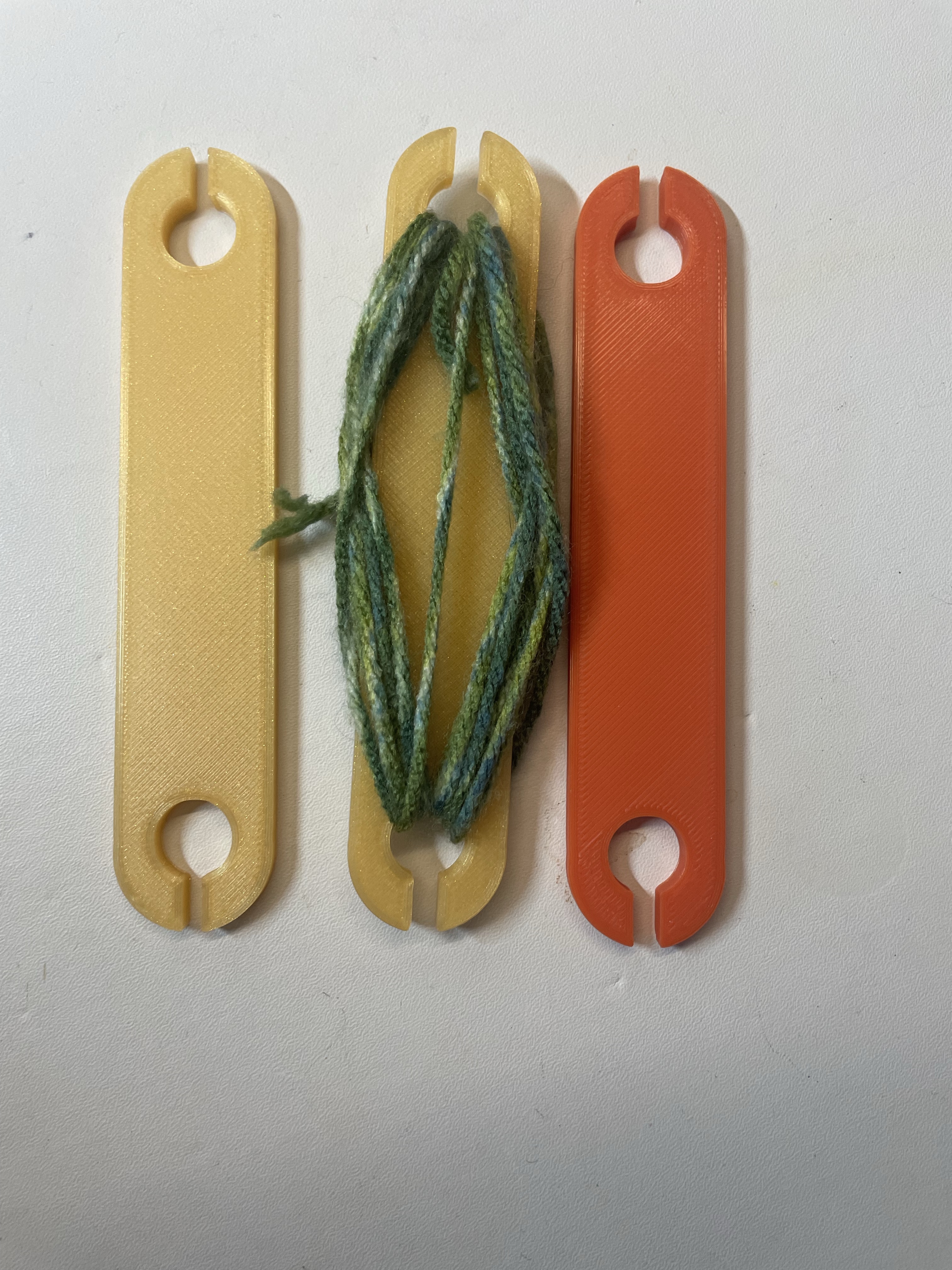
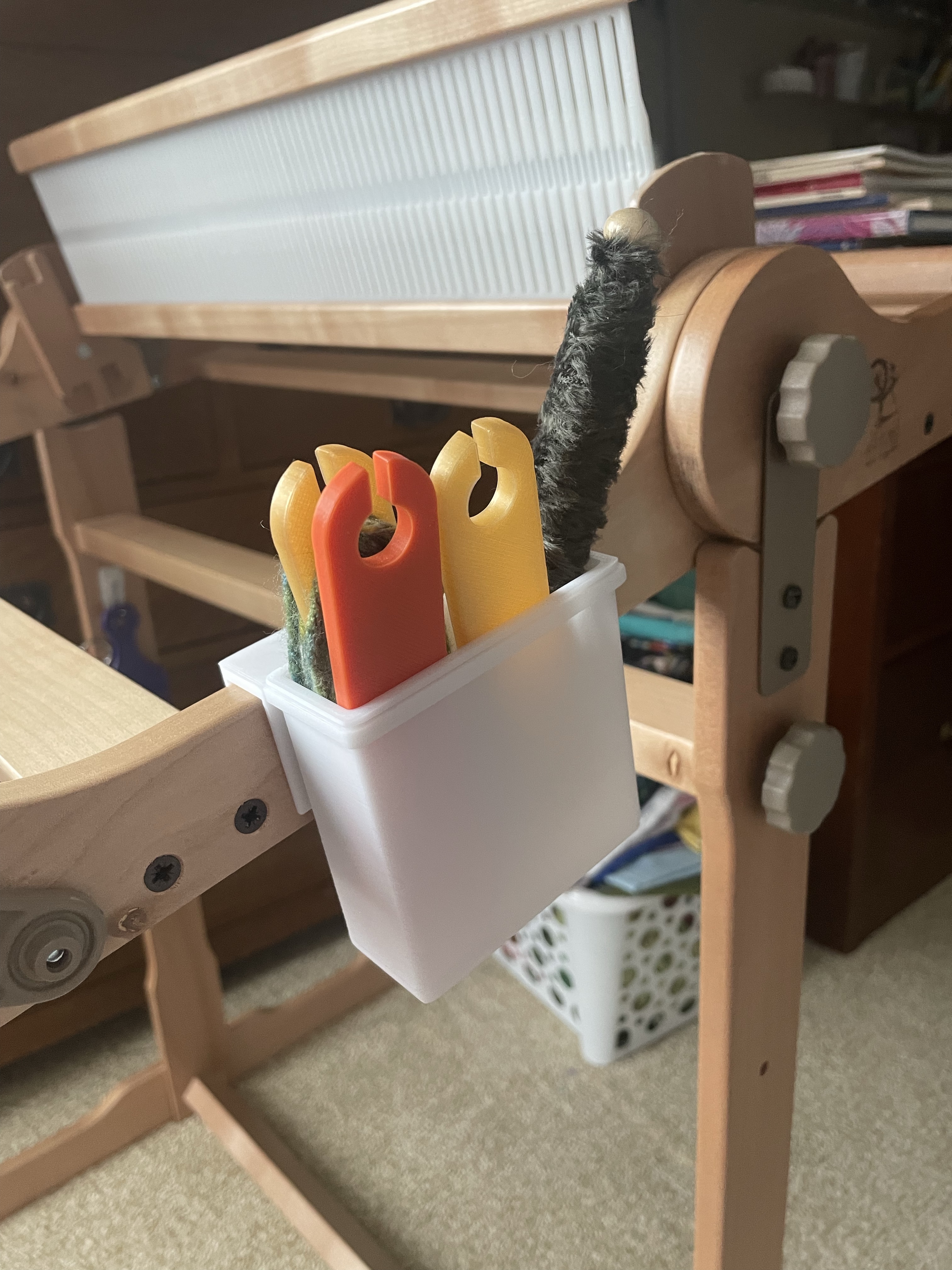
Loom Supplies. A shuttle is used to hold the weft yarn when weaving so that the weaver can pass the yarn from side to side. A weaving design with multiple yarn colors requires numerous shuttles or to change the yarn that is on the shuttle whenever the color changes. Most of the weaving that I do is scarves that I donate with knit or crocheted hats. Having only two short shuttles, I was having to rewrap my weft yarn often. Rather than spending money to buy more shuttles, I opted to design one to 3D print. Inexpensive and handy. However, I went one step farther and designed a hanging basket for the side of my loom to place the shuttles in when a am weaving.
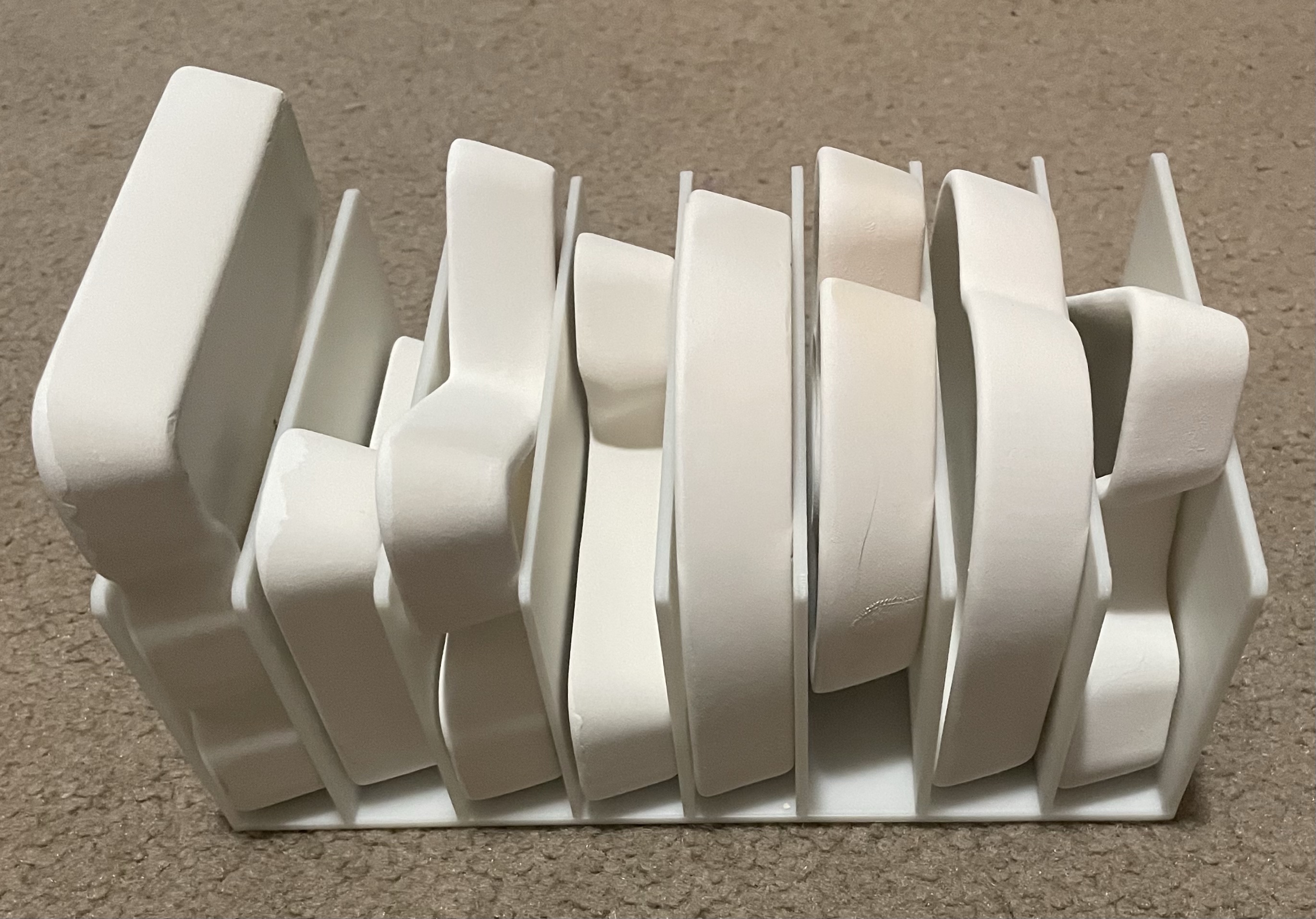
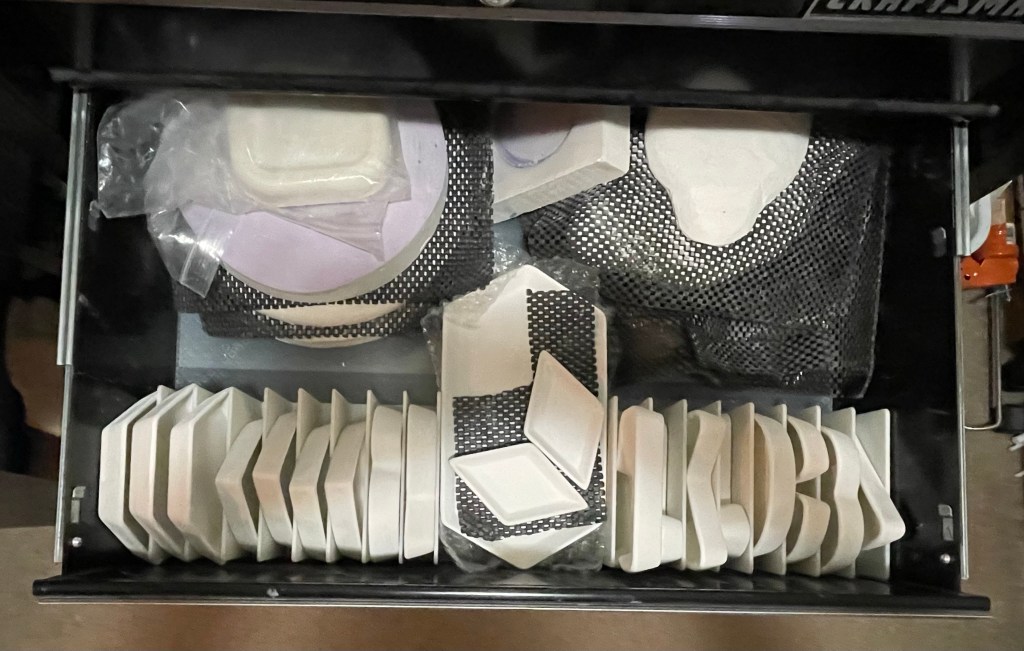
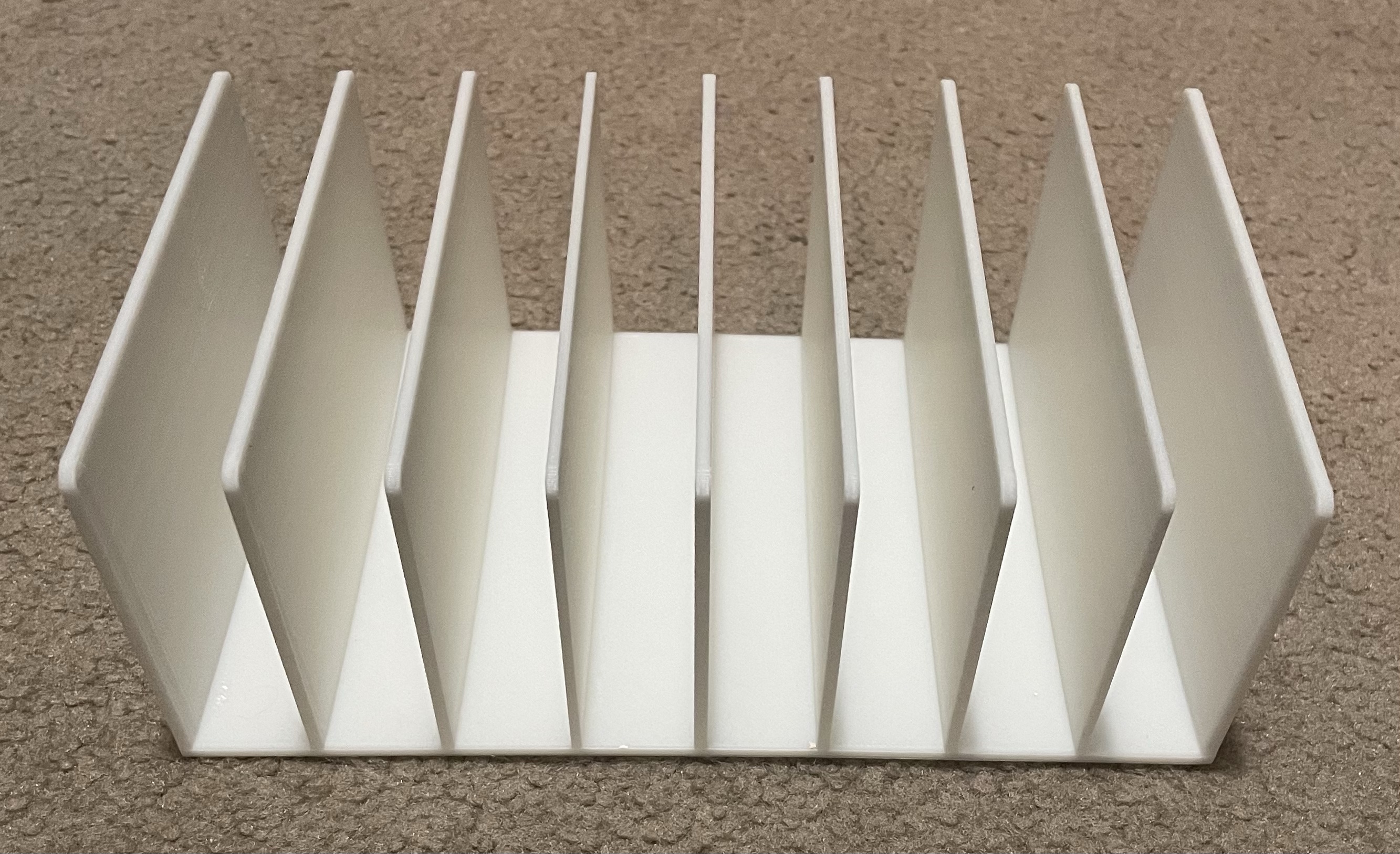
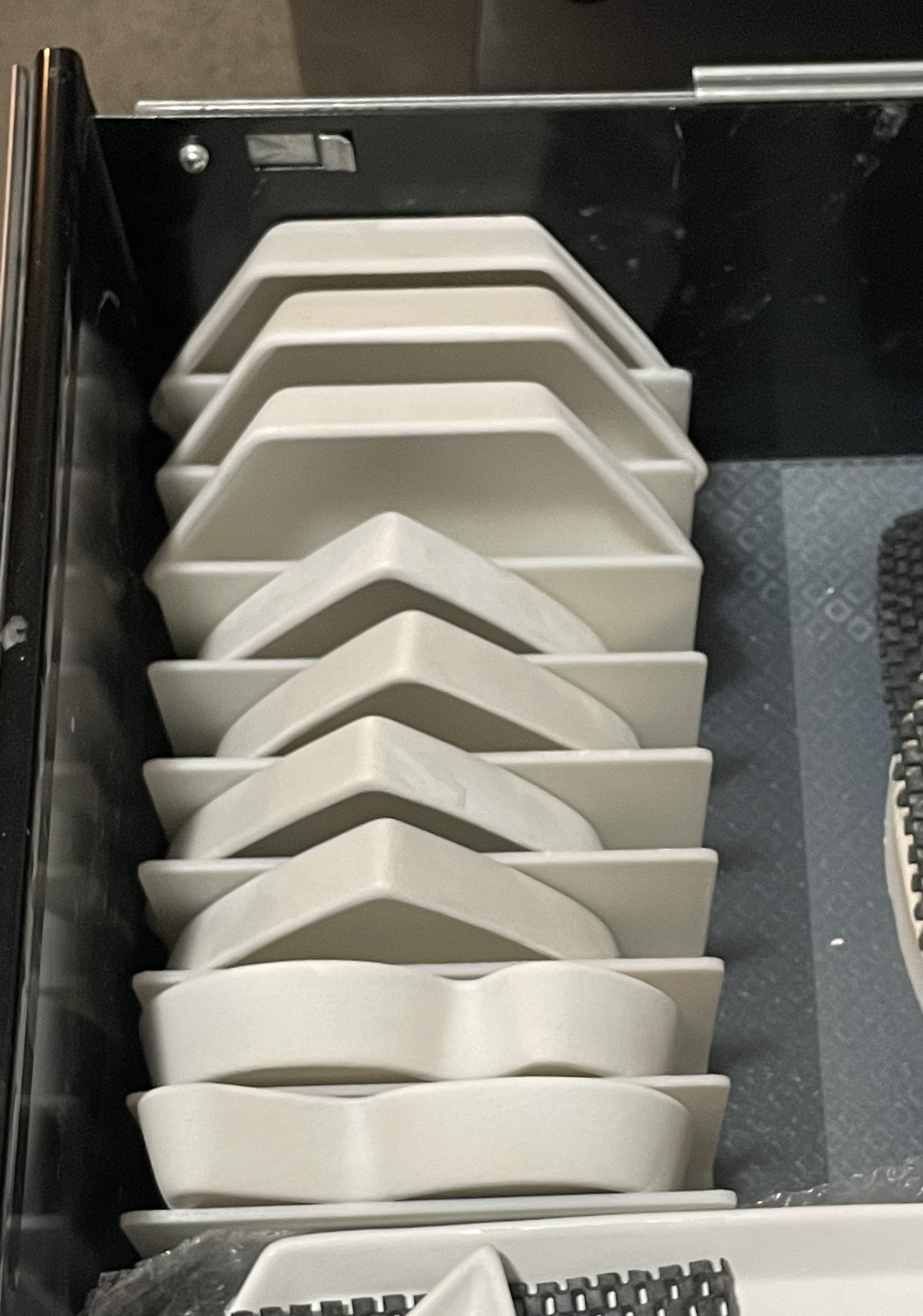
Fused Glass Casting Mold Storage Rack. I recently purchase numerous unglazed ceramic dishes from Target (hearts, hexagons, diamonds, and various letters). I had seen these being described on-line as inexpensive casting molds for fused glass. They cost $1-3 each and function the same as molds purchased specifically for glass that cost between $10-15 each. While fortunate to purchase several, I was having a hard time finding a storage spot for them in my glass studio. Again, I used my 3D printer and designed a couple racks to hold molds upright in the drawer of the cart in my studio. Problem solved, with minimal space needed.
3D Printer Tool Storage. Lastly, I needed to organize the small tools that I use with my 3D printer. I wanted these tools to be handy, but not just sitting out on the counter. I found a box design on Thingiverse, altered it, and made a couple boxes that attach to to either side of the bed of my printer.

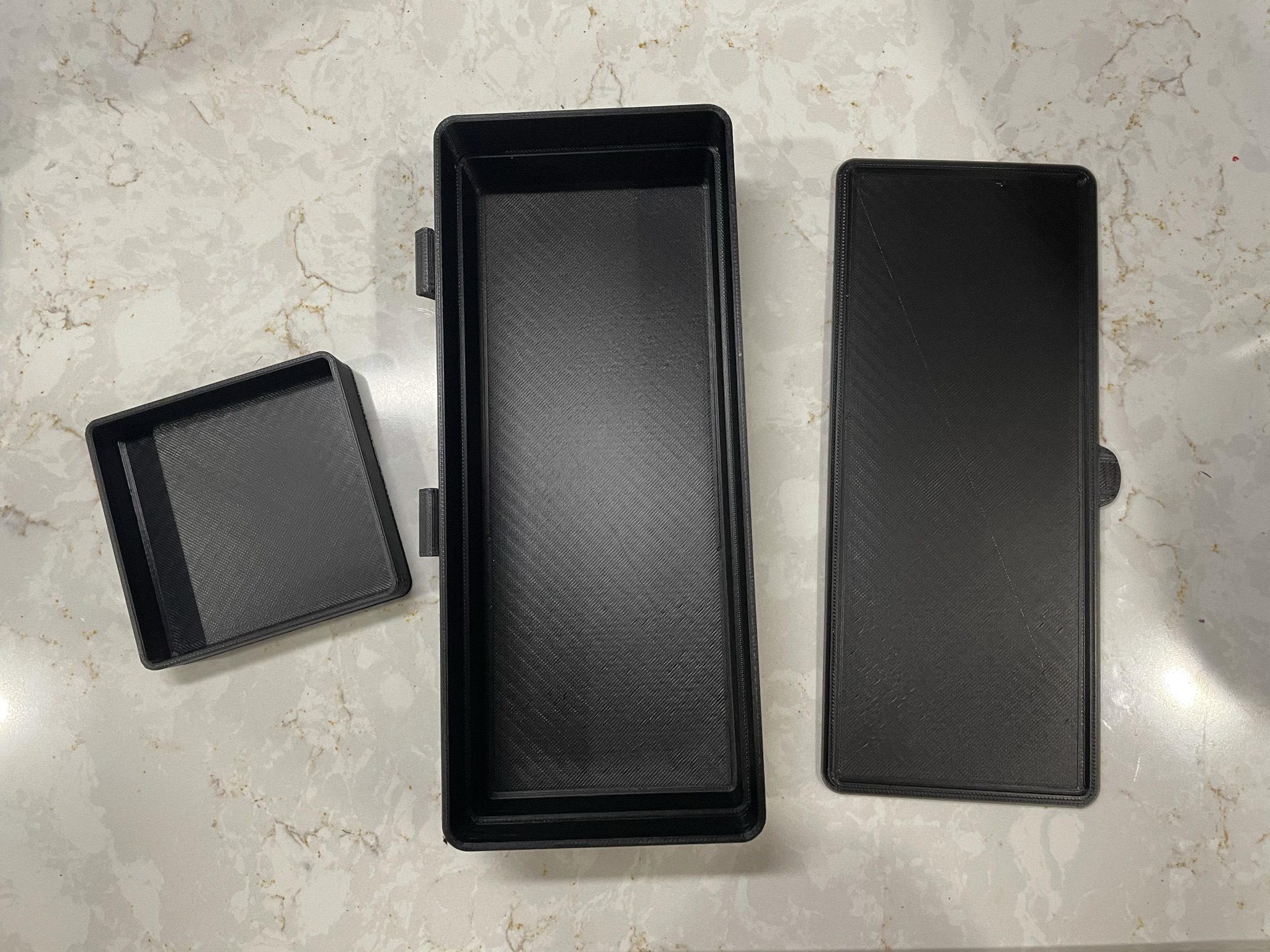
When I first purchased my 3D printer, I never realized how handy it would be for customized storage solutions!
Chemistry in the Kiln

Having an undergraduate degree in chemistry, and having spent numerous years involved in research (as an undergraduate student, graduate student and on the UM faculty), I do have a tendency to look at what is actually happening when I am doing various crafts that involve chemicals.

This was the case when I was learning how to dye fabrics and yarns, when making yogurt, and in my cooking and baking.

So, when I saw some fun ideas for creating bubbles in fused glass, I decided to learn a bit more about the idea.

Calcium carbonate is a chemical compound with the formula CaCO3 and a very pale green color. Upon heating, it releases carbon dioxide, a thermal decomposition reaction, to form calcium oxide. CaCO3(s) → CaO(s) + CO2(g)

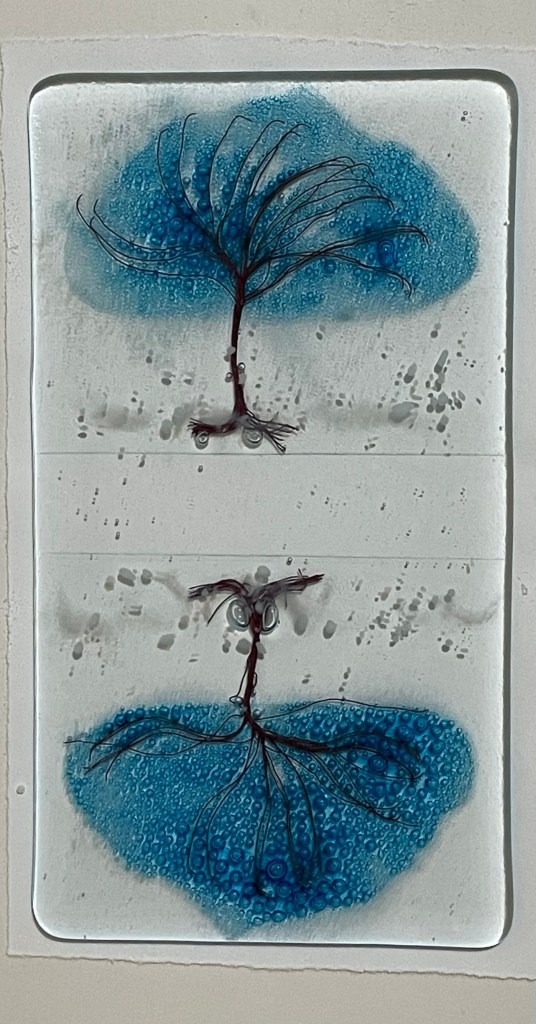
The temperature at which decomposition occurs is higher than the slumping temperature of glass. So, when calcium carbonate powder is placed between two pieces of glass, the glass slumps and seal the powder in the space between the glass. As the temperature is raised, the decomposition happens and carbon dioxide gas is generated, creating bubbles. But, because the glass is sealed together, these bubbles are trapped between the pieces of glass. And, the resulting calcium oxide is a lovely turquoise color.

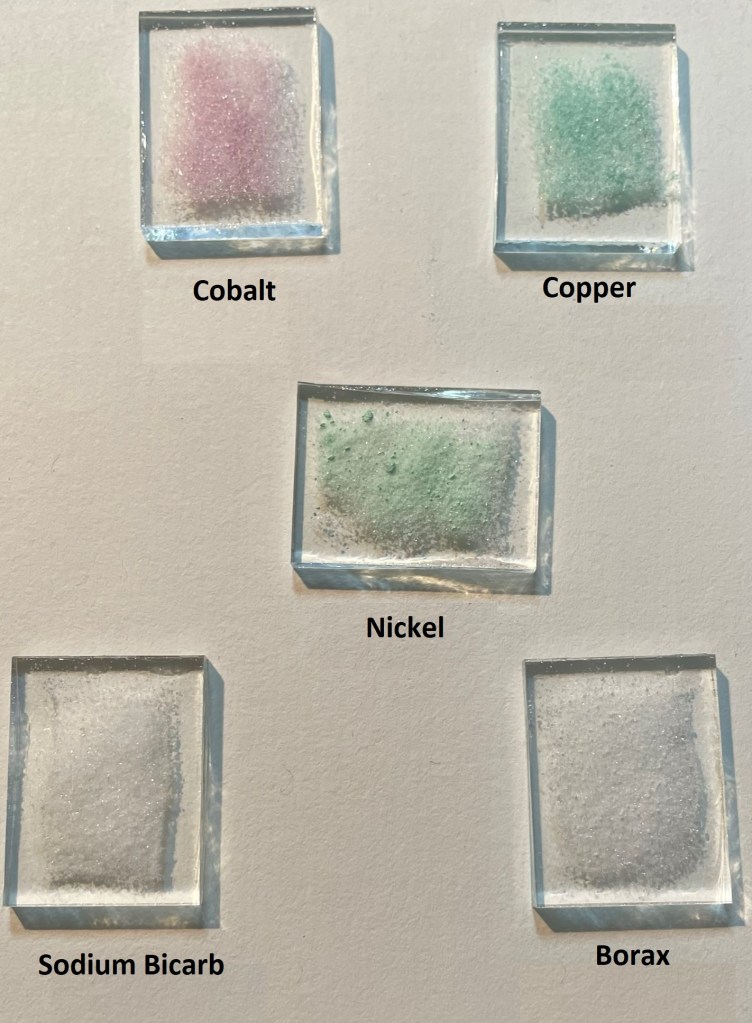
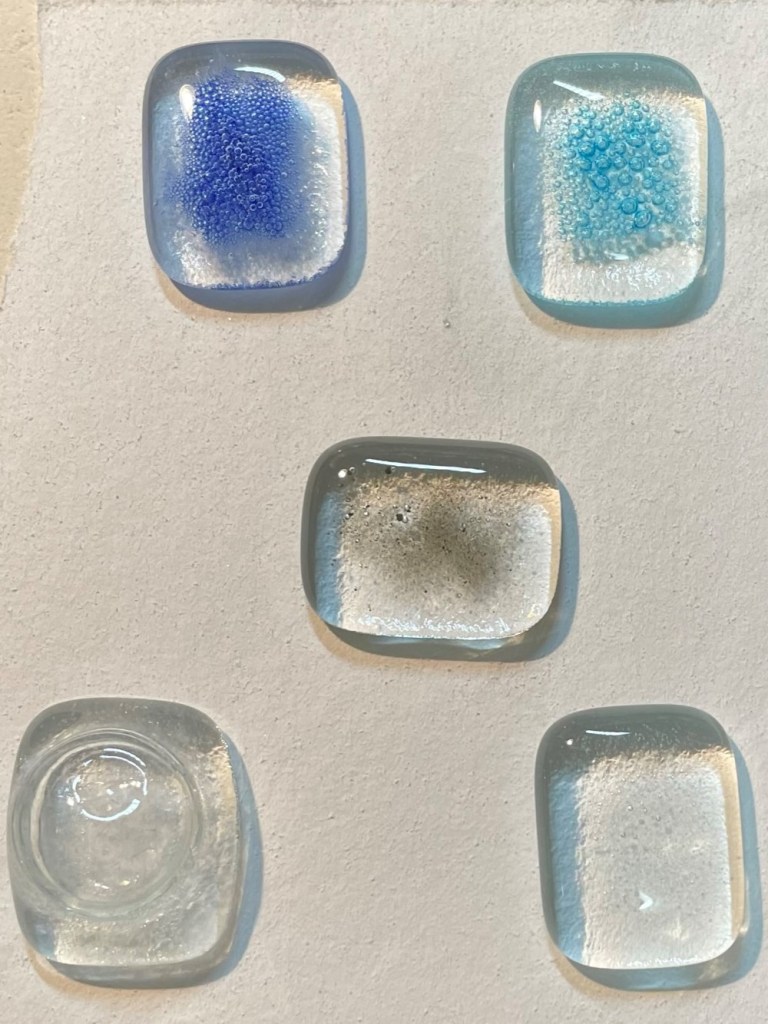
I set up to test this idea in my kiln. But, I decided to test some additional powders as well. Cobalt carbonate, copper carbonate, nickel carbonate, sodium bicarbonate and Borax were sifted onto 1″ x 1.25″ pieces of glass, capped with a second piece of glass and fired in the kiln at a full fuse schedule.

All of these powders created bubbles. The carbonates worked really well, giving some lovely blue, turquoise and grey bubbles. Unfortunately the sodium bicarbonate created a really large bubble and will not be very useful for some creative glass ideas. The Borax produced very small bubbles, more experimenting is needed to optimize the use of Borax.

This lead me to some really fun ideas. I think the cobalt carbonate would be nice to use for an underwater scene. I am hoping to give that I try sometime this year.

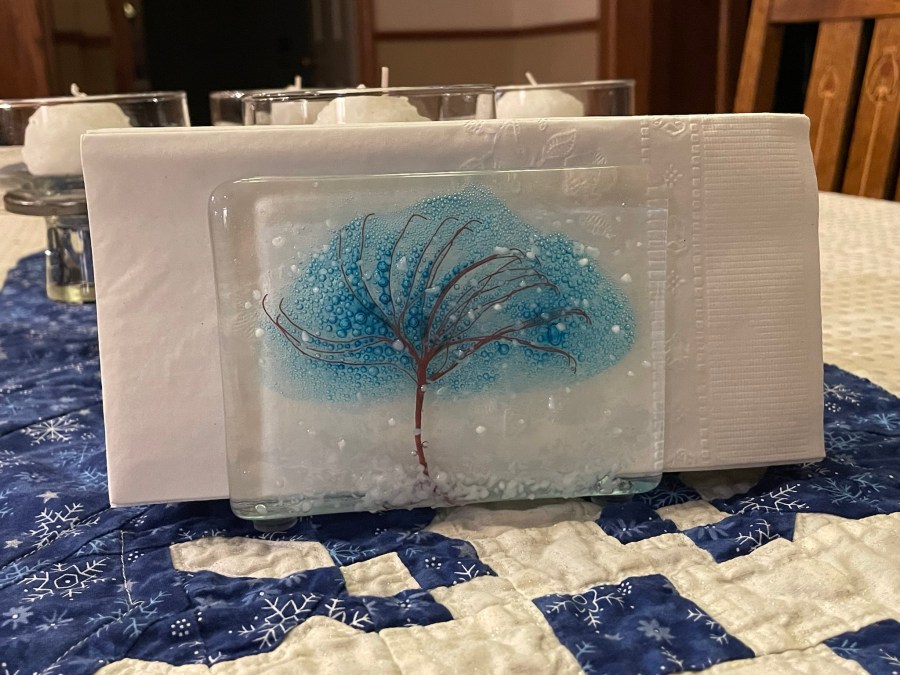
The copper made me think of winter. And, since I needed a napkin holder for the winter months, I had an idea.

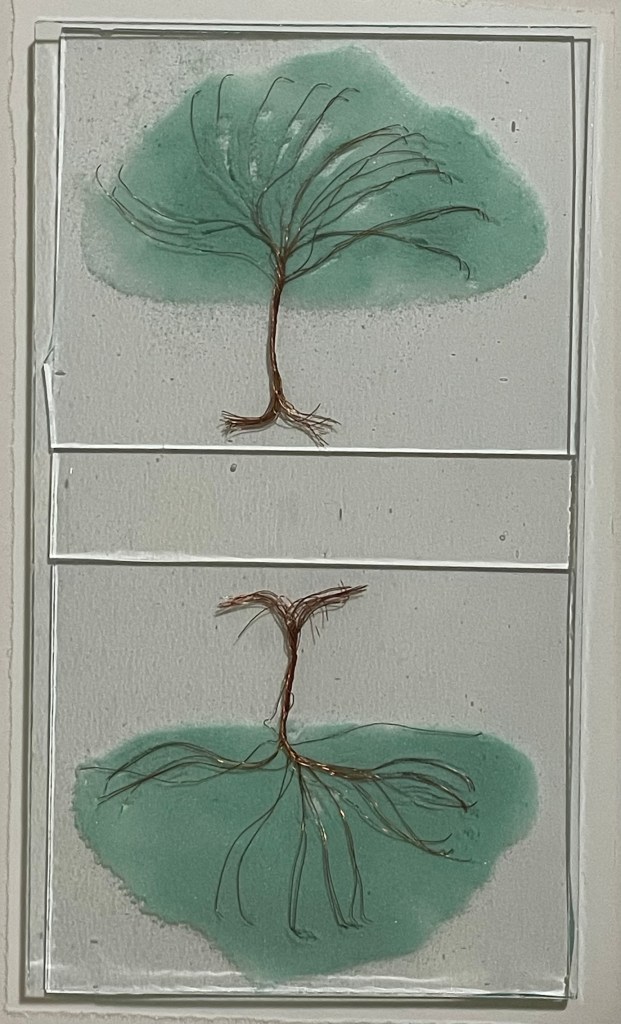
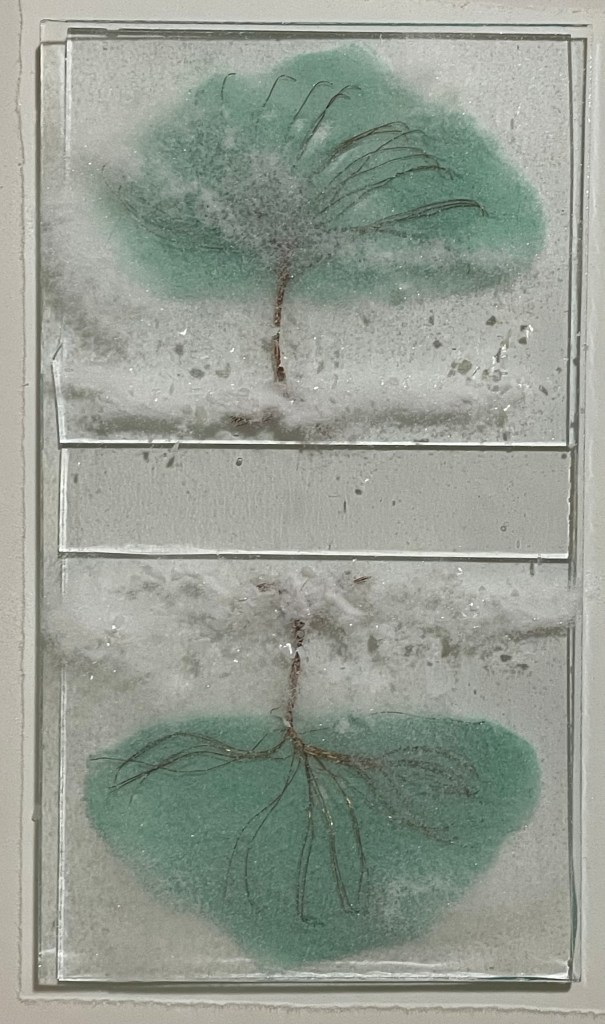
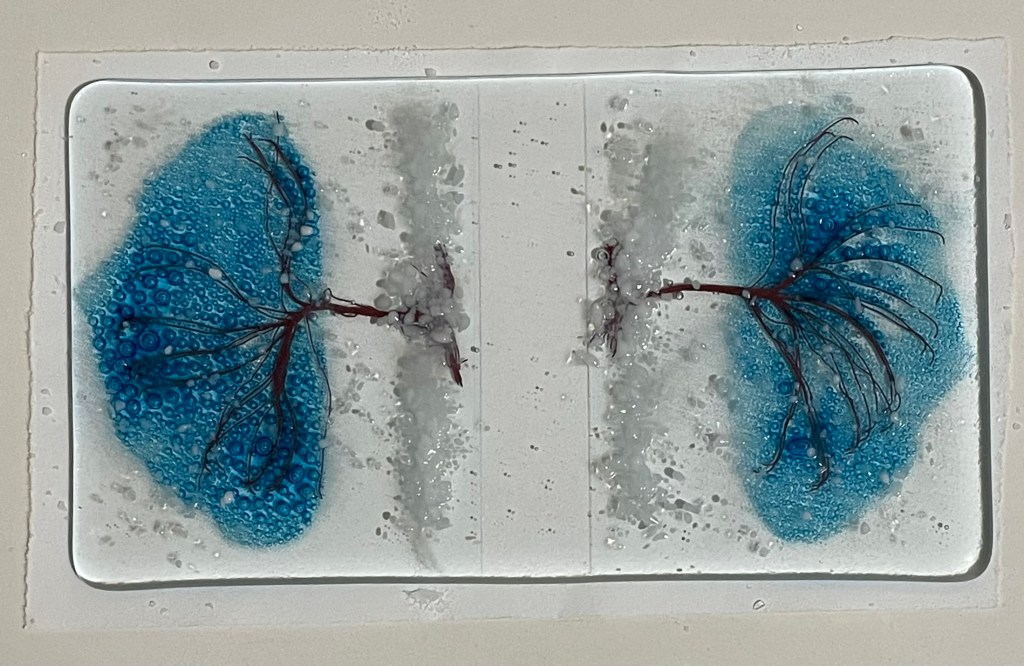
Using some scrap electrical wire, I cut a couple small pieces and spread the individual wires out to look like the trunk and branches of a tree. Copper is a heat stable metal that I have used in other projects. These copper pieces were placed on a piece of clear glass. Then, using a cardstock stencil, I sifted some calcium carbonate over the trees to create the image of the tree. After capping with a piece of clear glass, white opaque frit was sprinkled to create some “snow”.

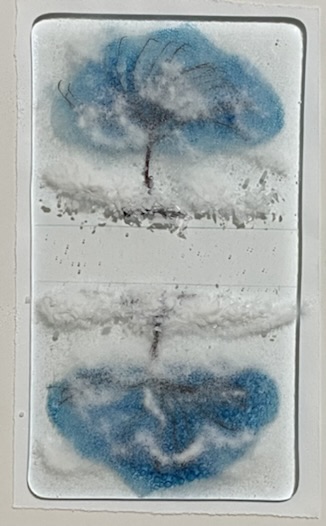
After fusing, the trees were great, but I decided to tack fuse some more white frit to make more snow.

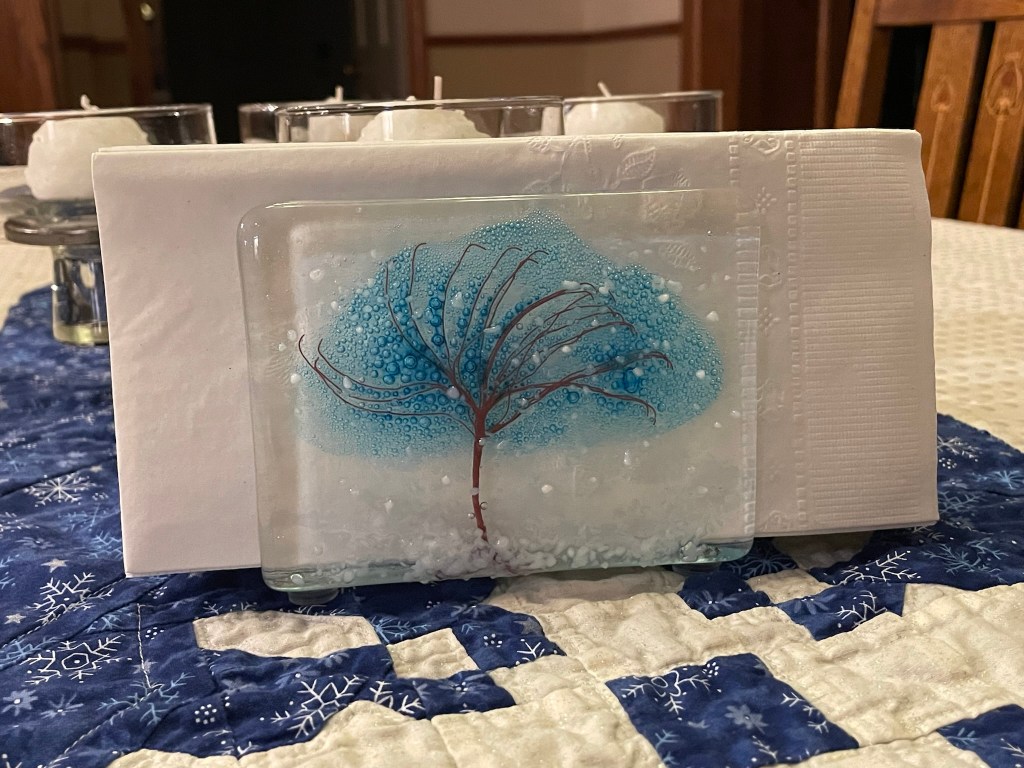
I was really happy with the resulting glass. After slumping over a mold, the napkin holder (seen above) was ready for use in my kitchen.

I am looking forward to some more “chemistry experiments” with my kiln.

A White Winter – Sand is better than Snow

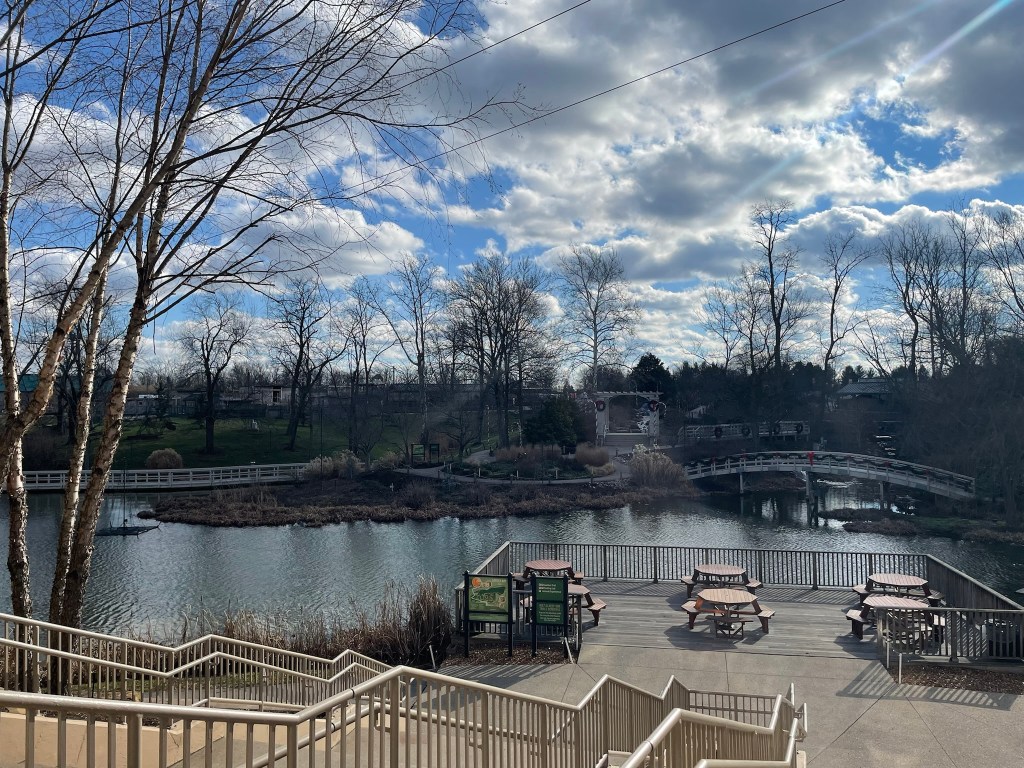
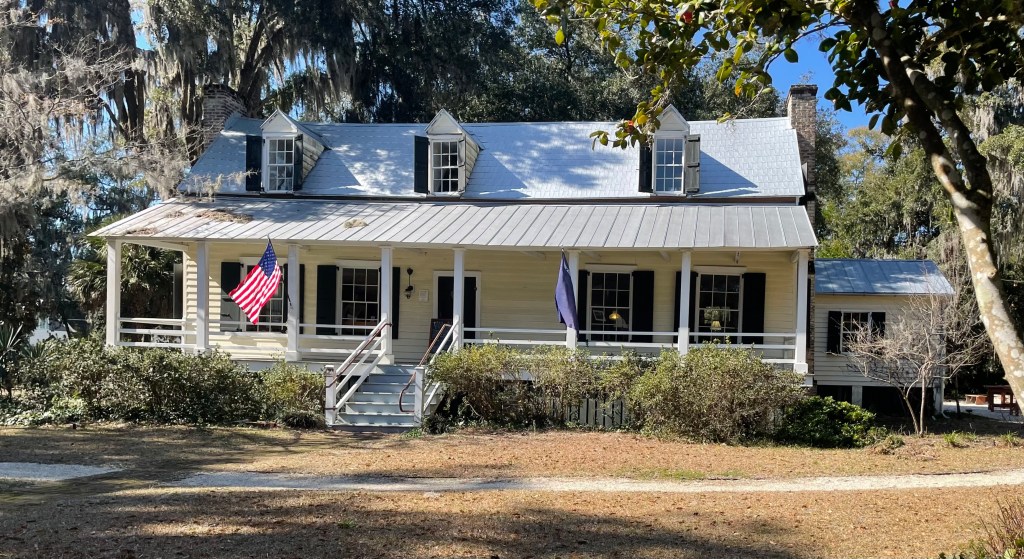
Being retired, I decided to leave the snow behind and took a road trip to South Carolina. On the way there, I visited with family and did some sight seeing.

Warning – this is a photo intensive post!
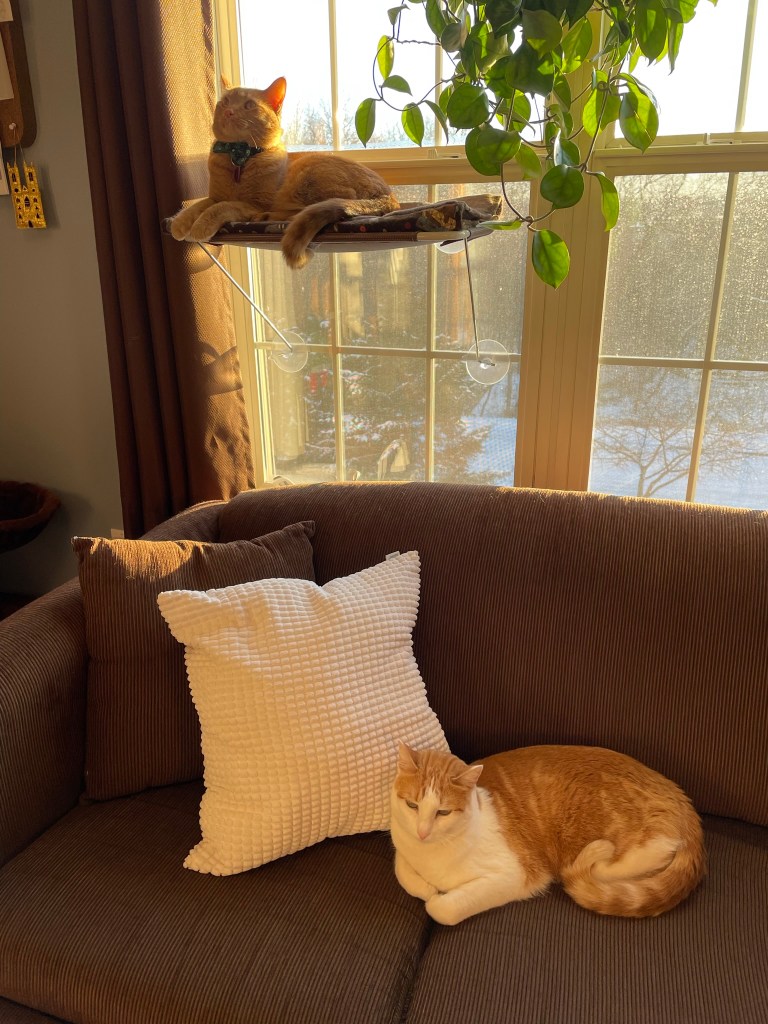
Madison, WI – a visit with my son, his girlfriend and their cats.

Cappuccino and Tater Tot

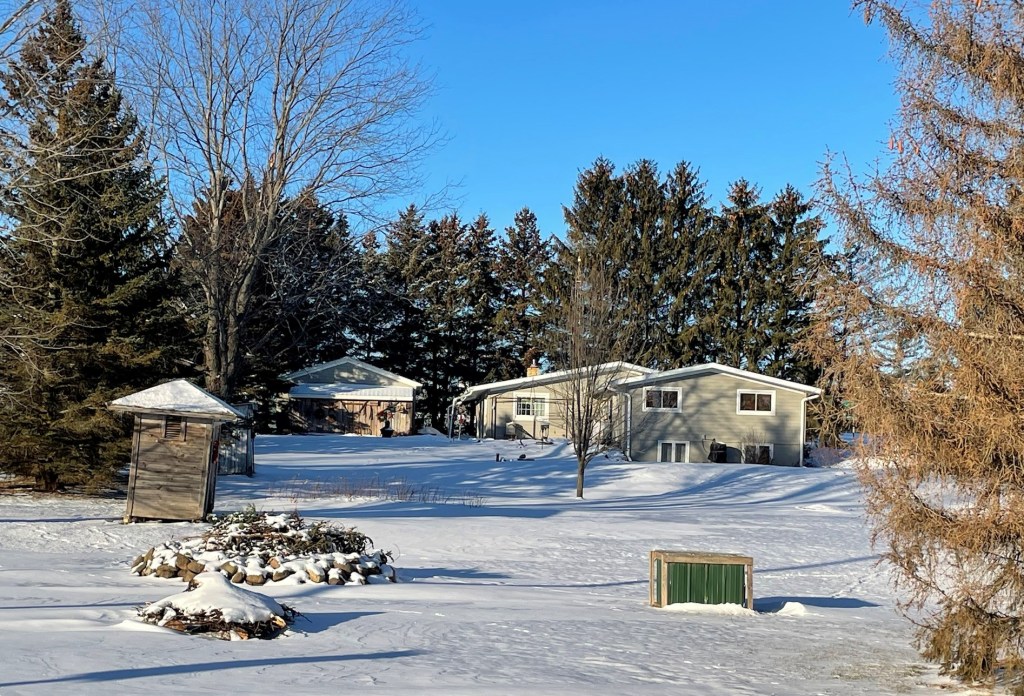
Watertown, WI – on the way to my next stop, I visited the town I grew up in. I have not been back there in about 40 years.

Mequon, WI – a visit with my mother-in-law.

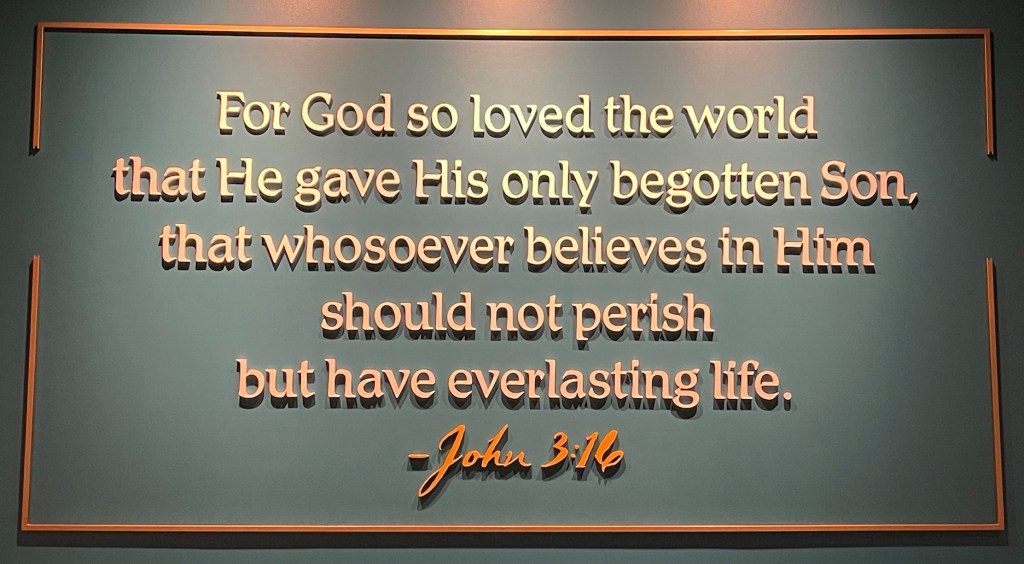
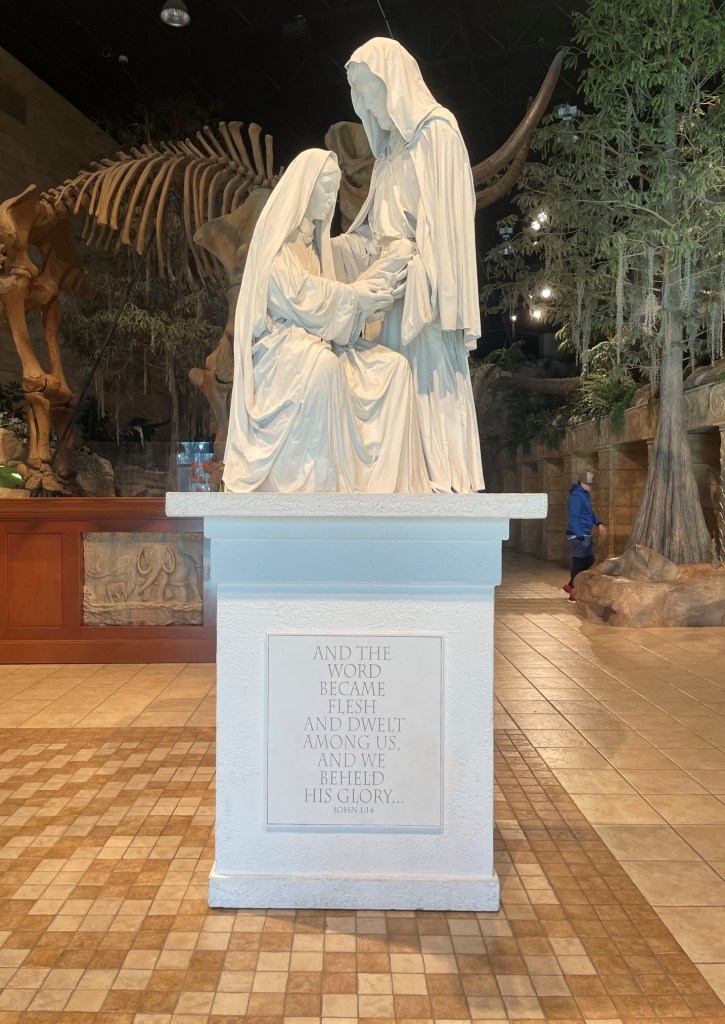
Creation Museum – very informative descriptions of how science supports creation.

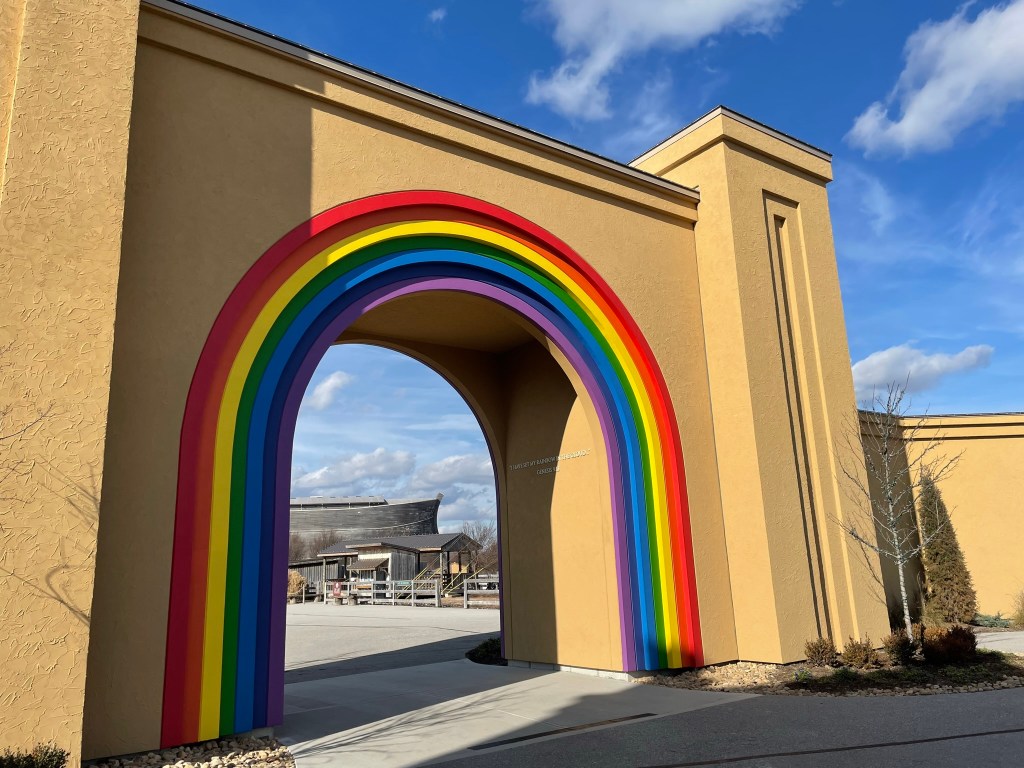
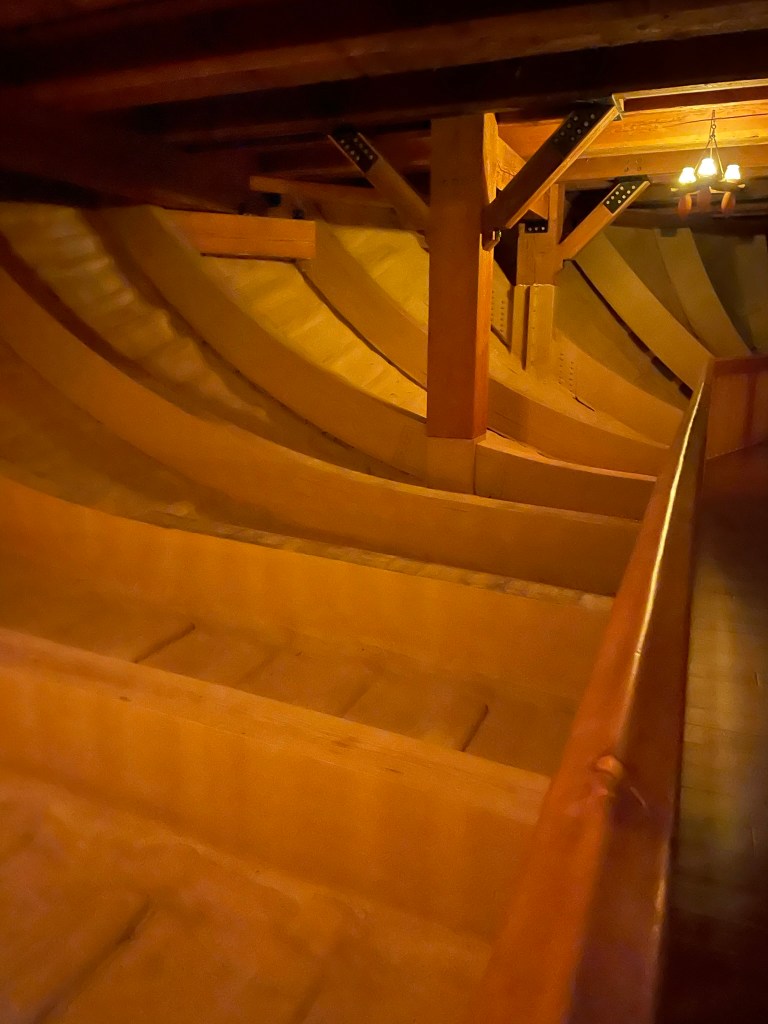
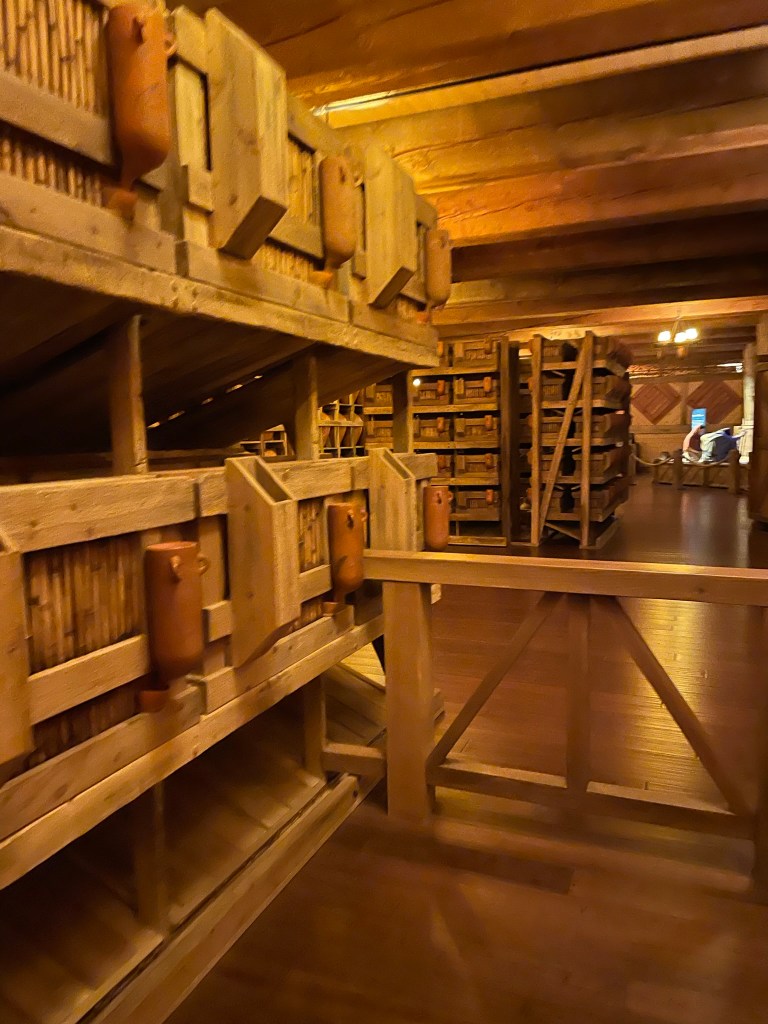
Ark Encounter – truly amazing!
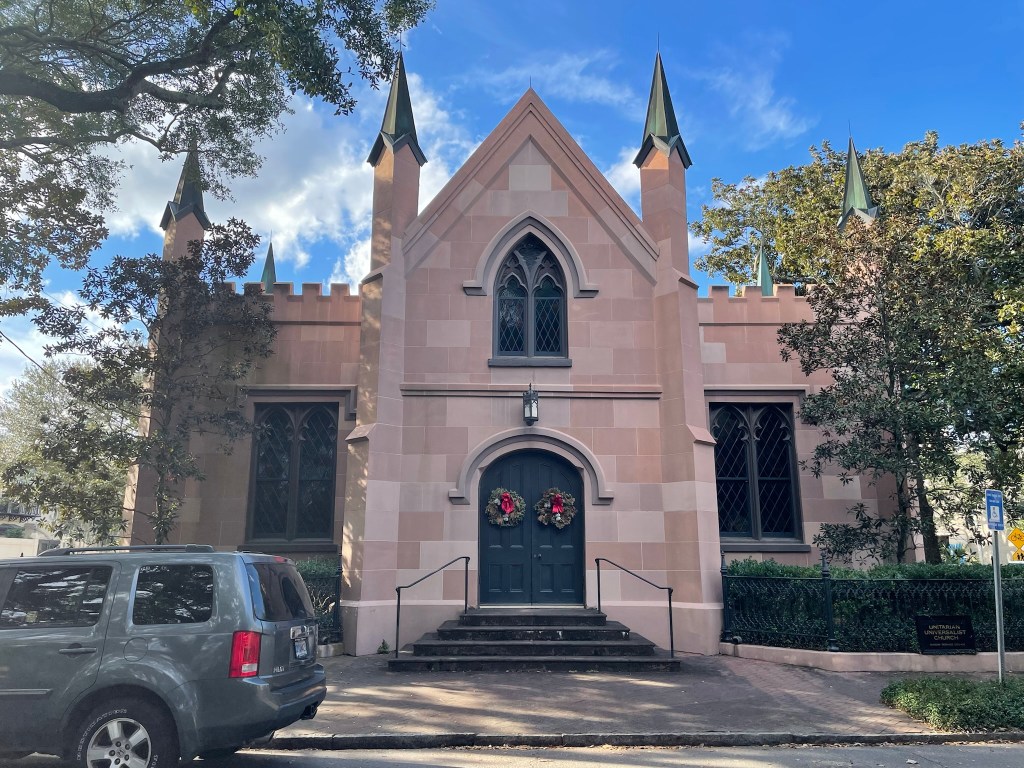
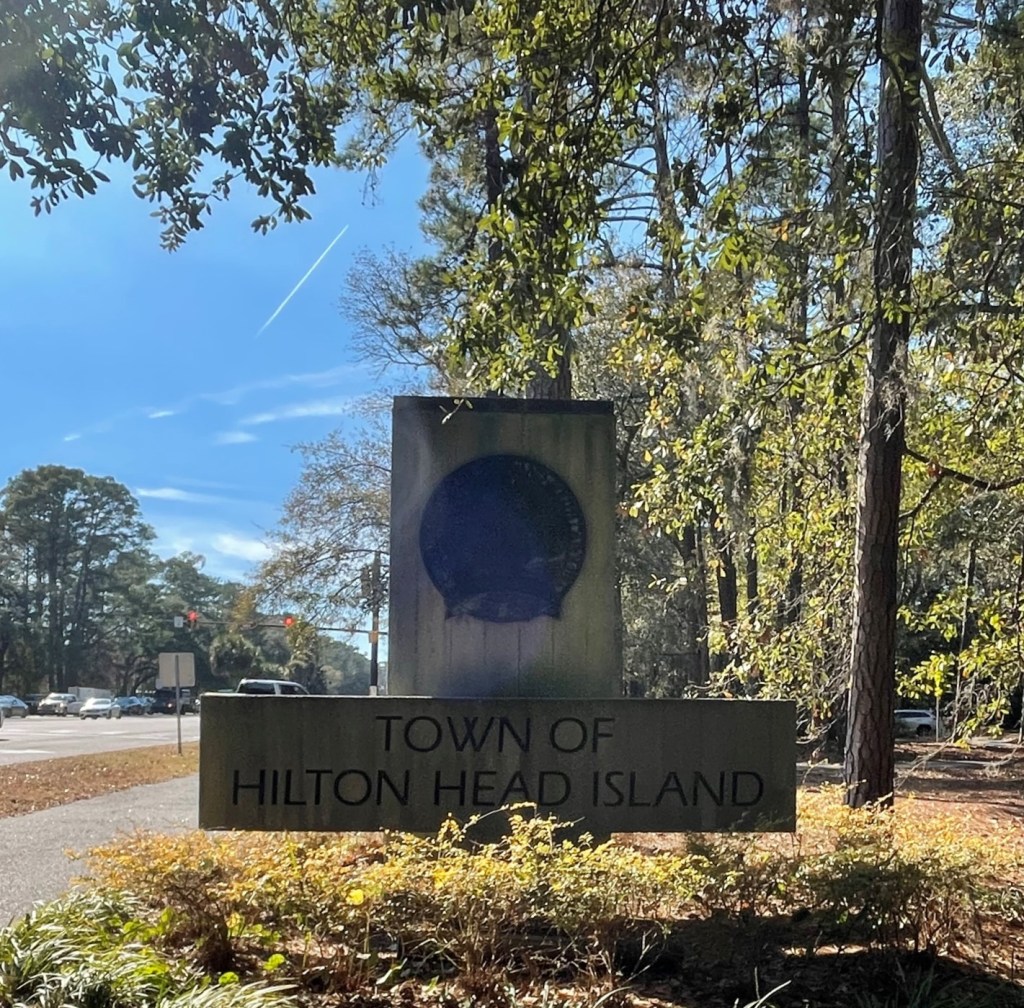
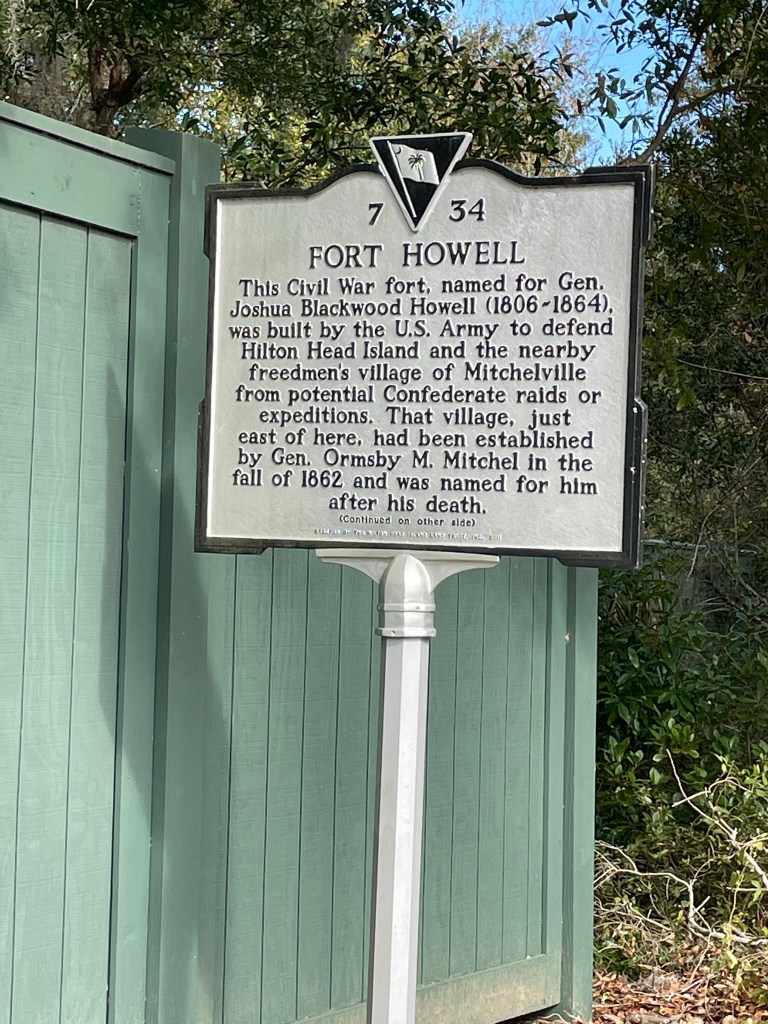
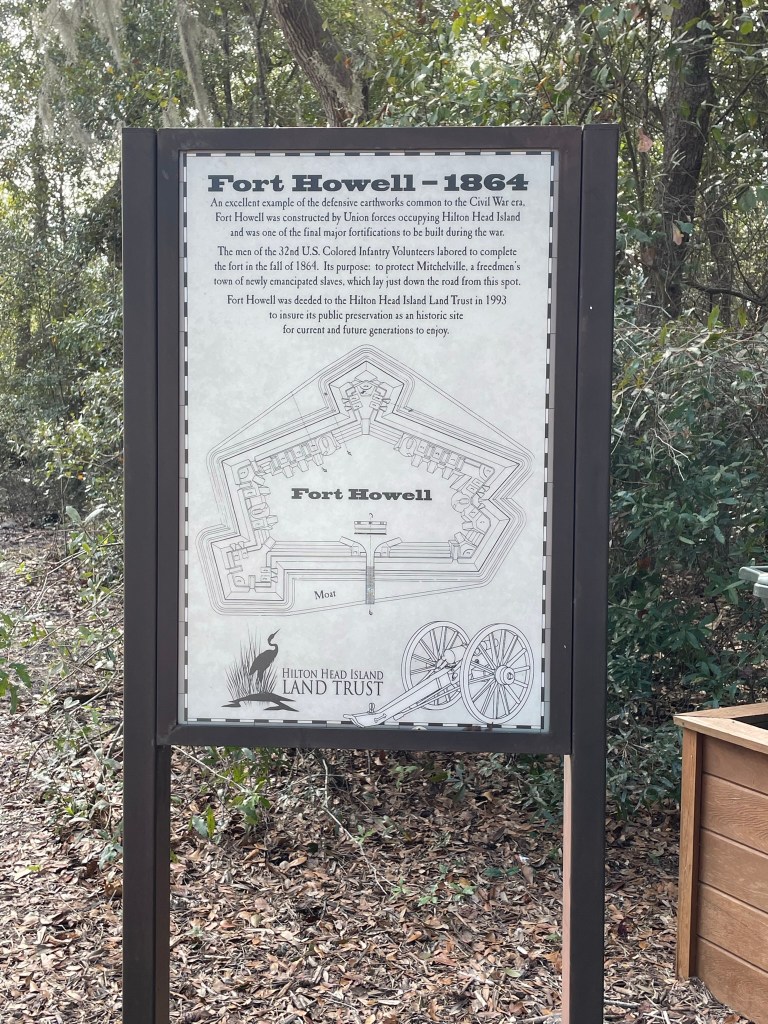
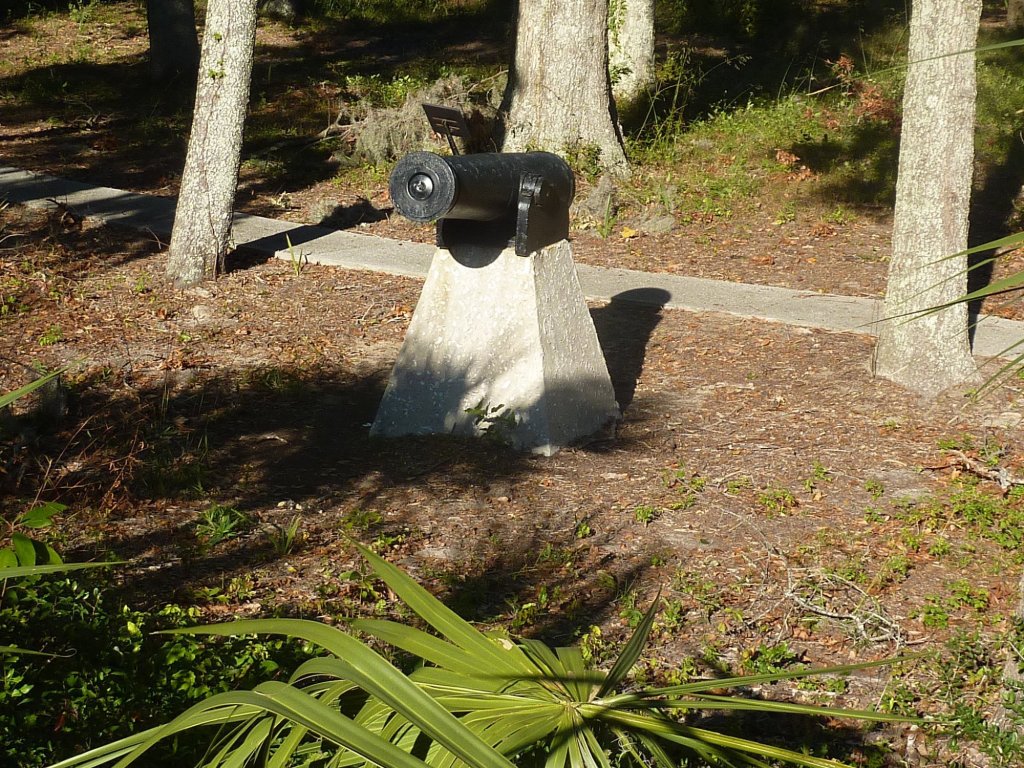
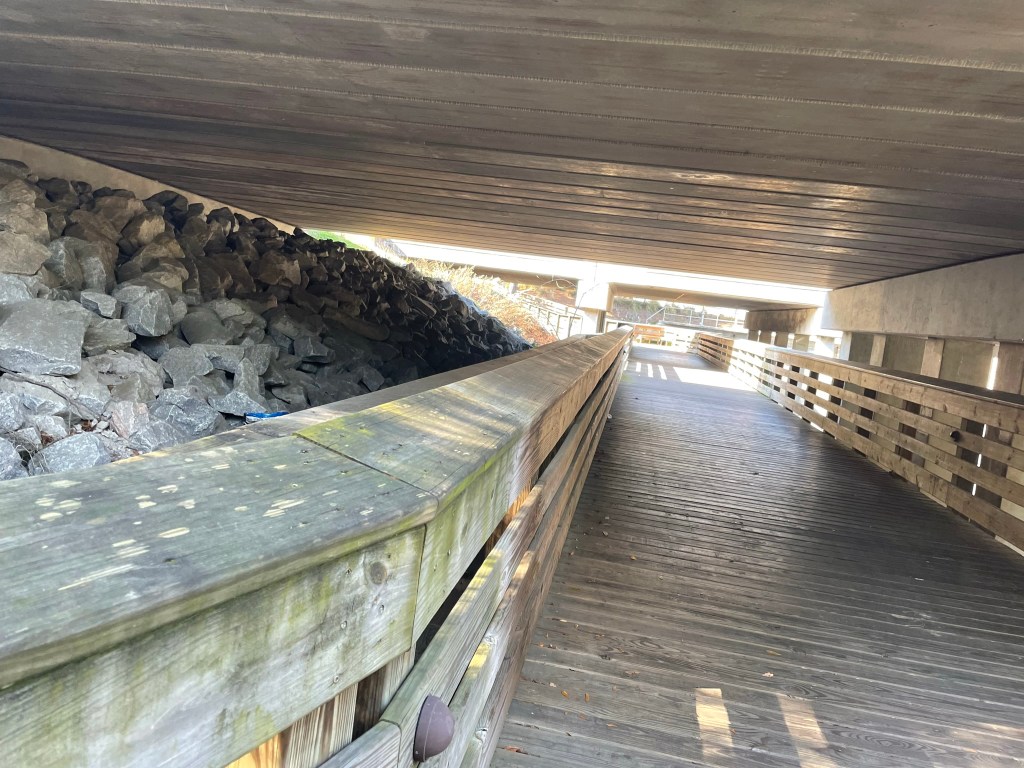
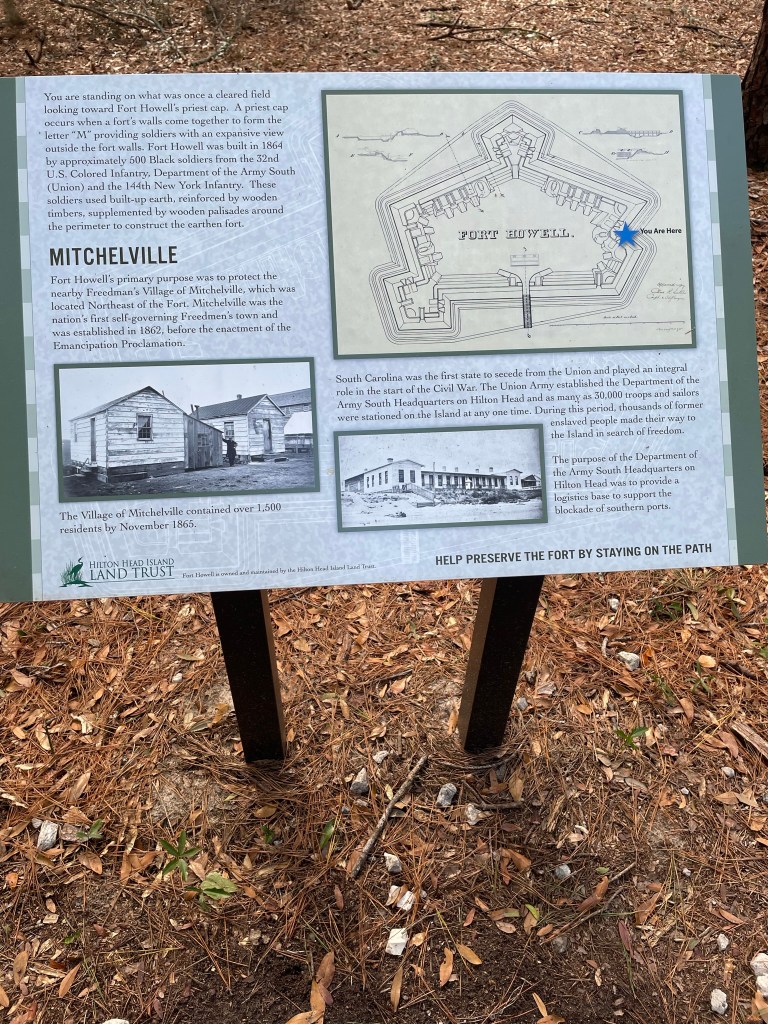
Hilton Head Island, SC – a bike friendly place to visit.

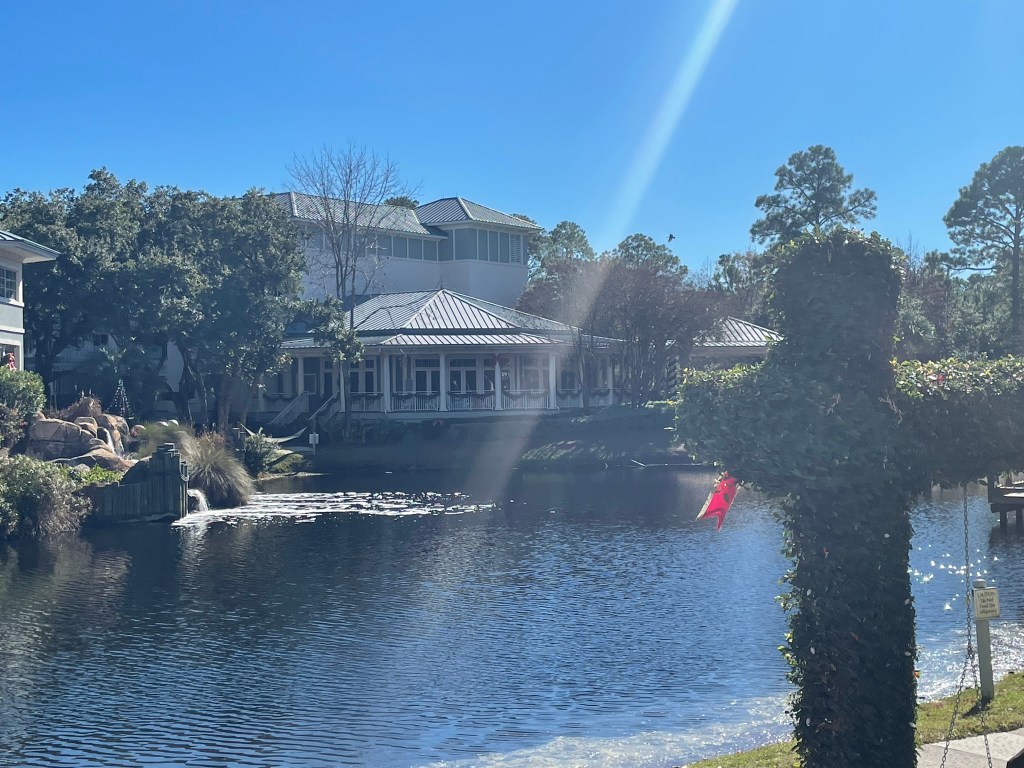
Marriott SurfWatch – my home away from home for four weeks.

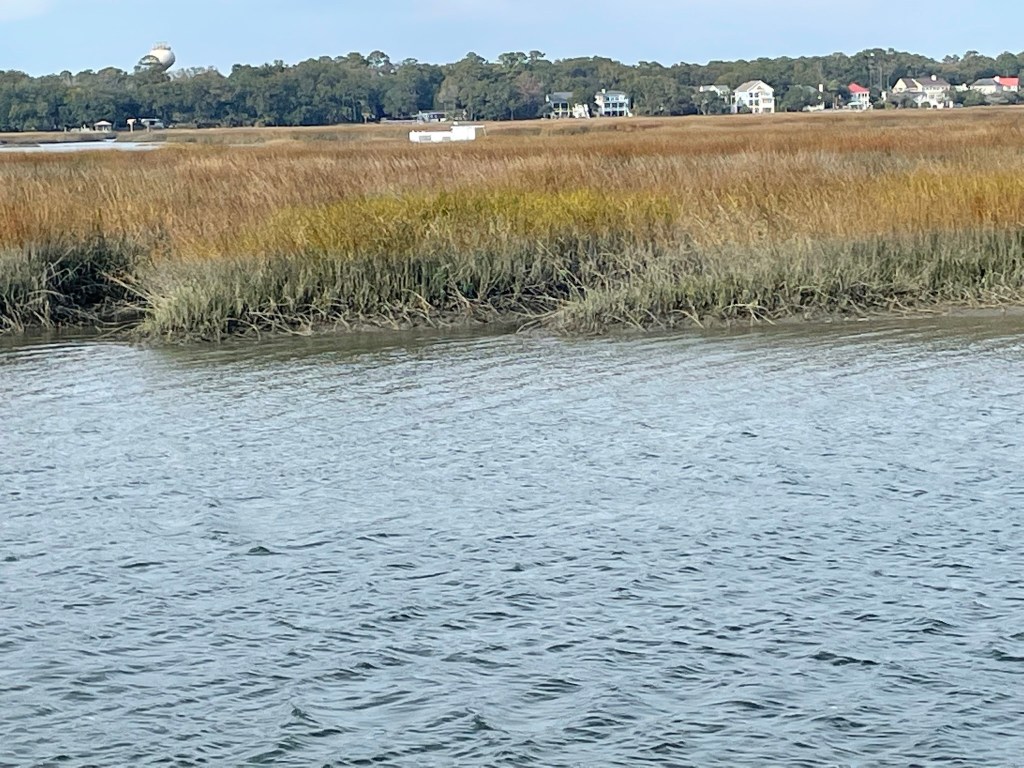
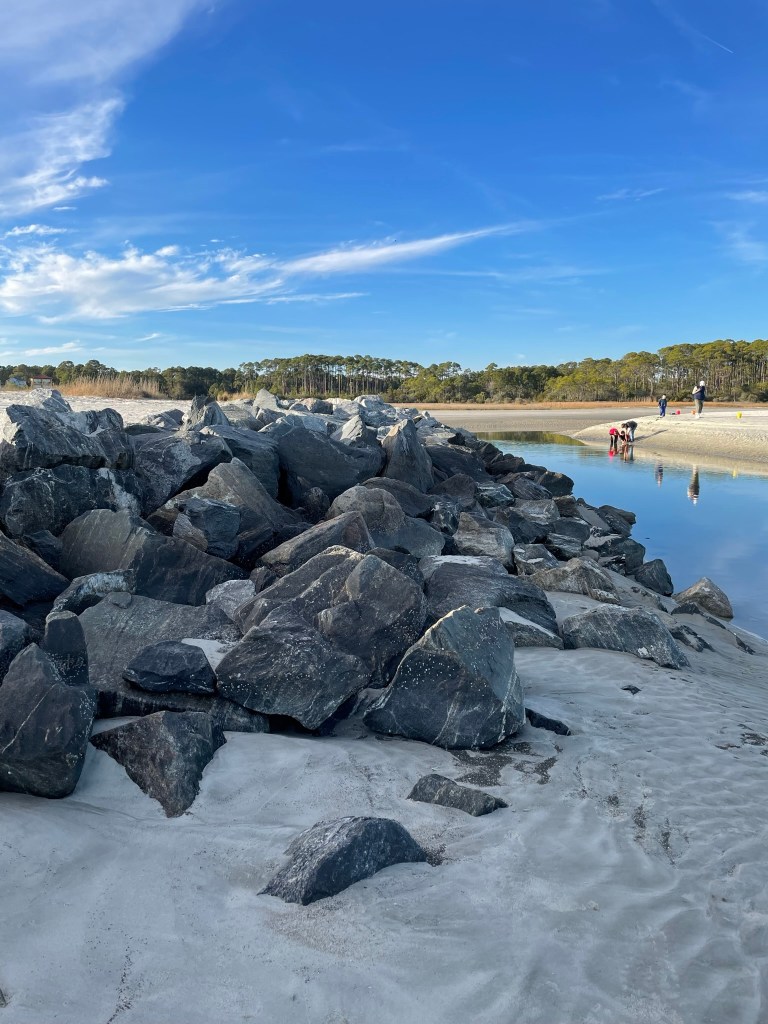
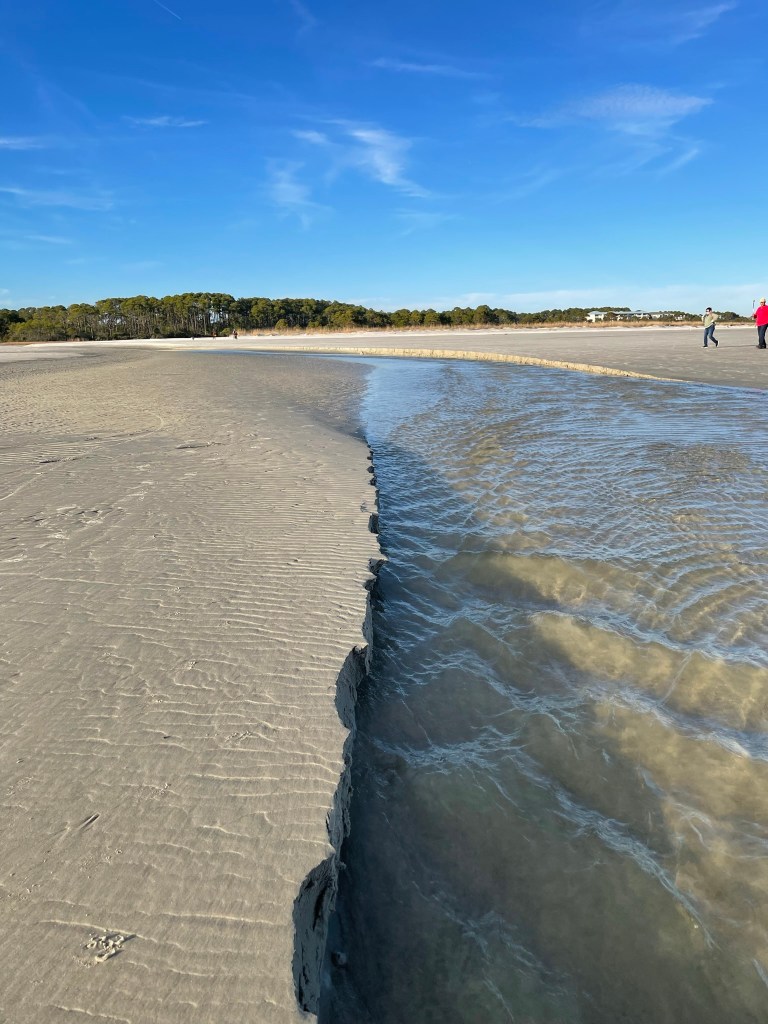
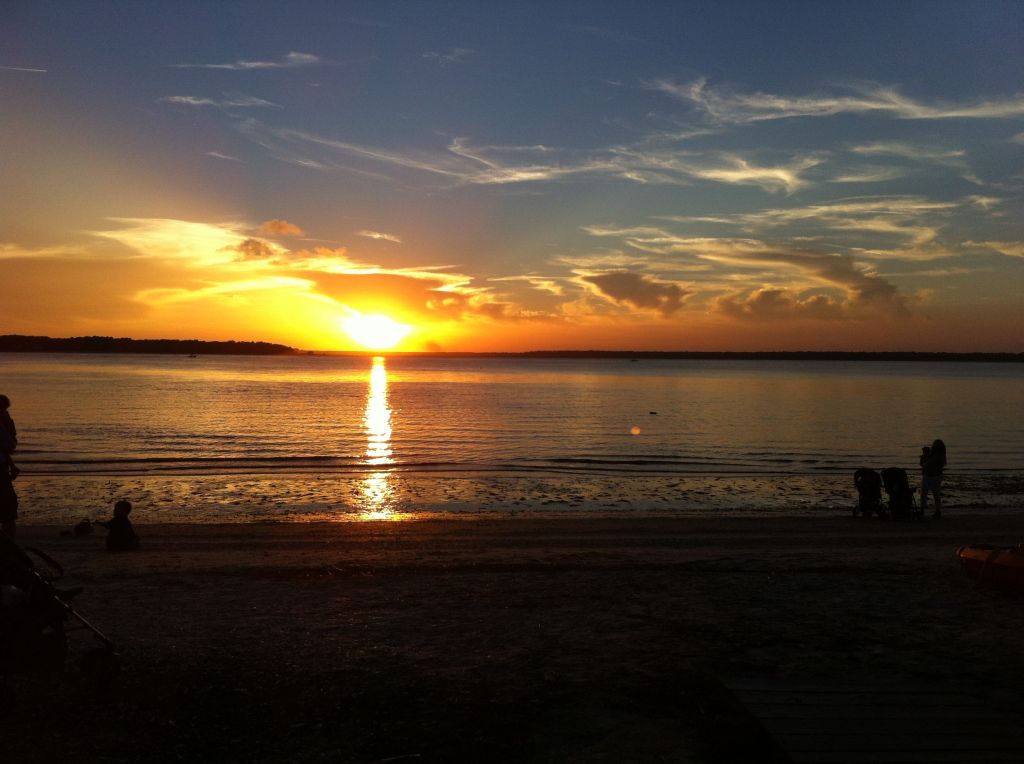
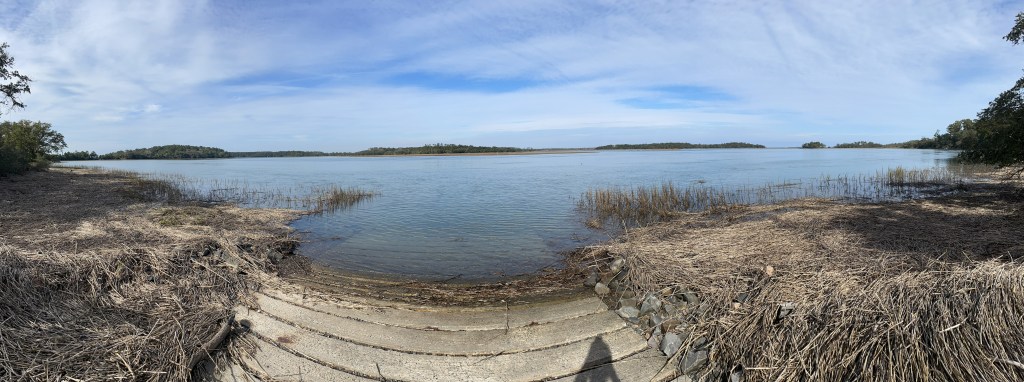
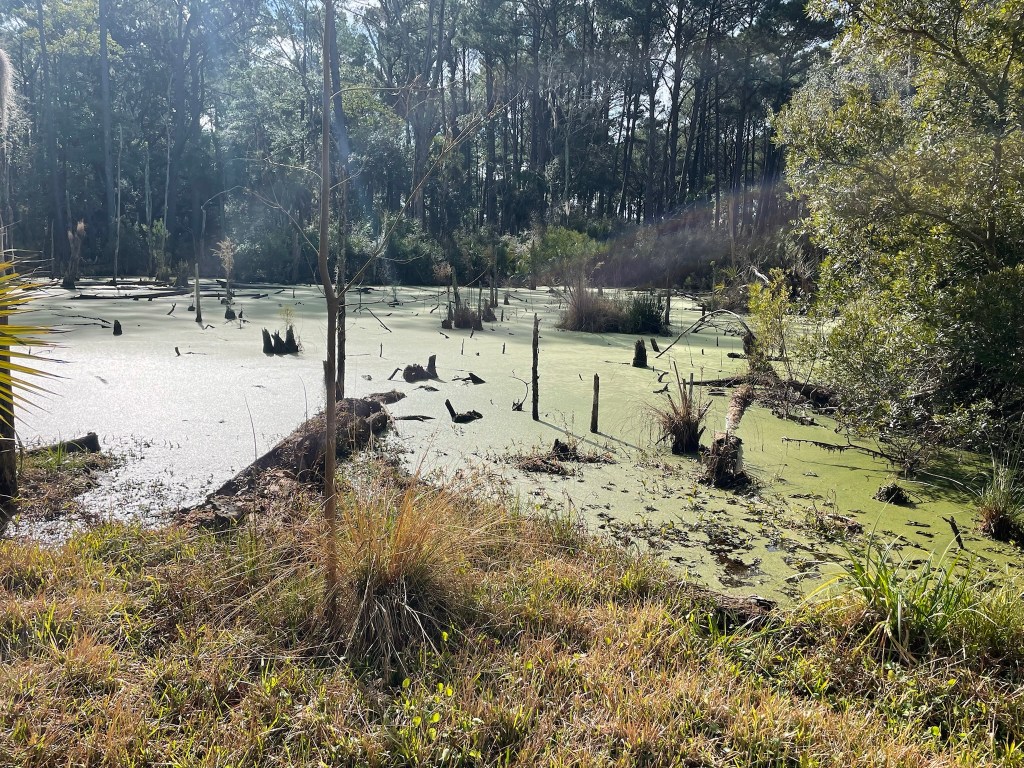
Tidal Creek – between the villas and the beach.

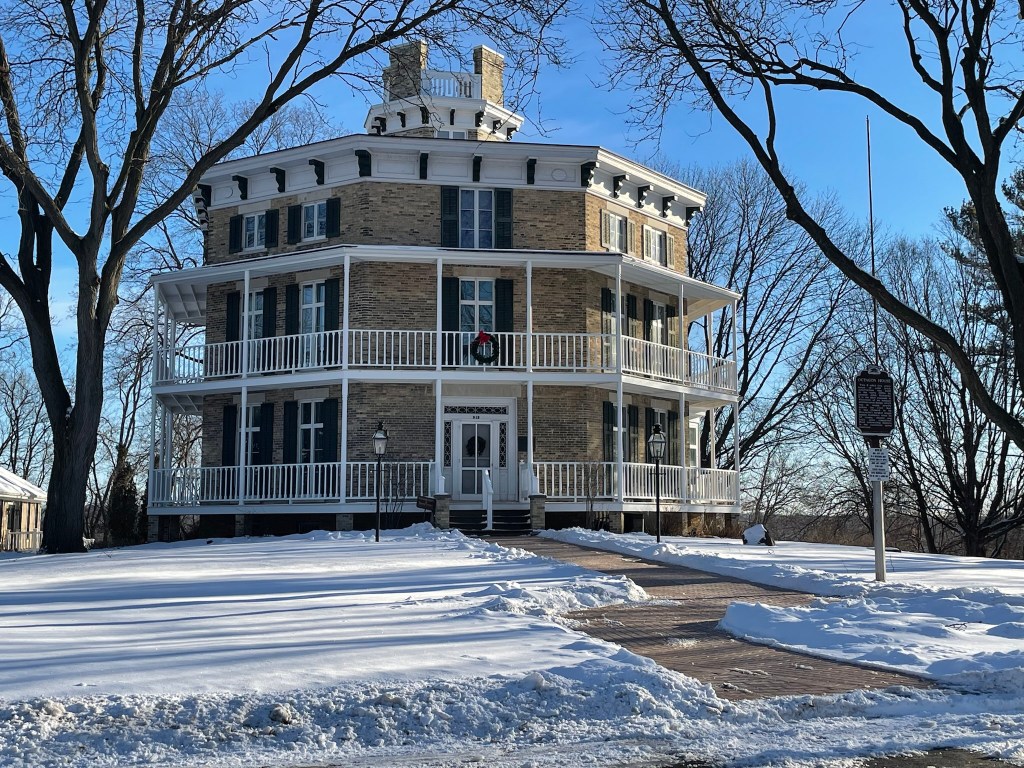
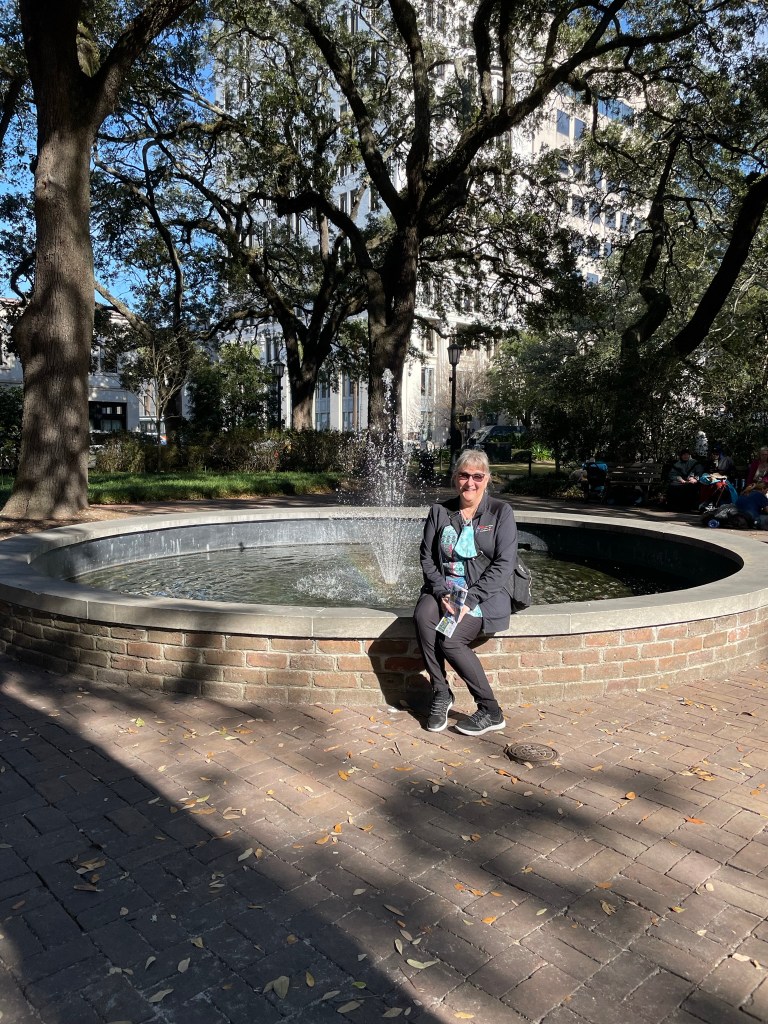
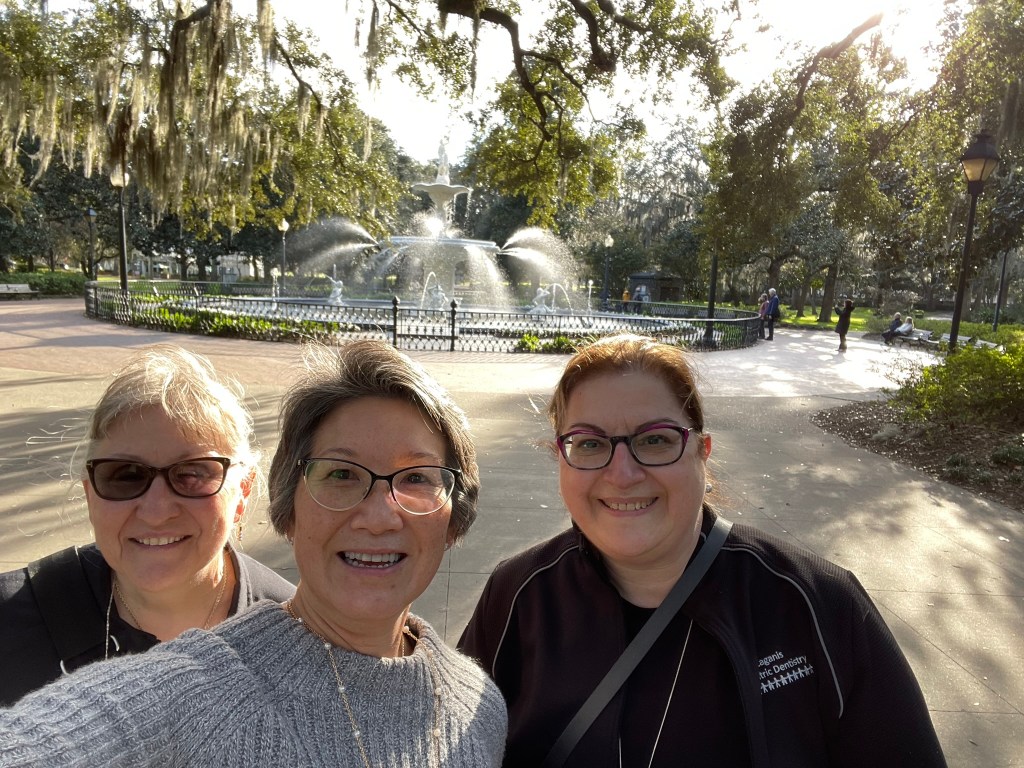
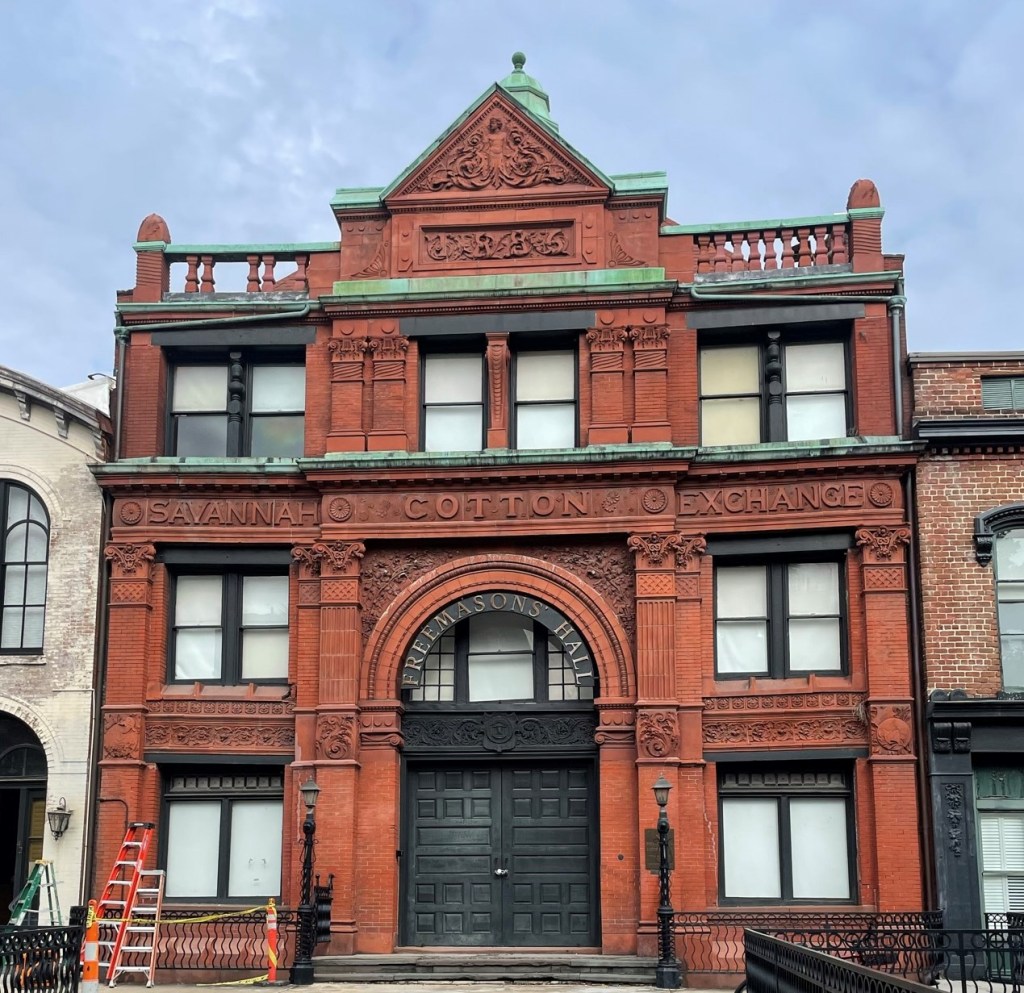
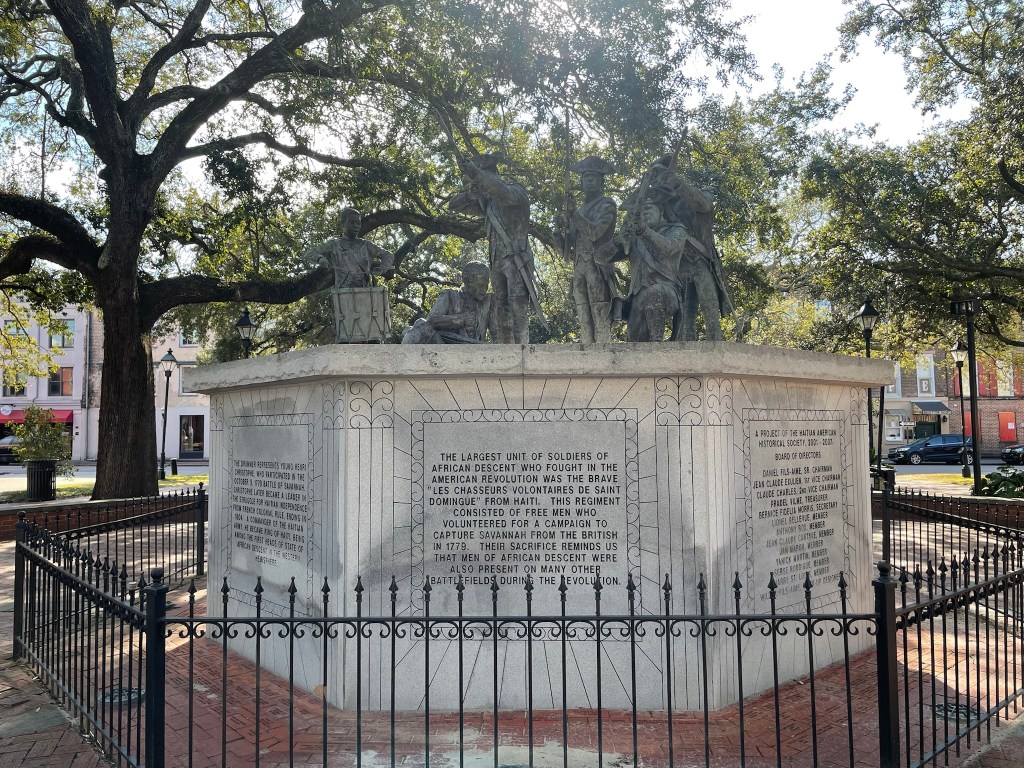
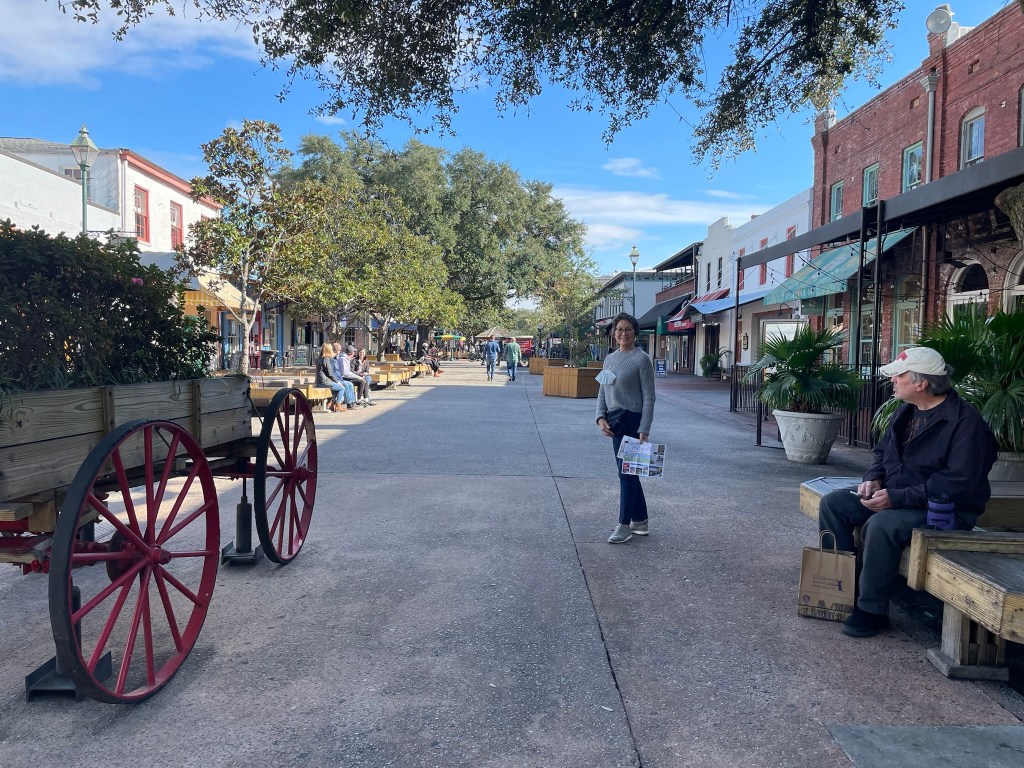
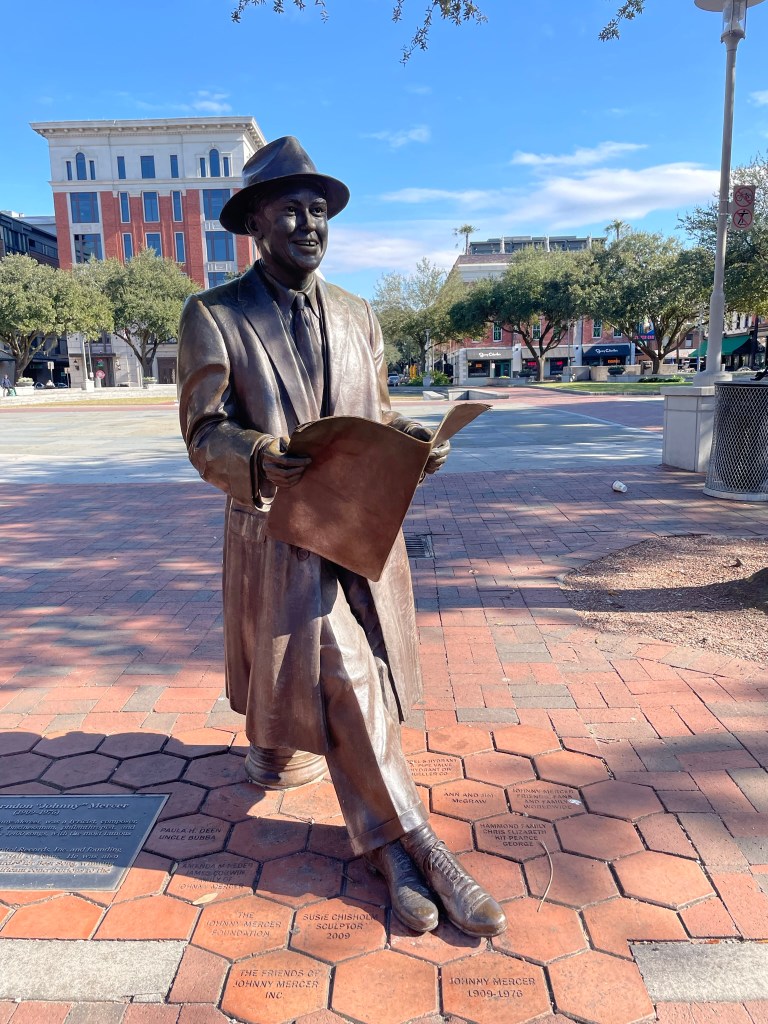
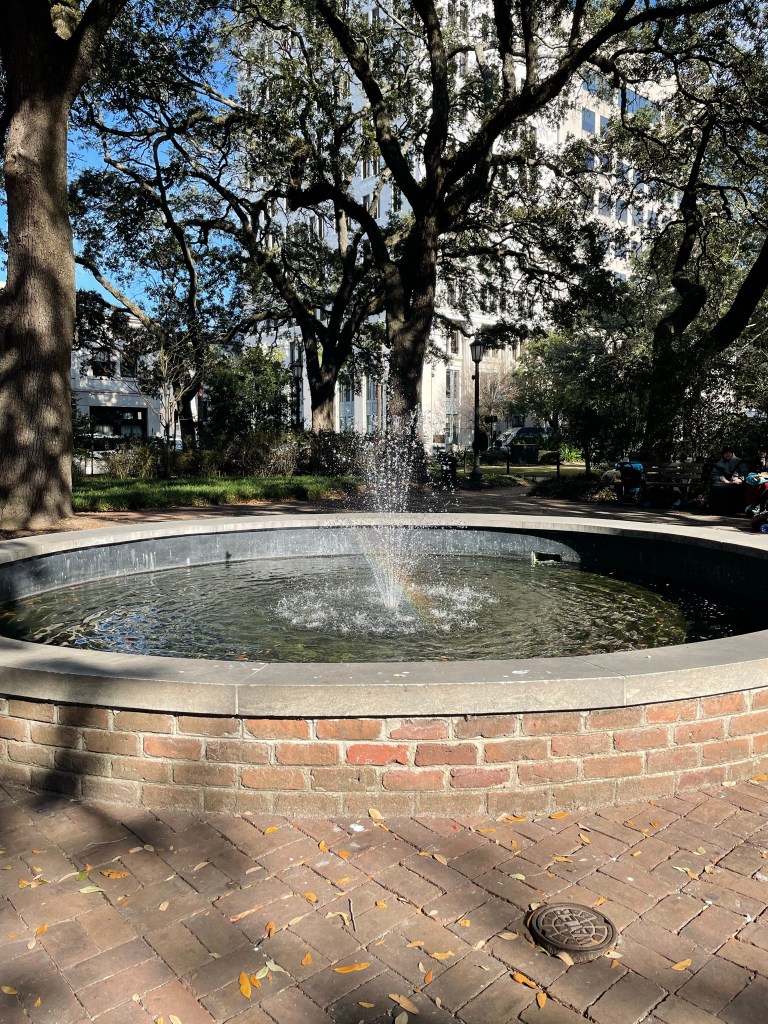
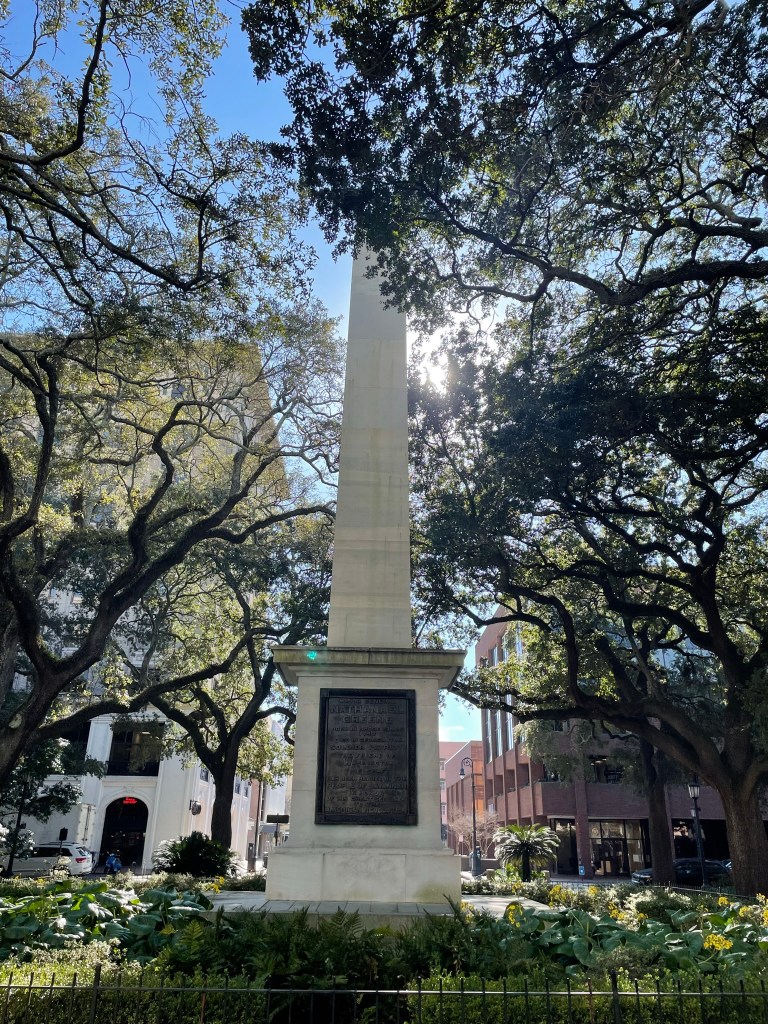
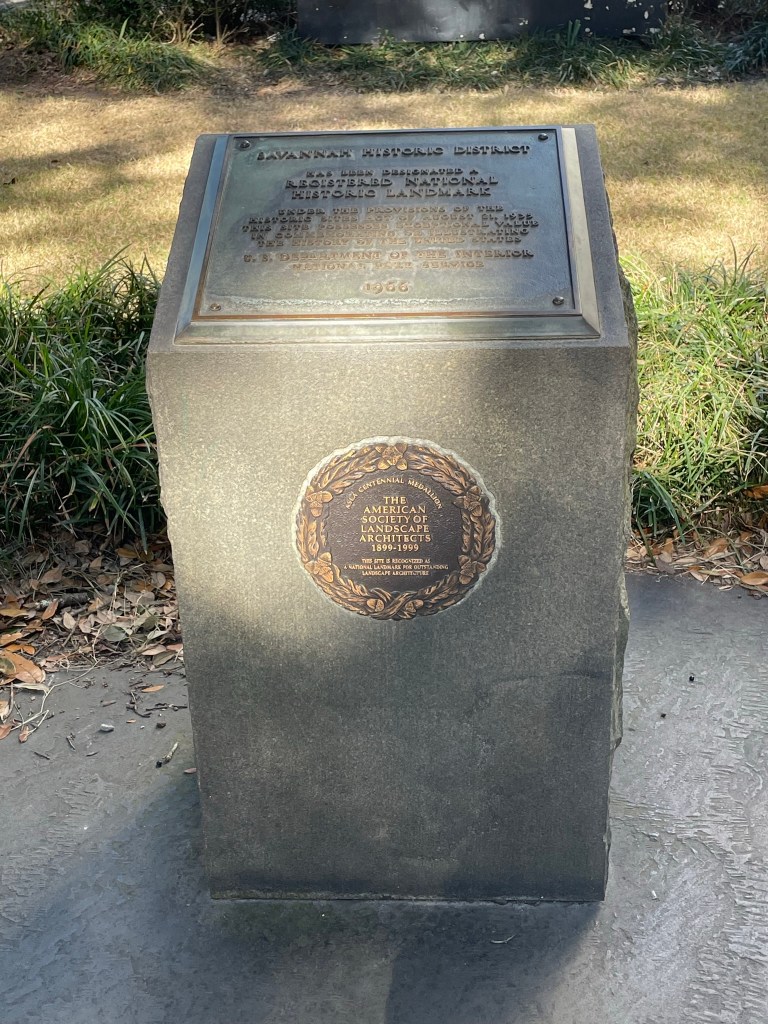
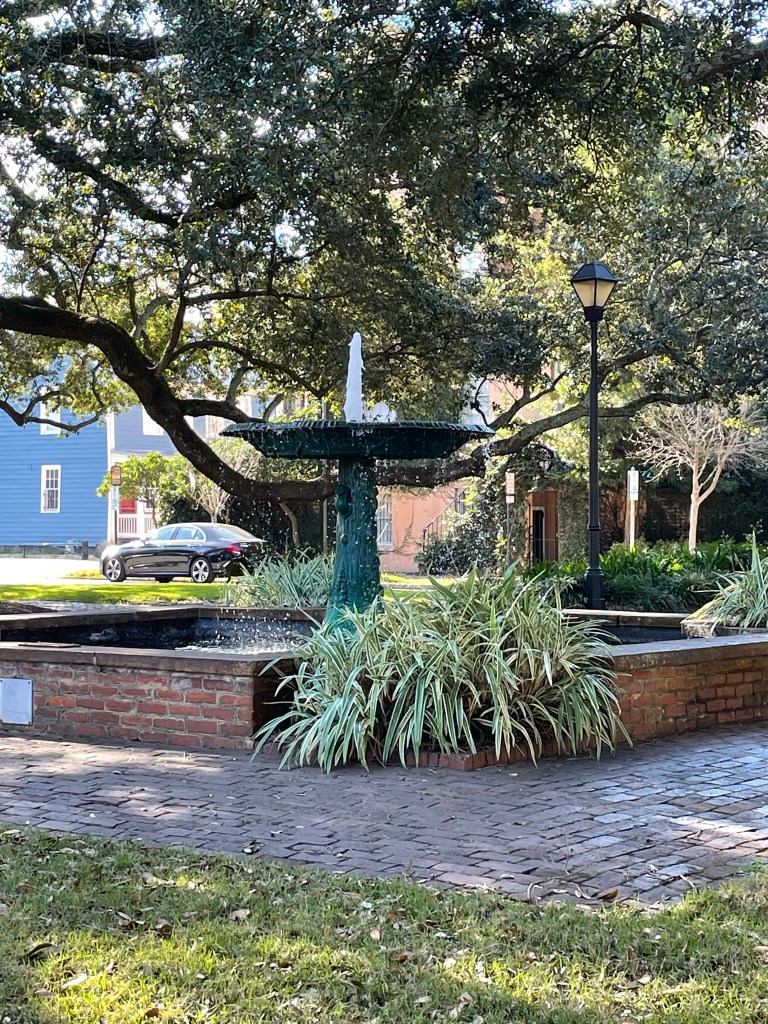
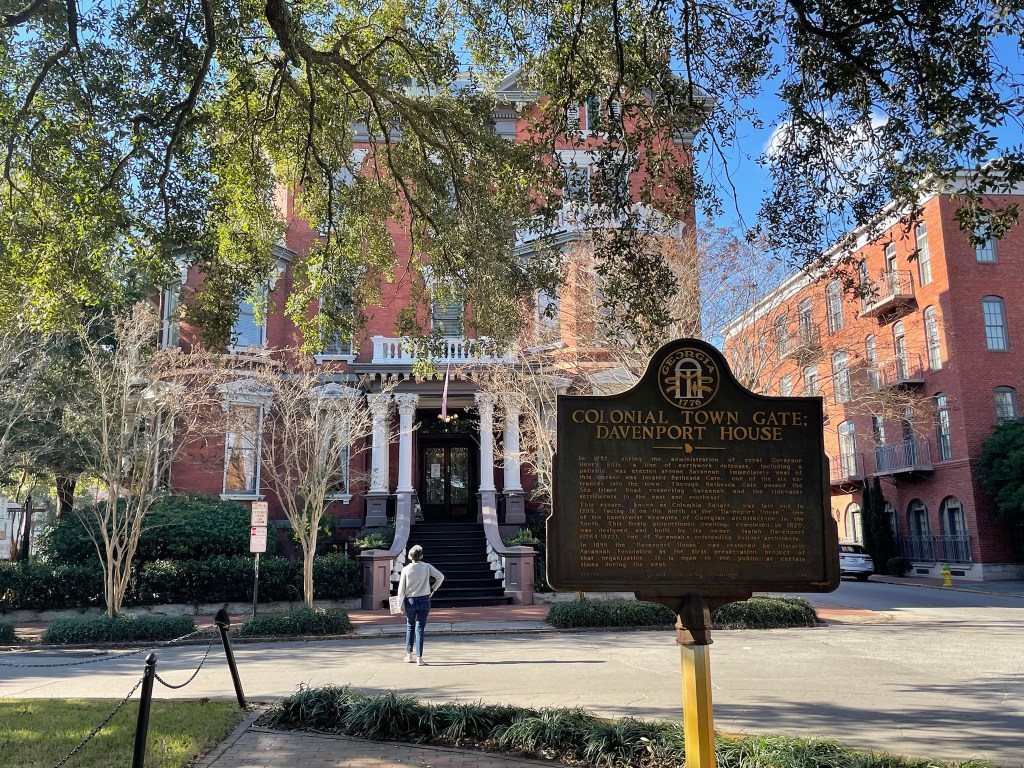
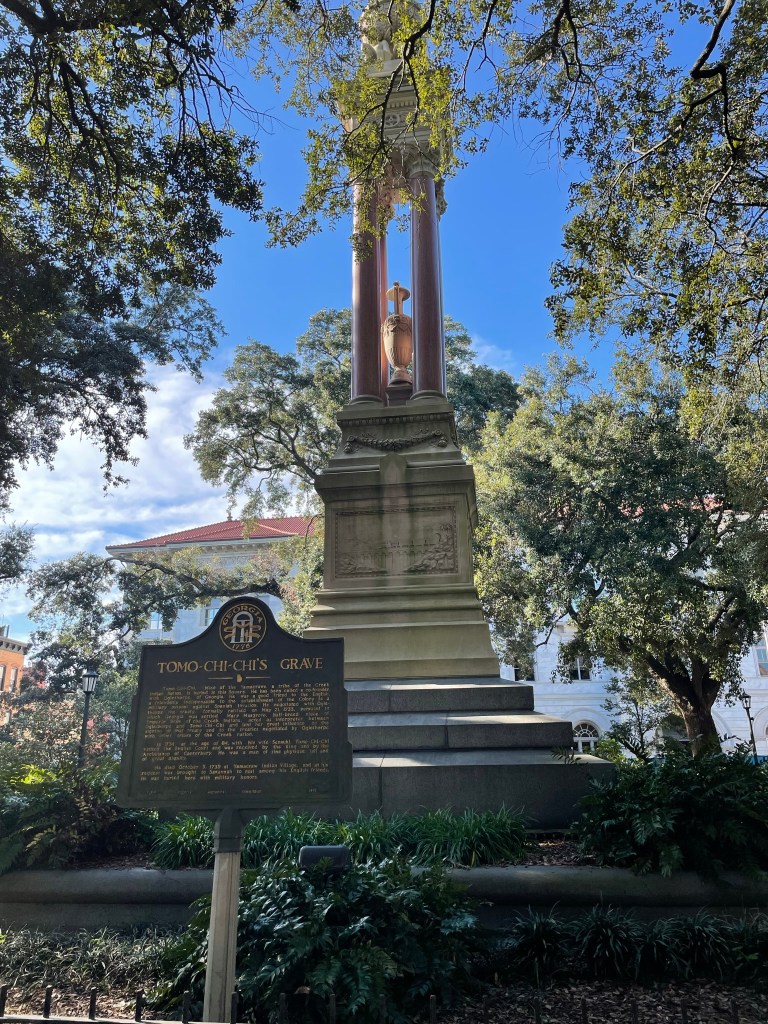
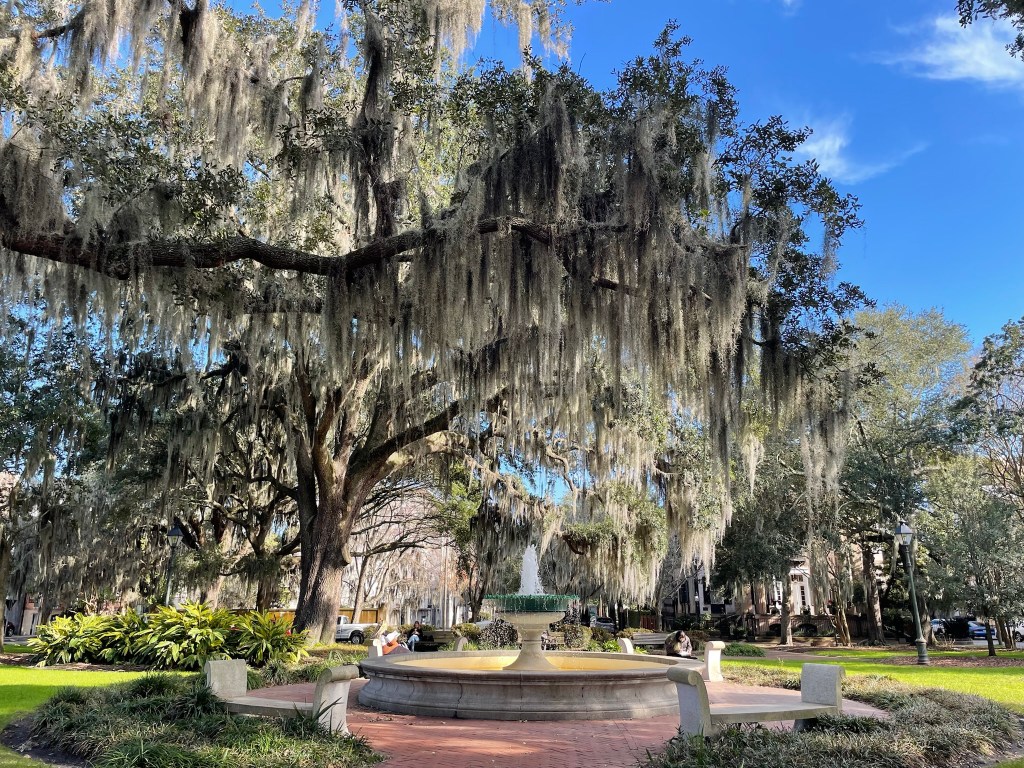
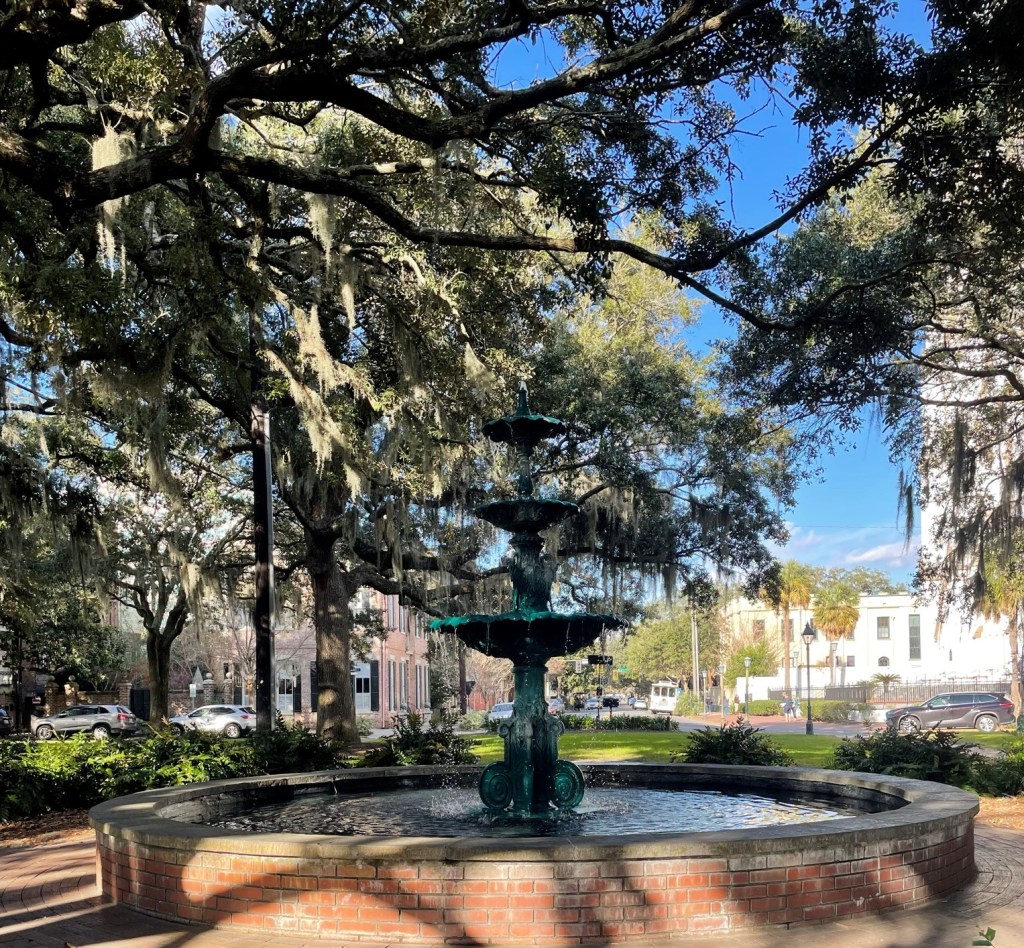
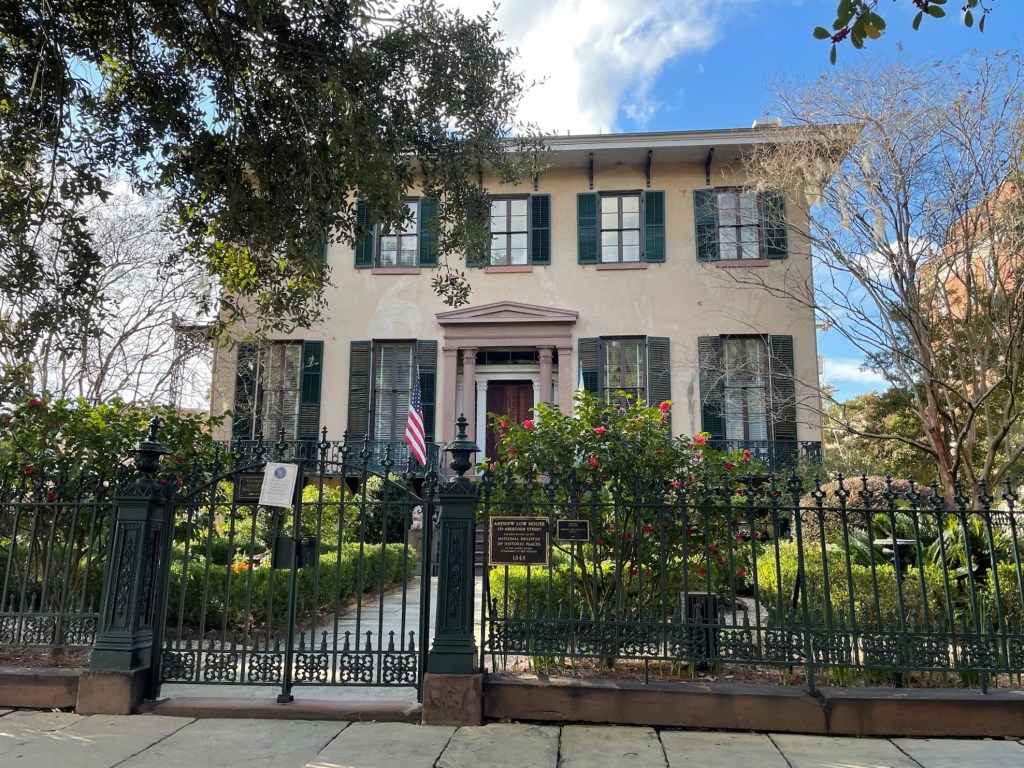
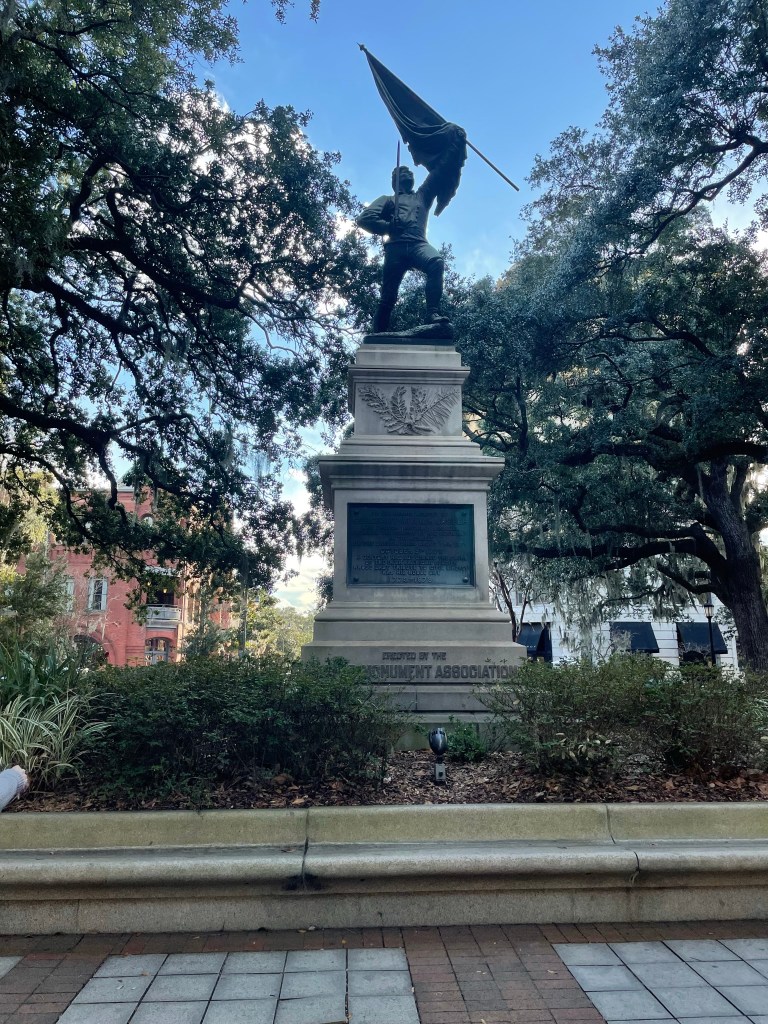
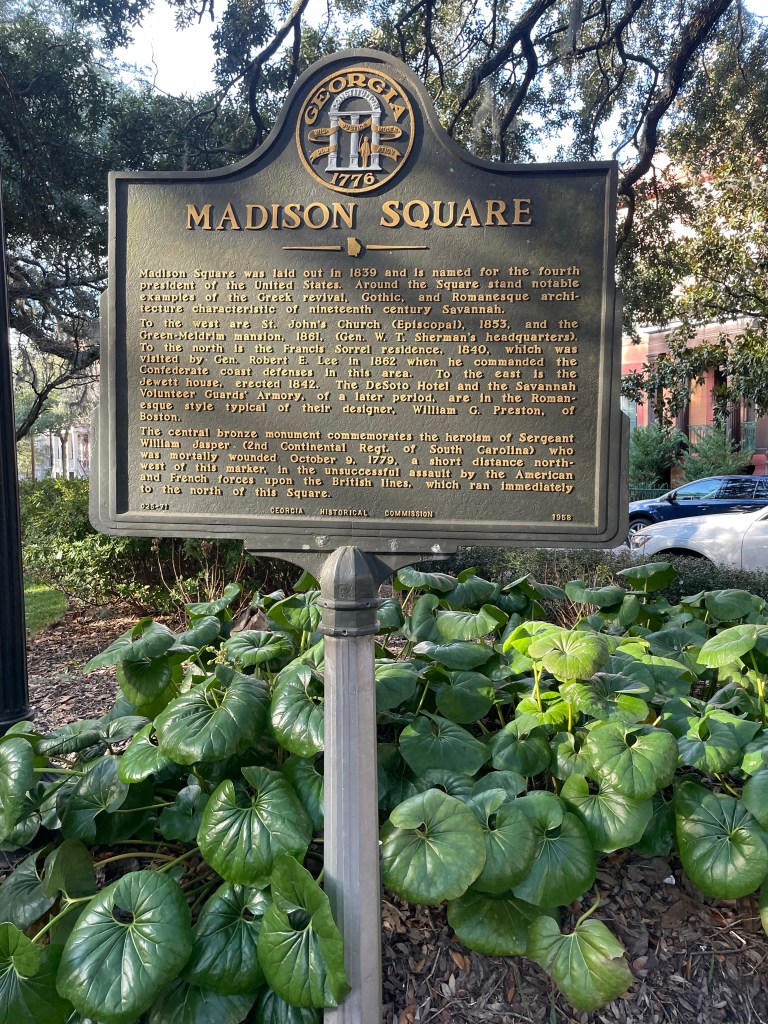
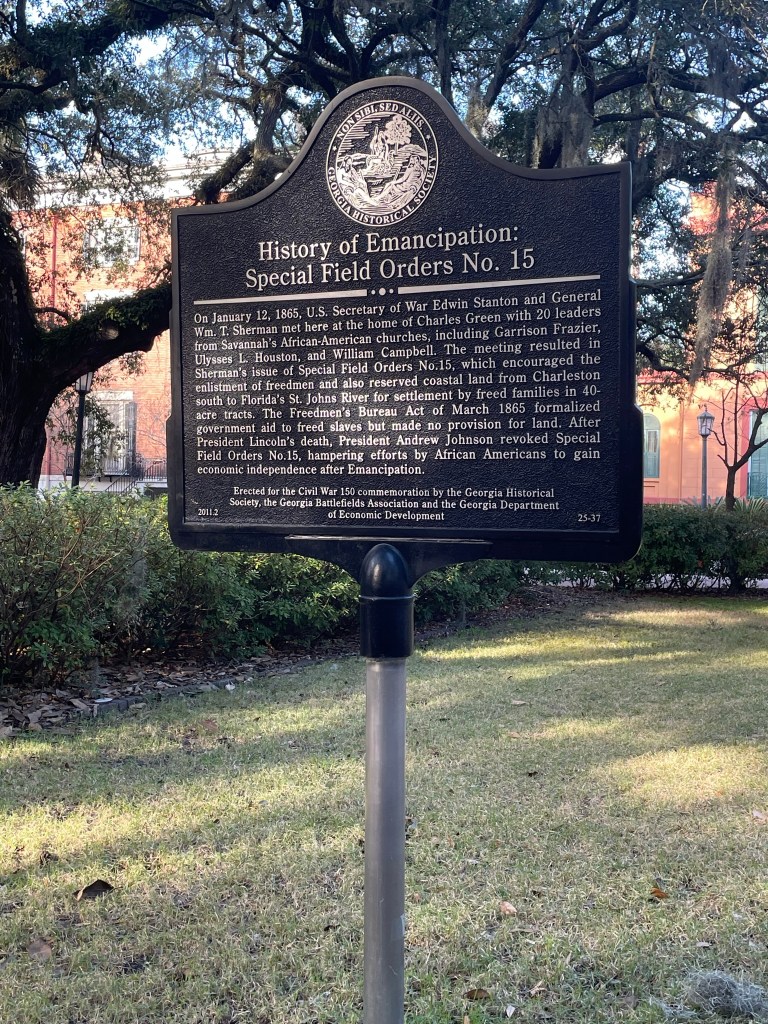
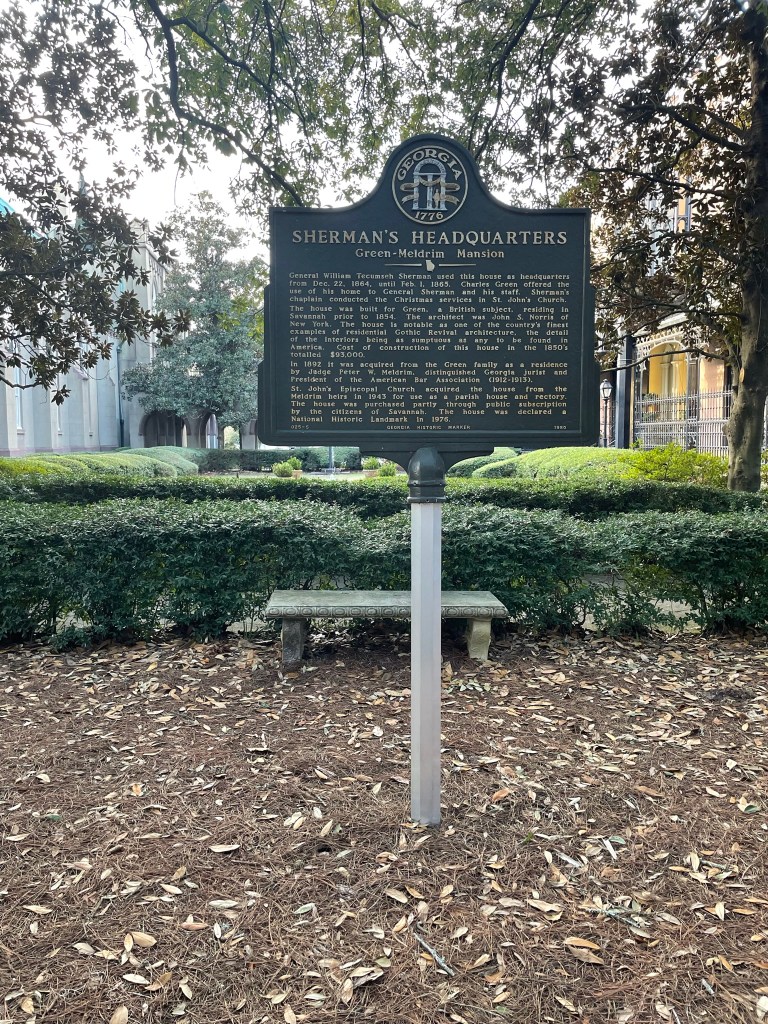
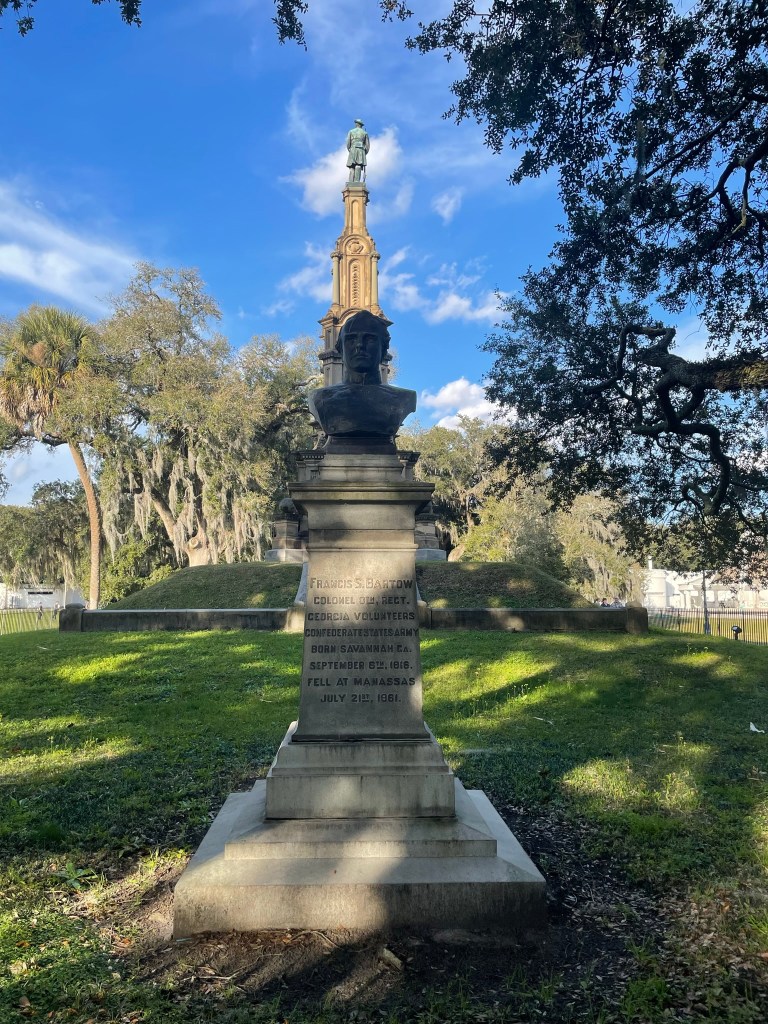
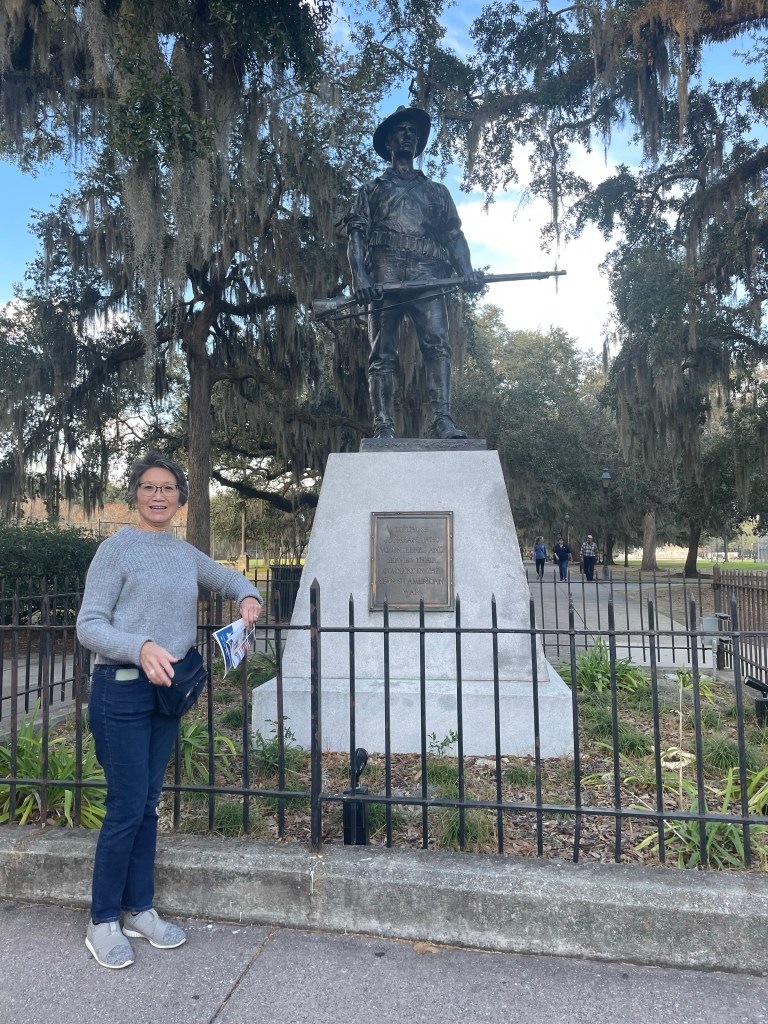
Savannah, GA – and a visit by a couple friends. We did a self guided walking of the Savannah Squares. Savannah has 22 historic squares. Each square has its own name and look, with most of them having a unique statue, sculpture, or structure as the focal point in the center.

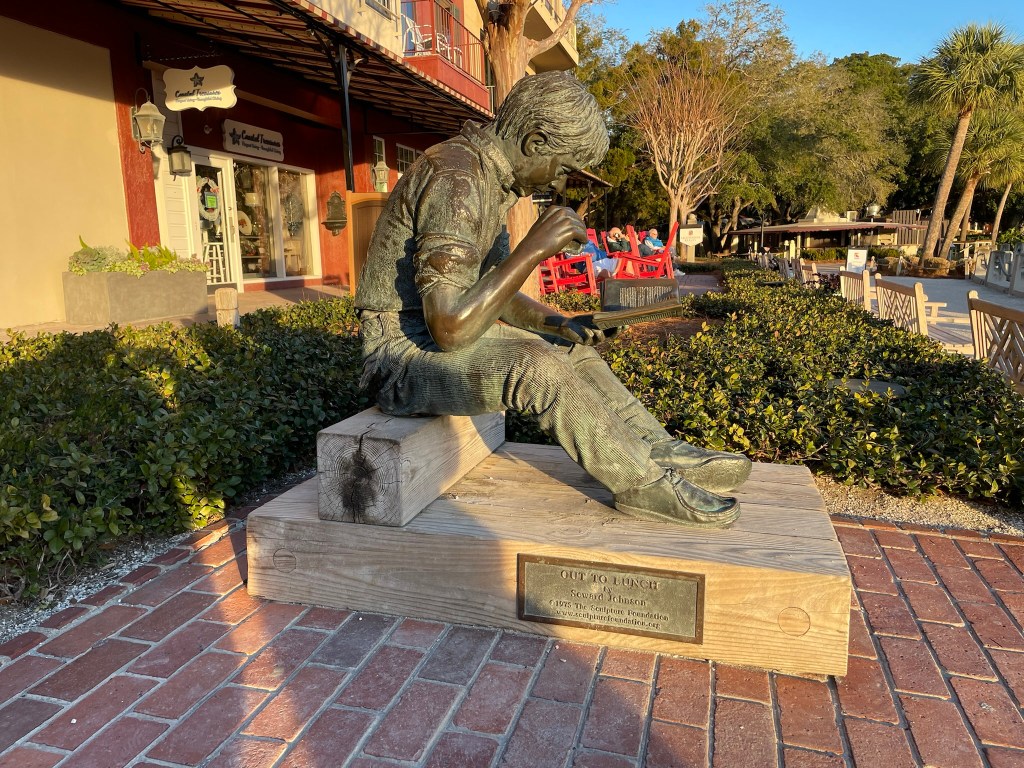
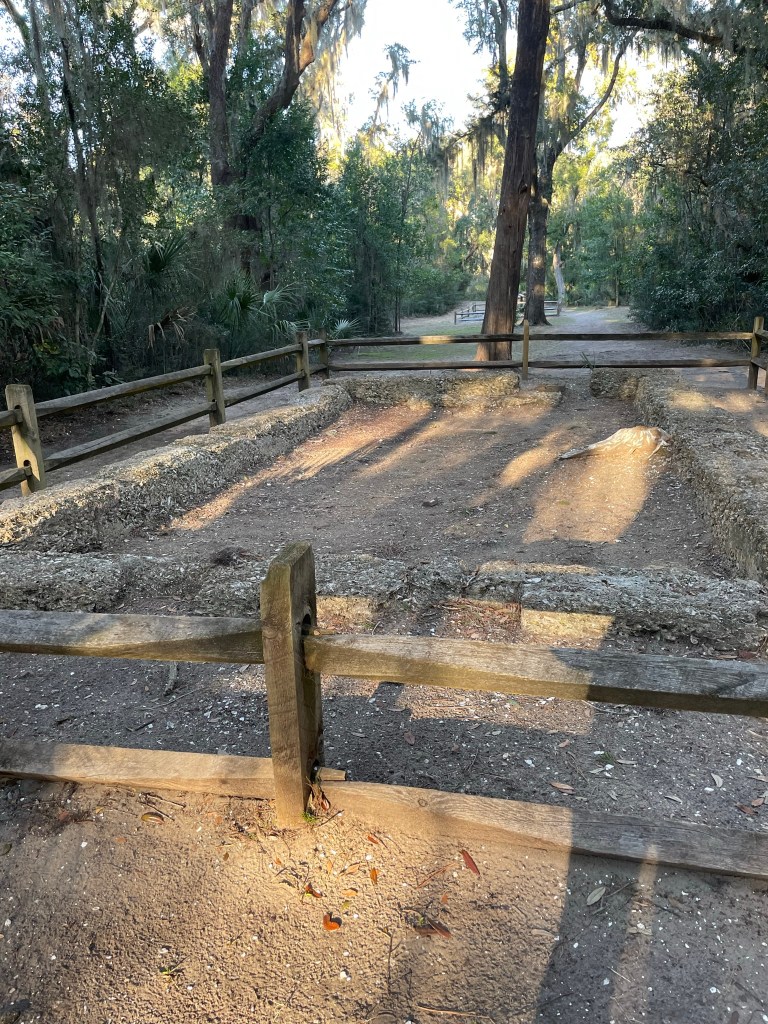
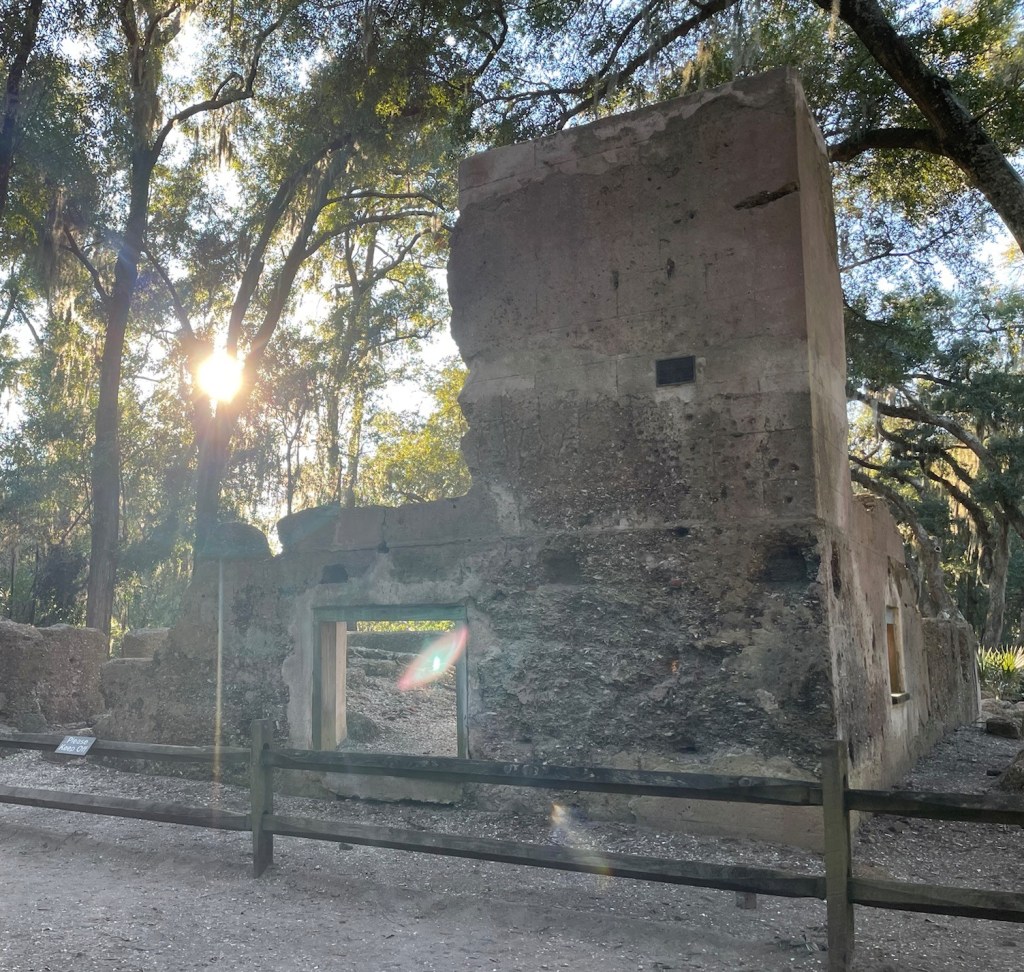
HarbourTown, Stoney Baynard Ruins.

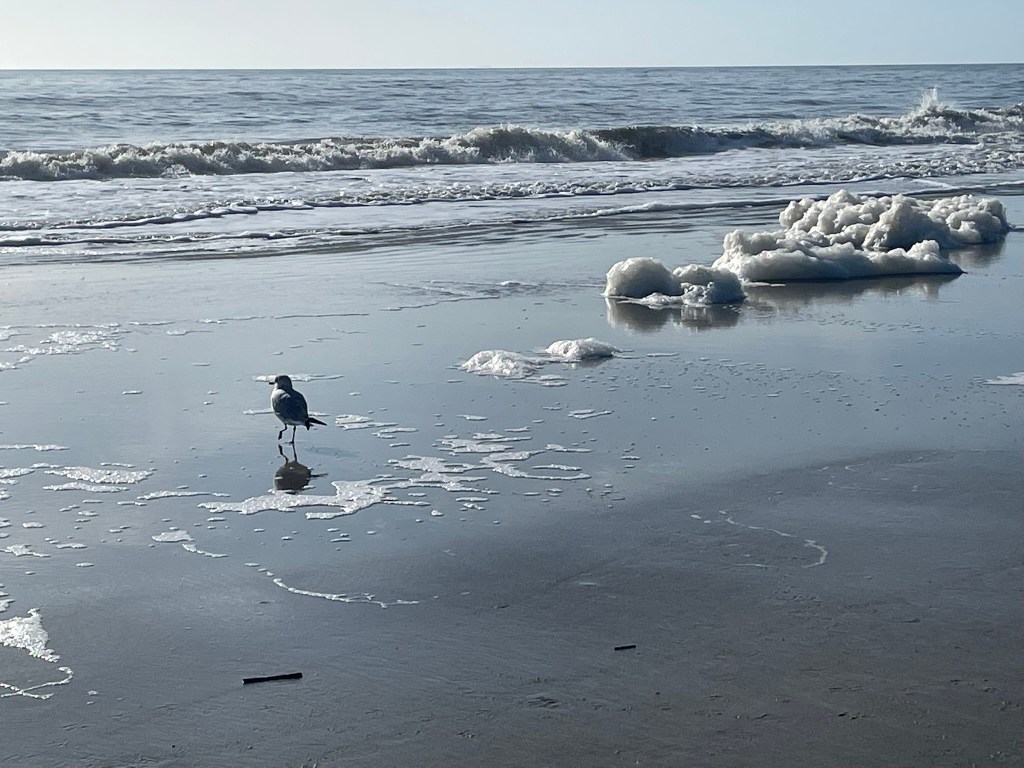
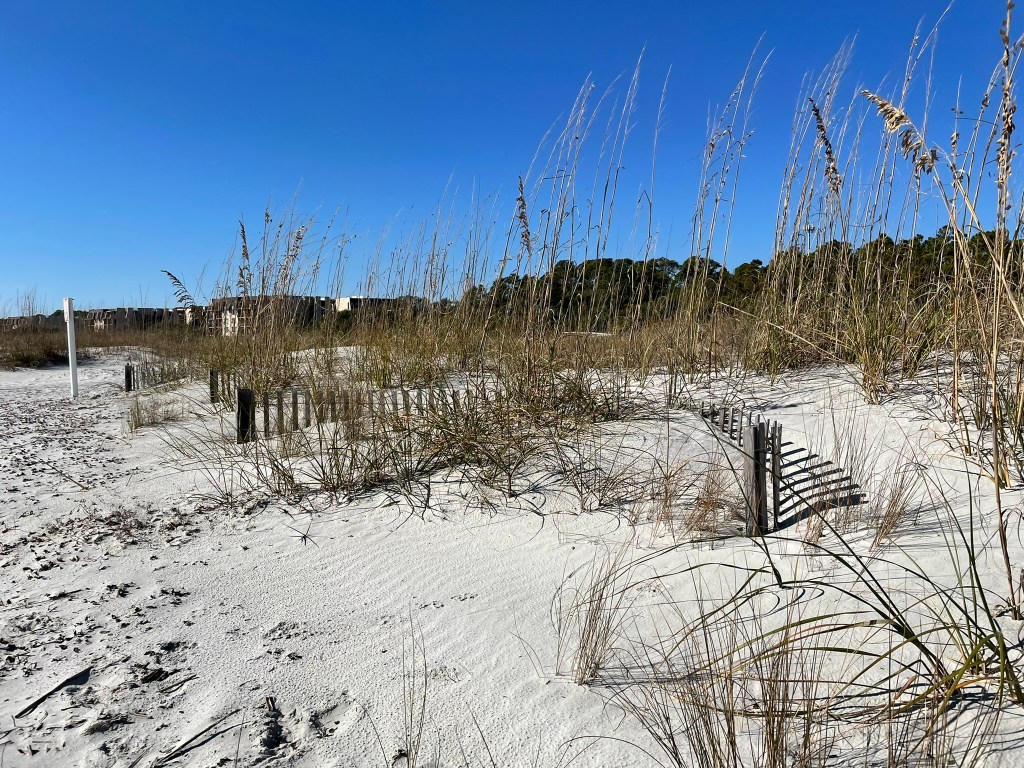
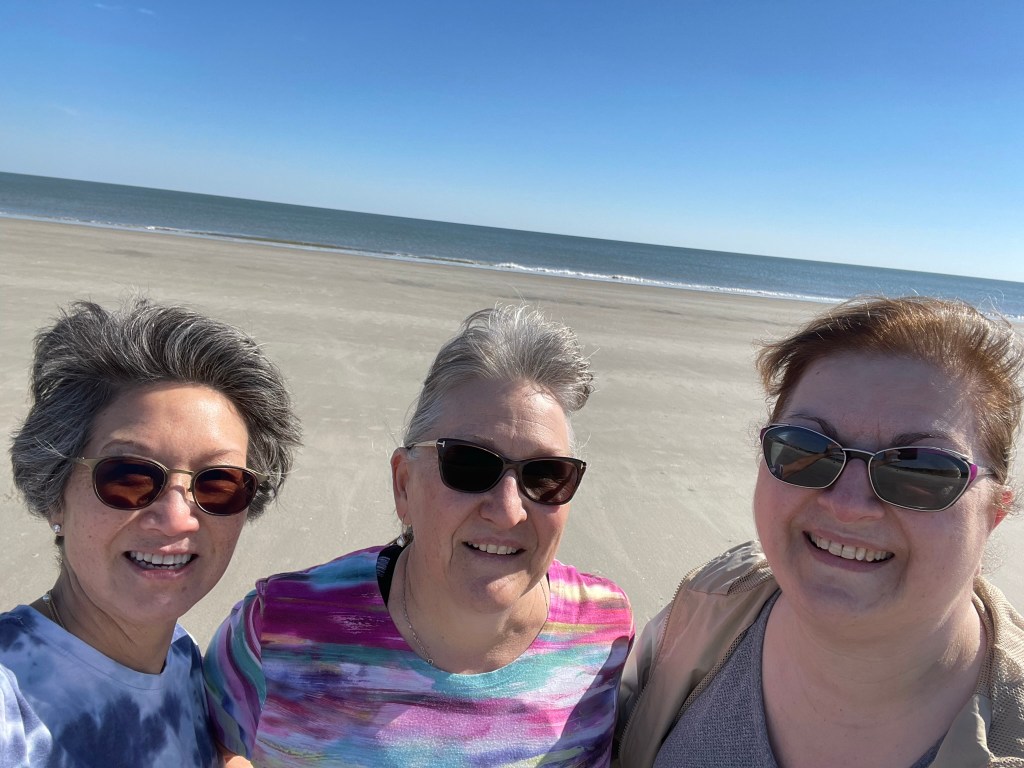
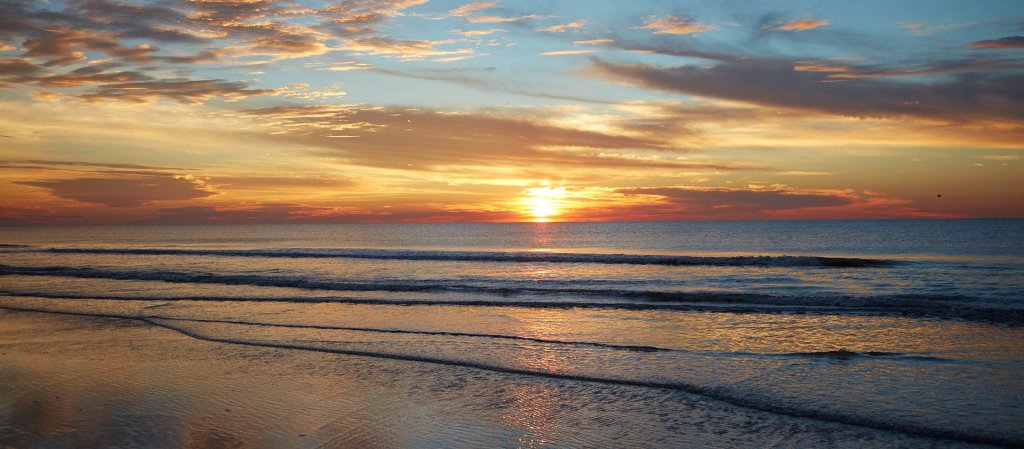
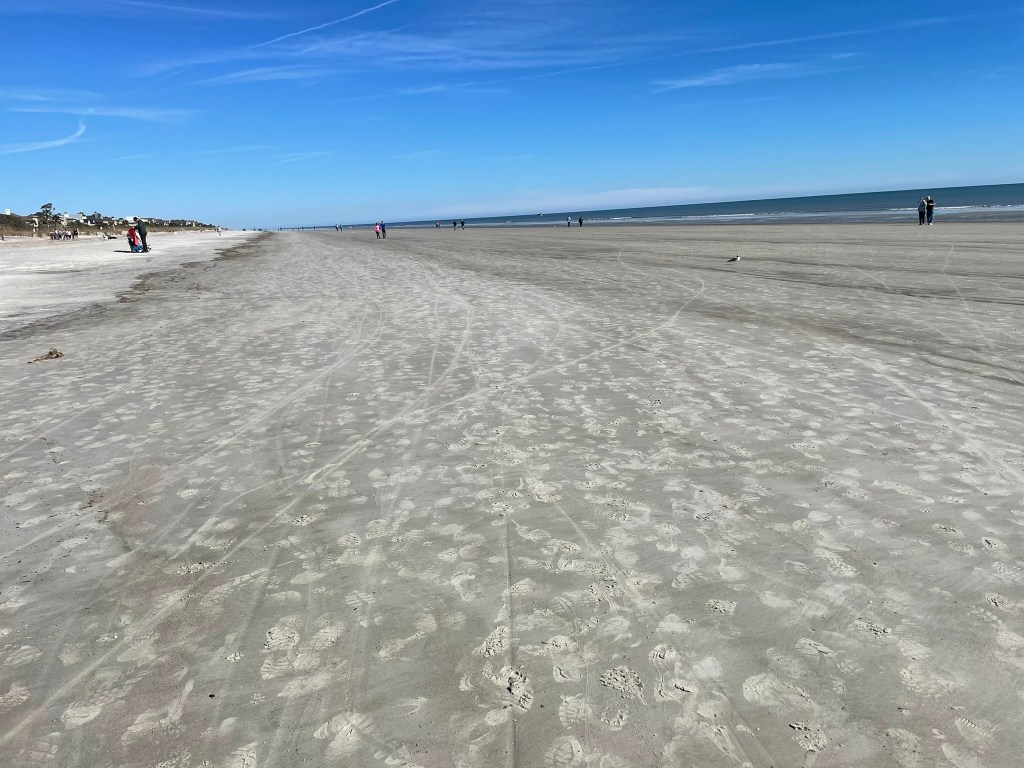
South Beach

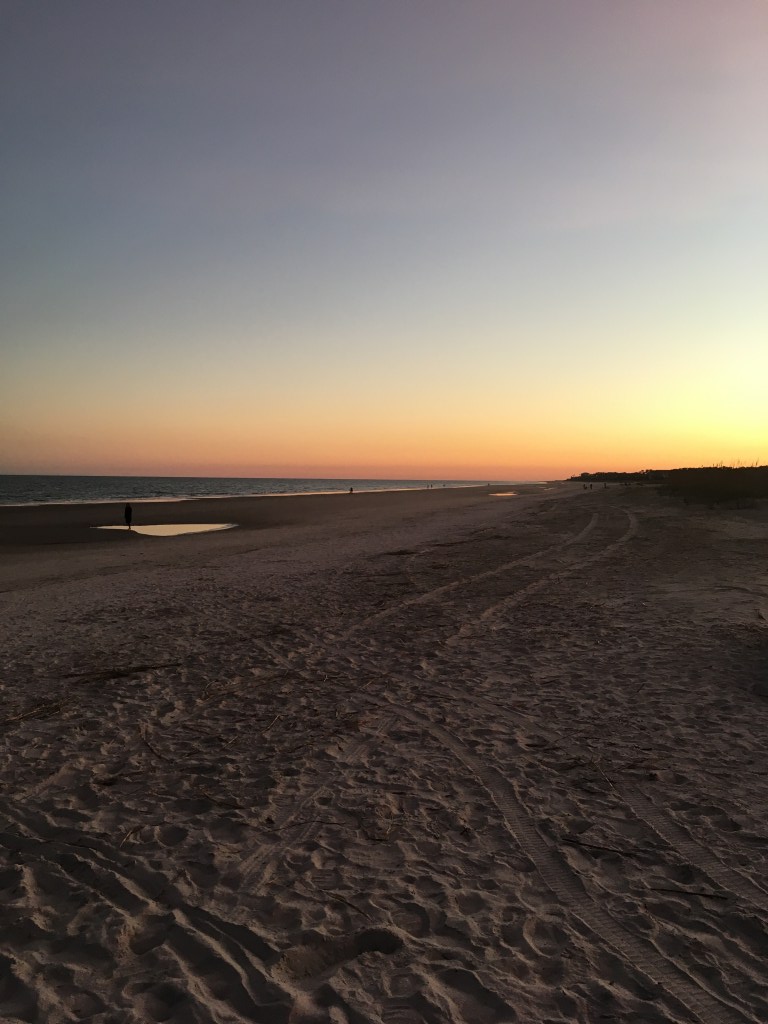
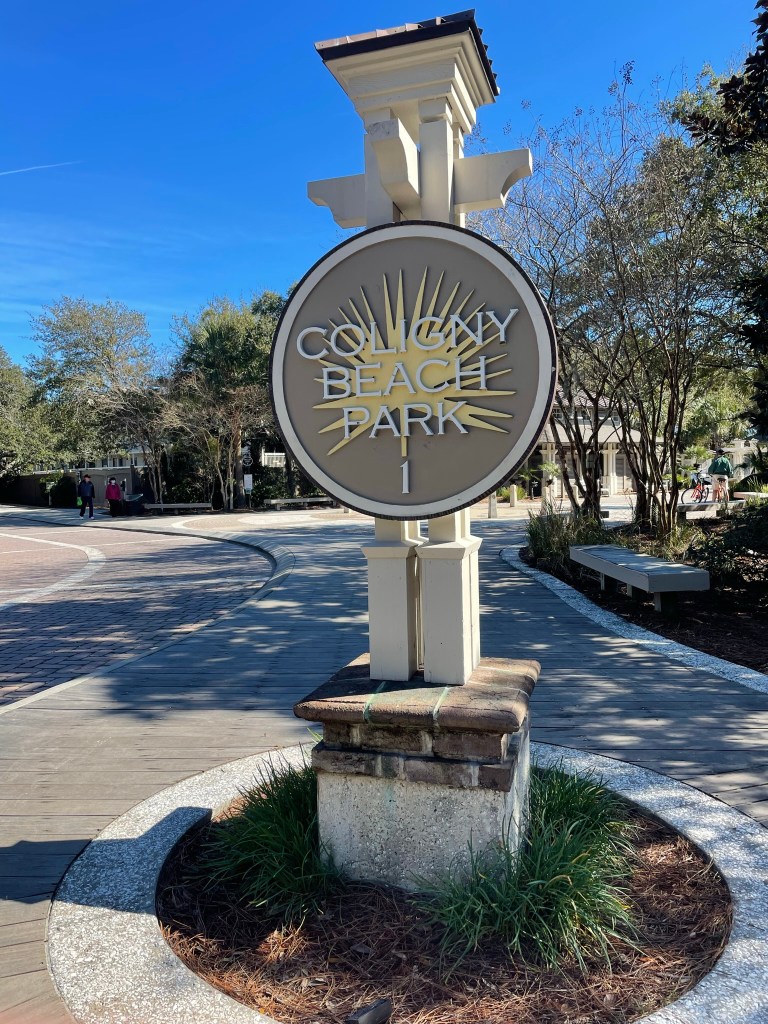
Coligny Beach

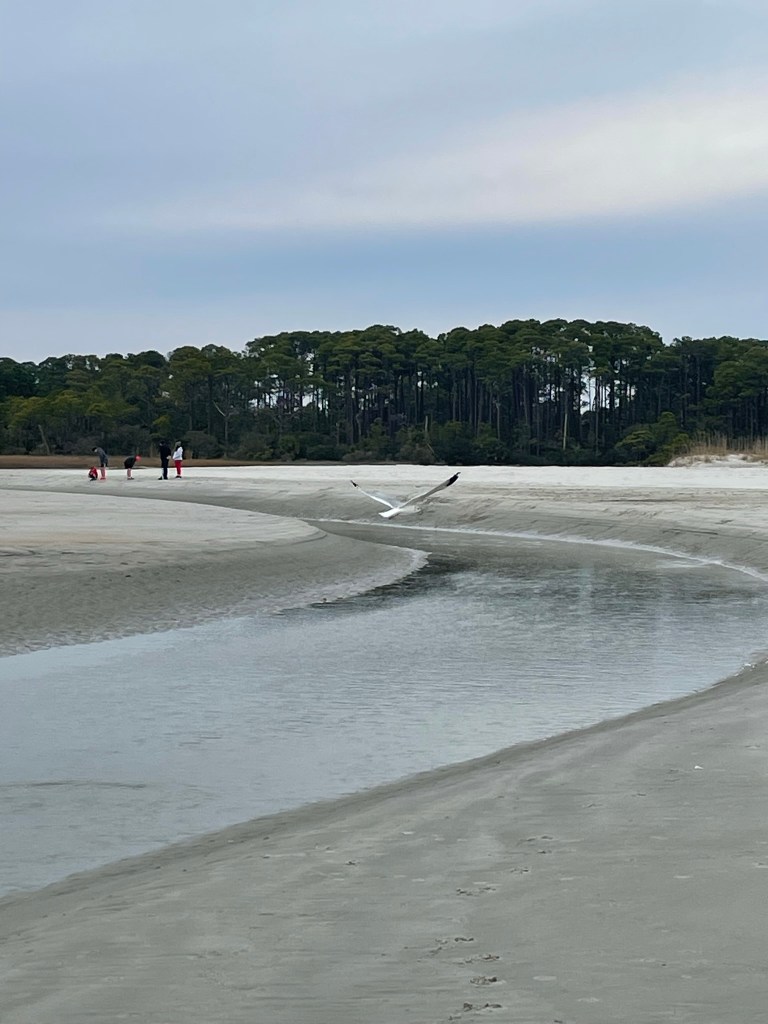
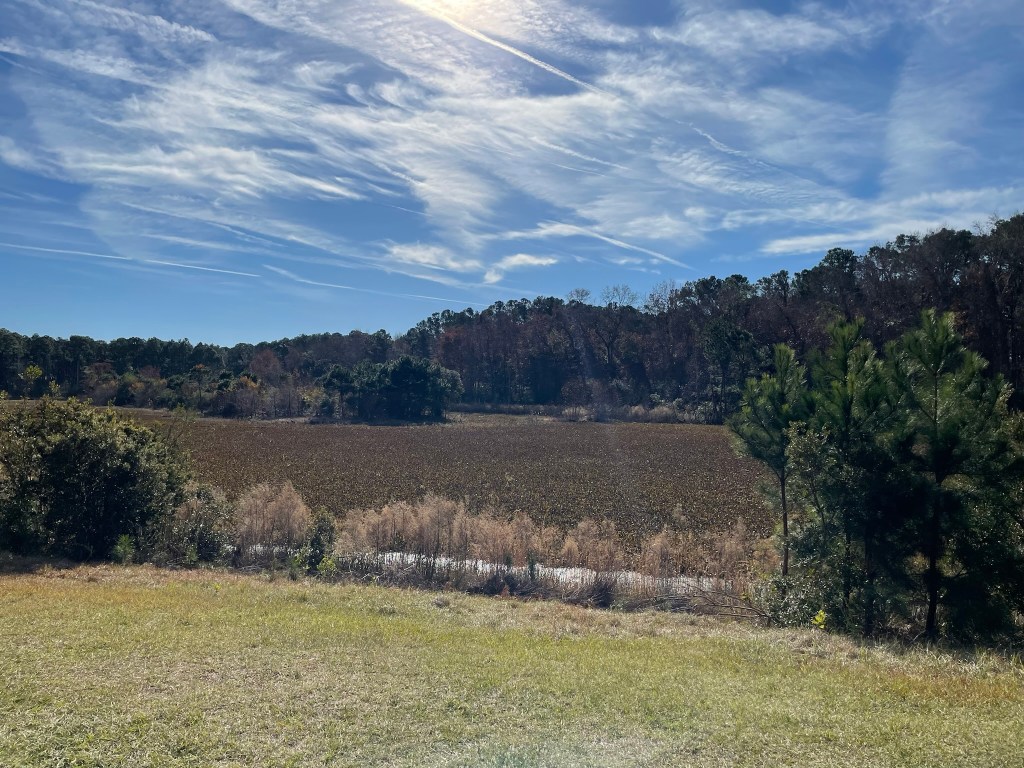
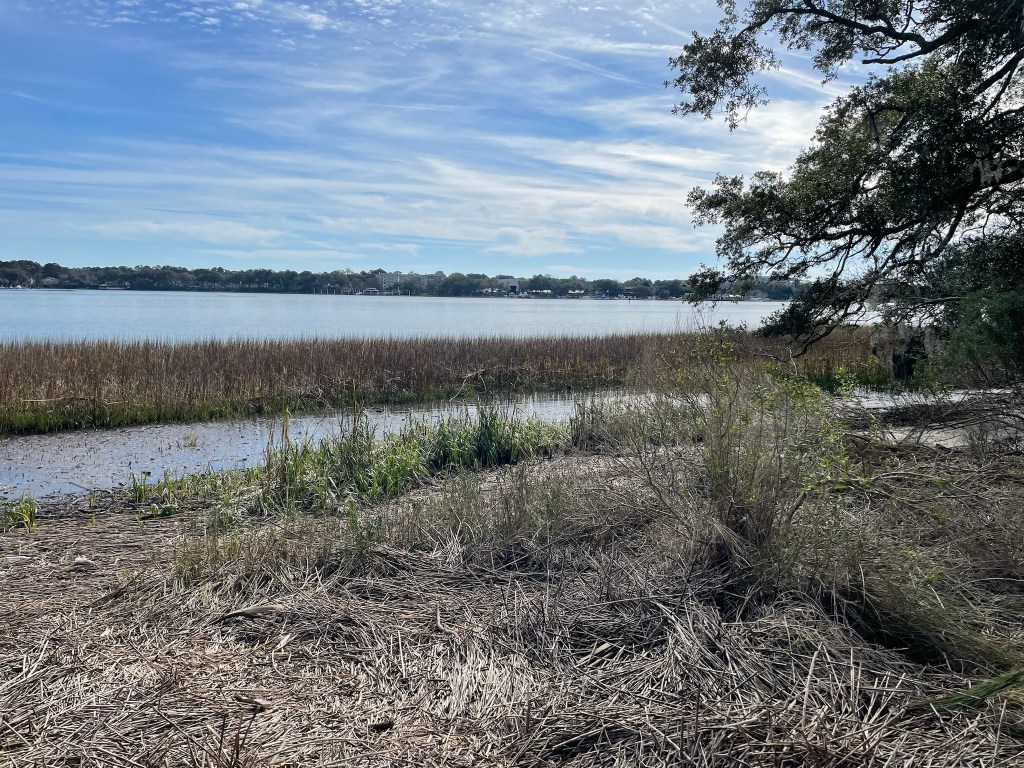
Pinckney Island Refuge

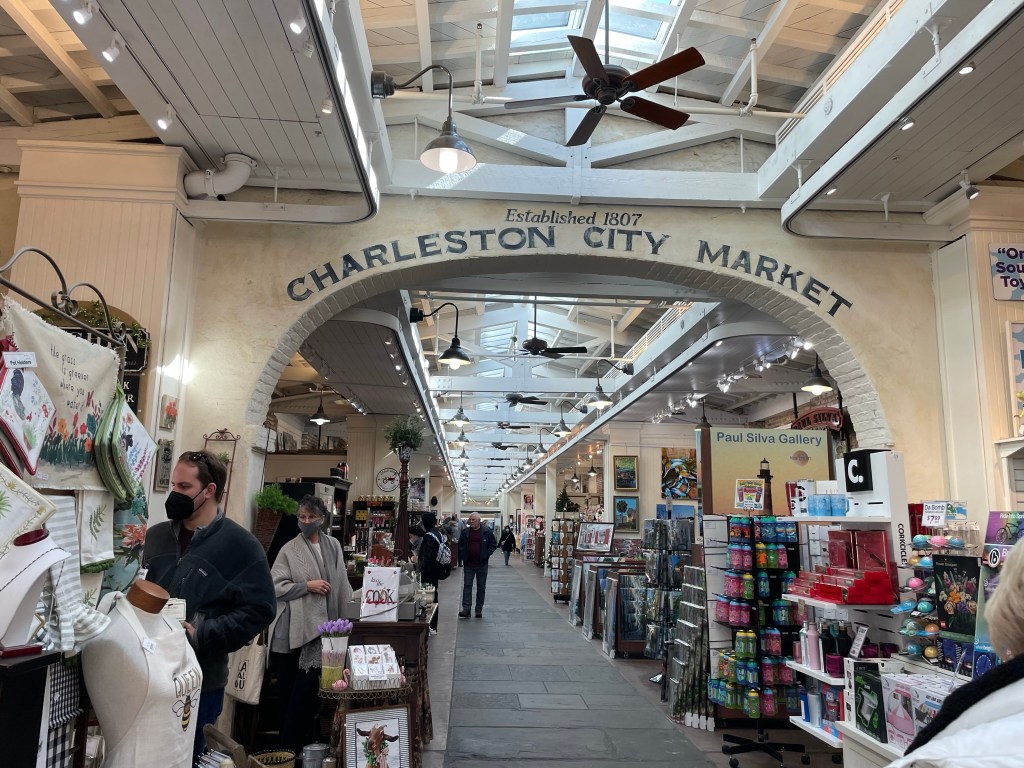
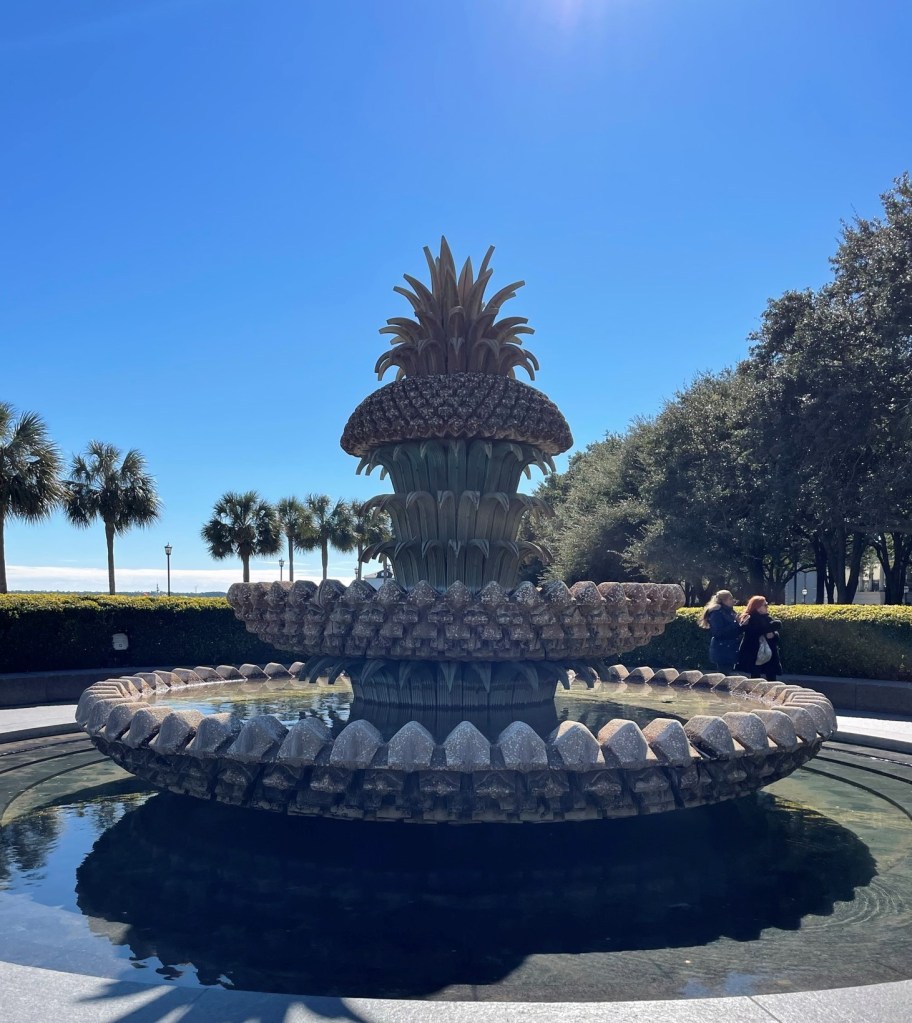
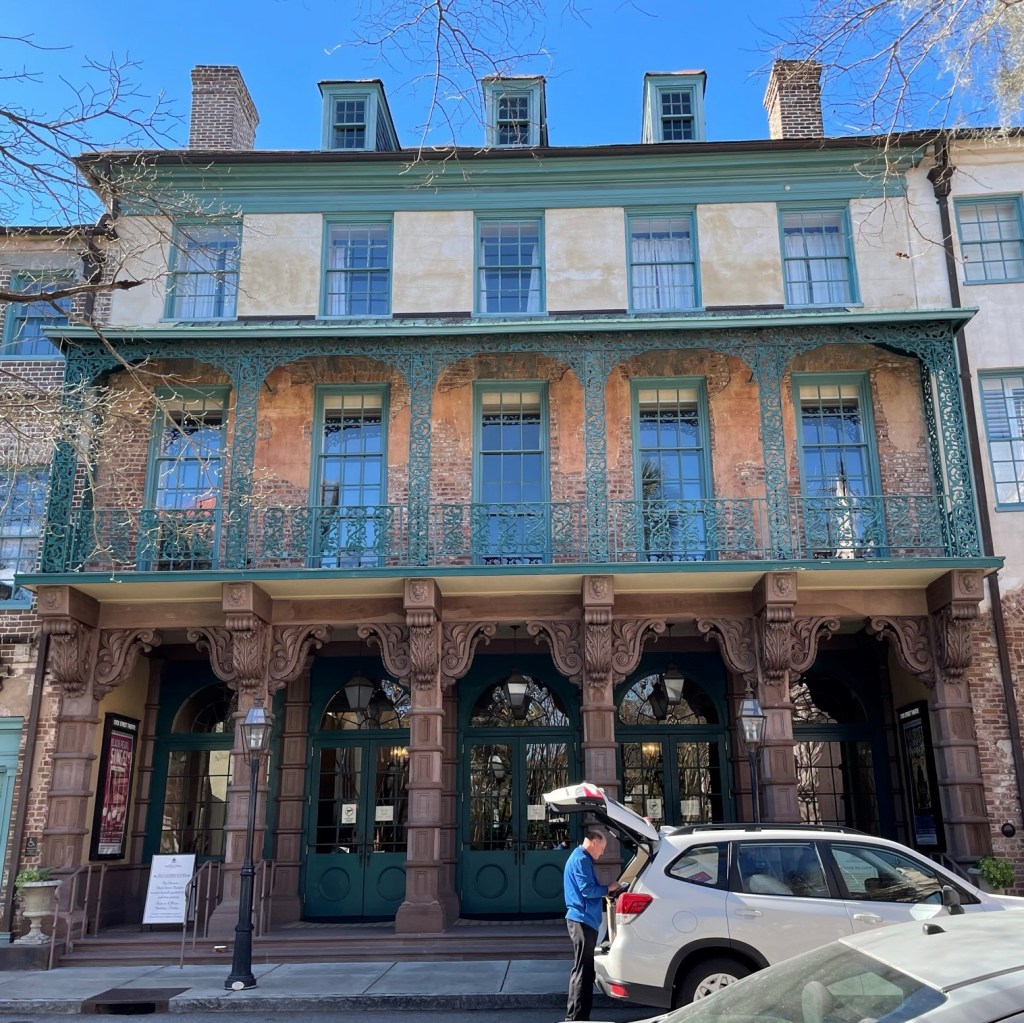
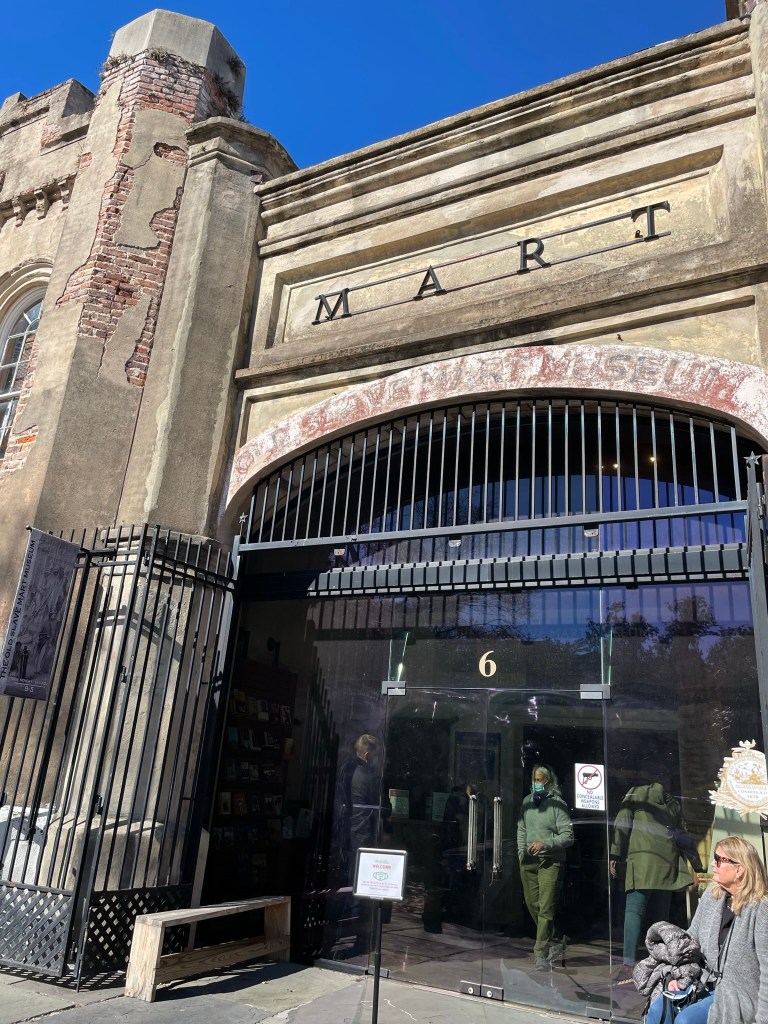
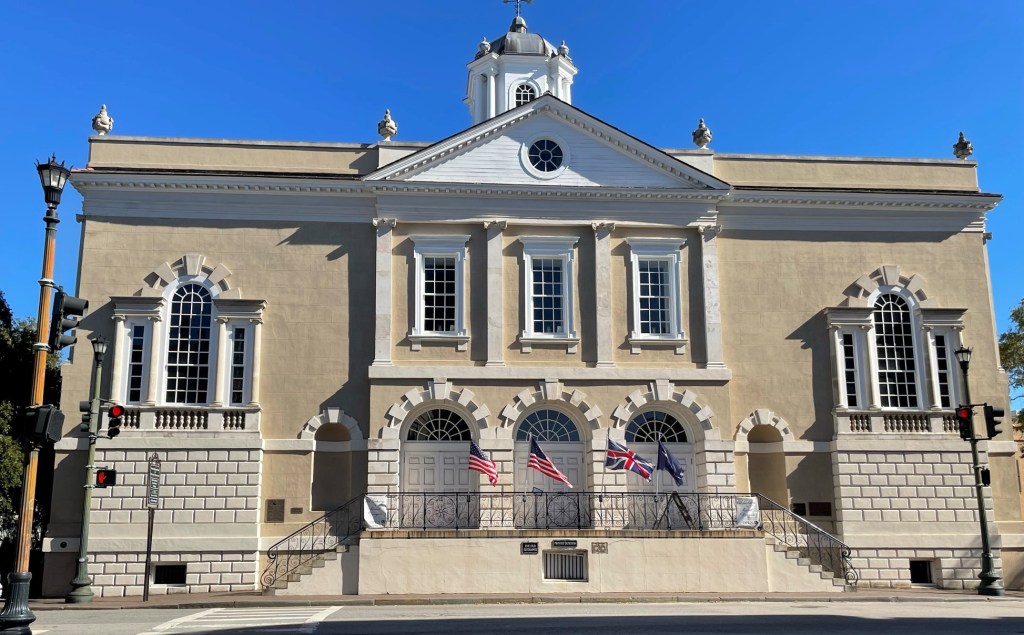
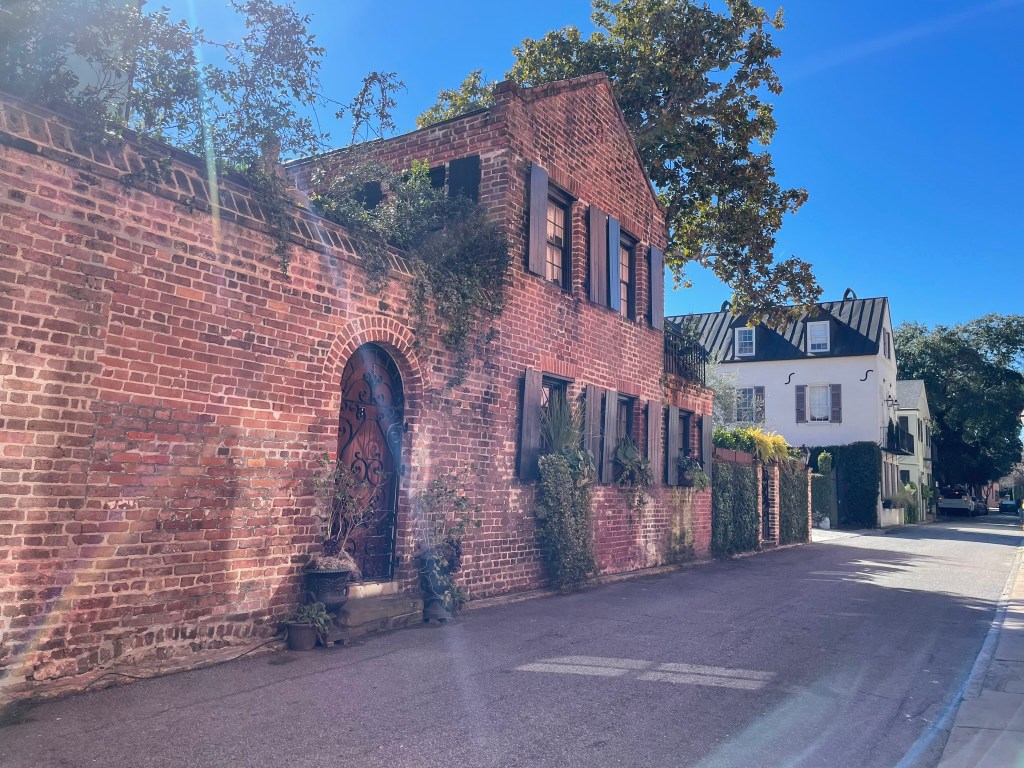
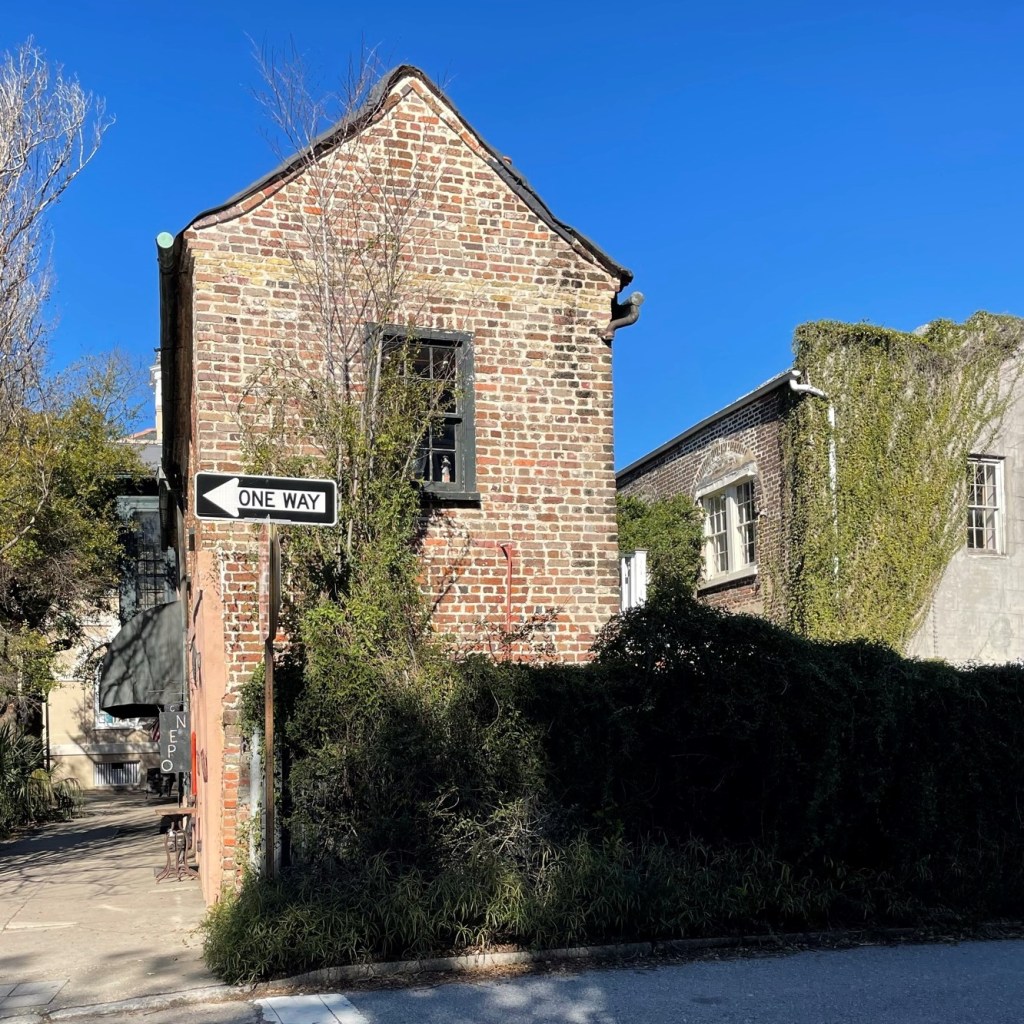
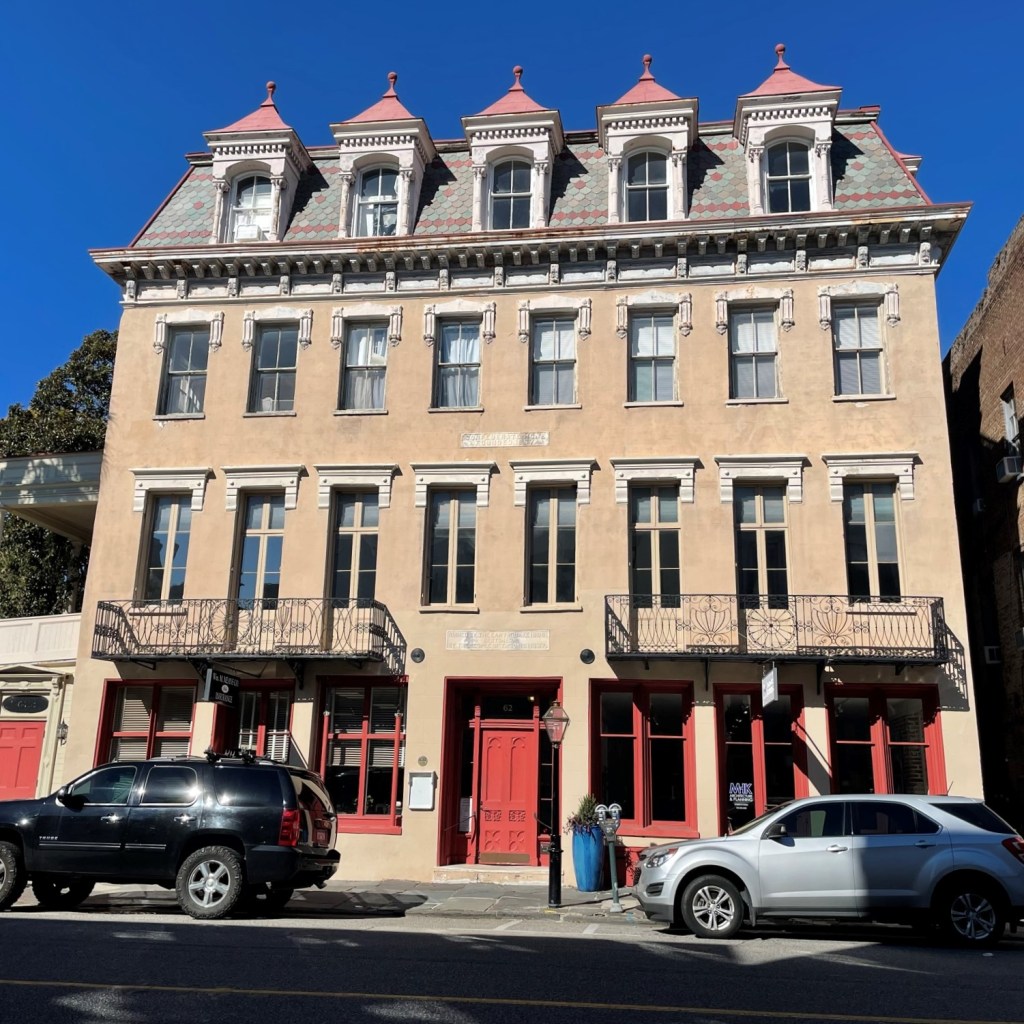
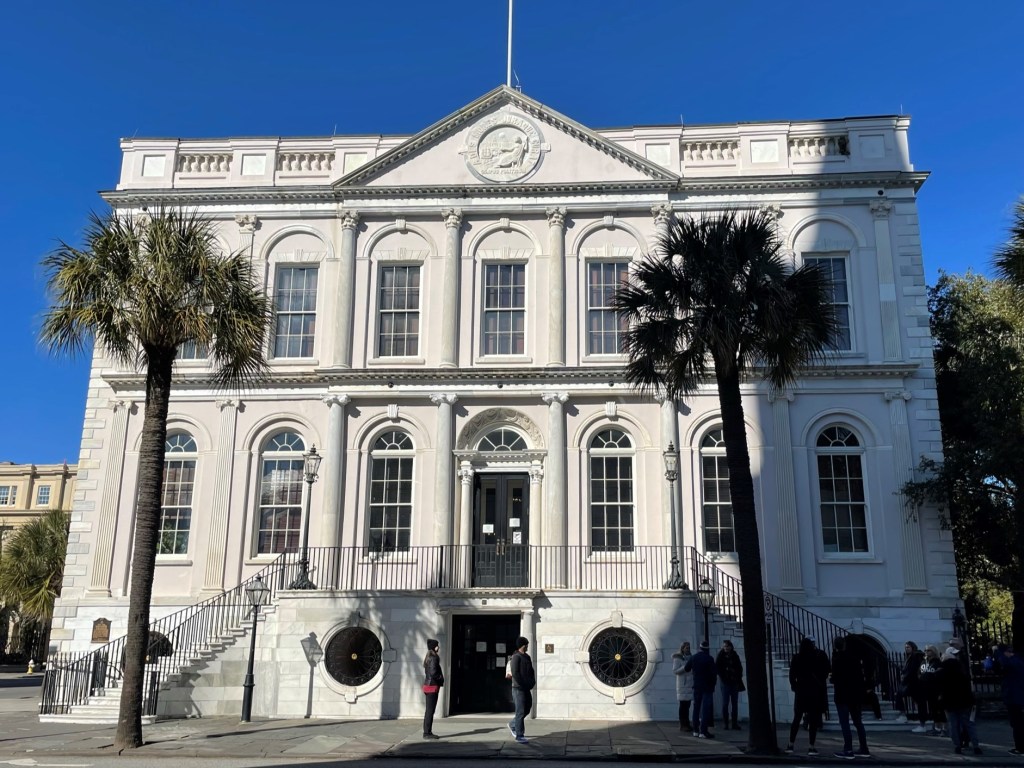
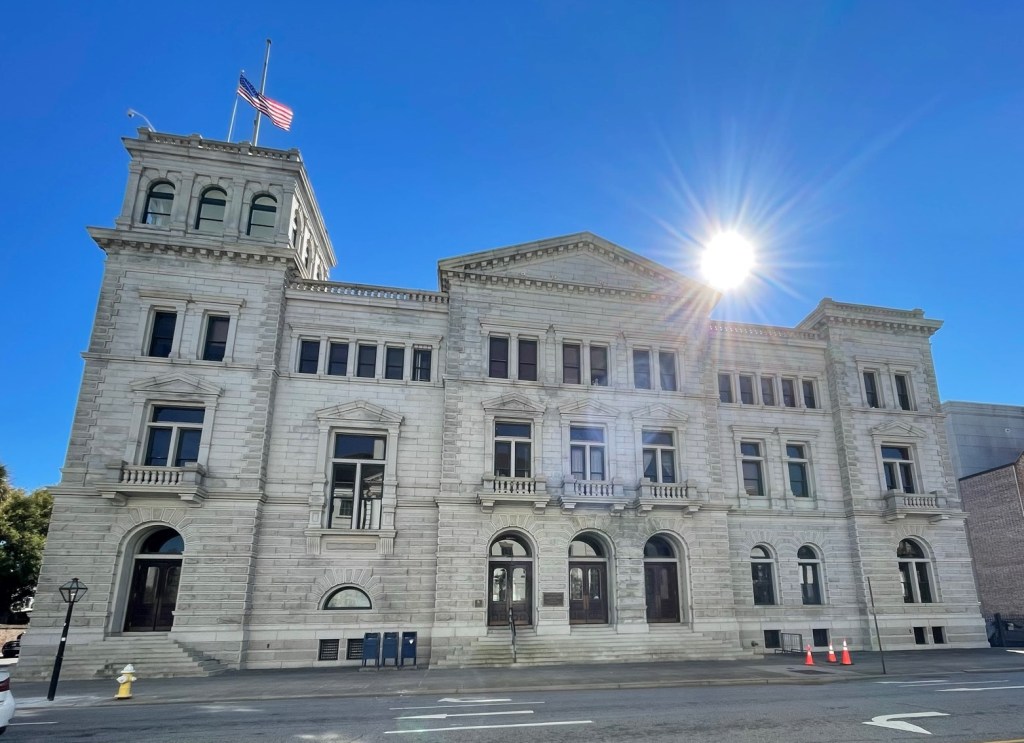
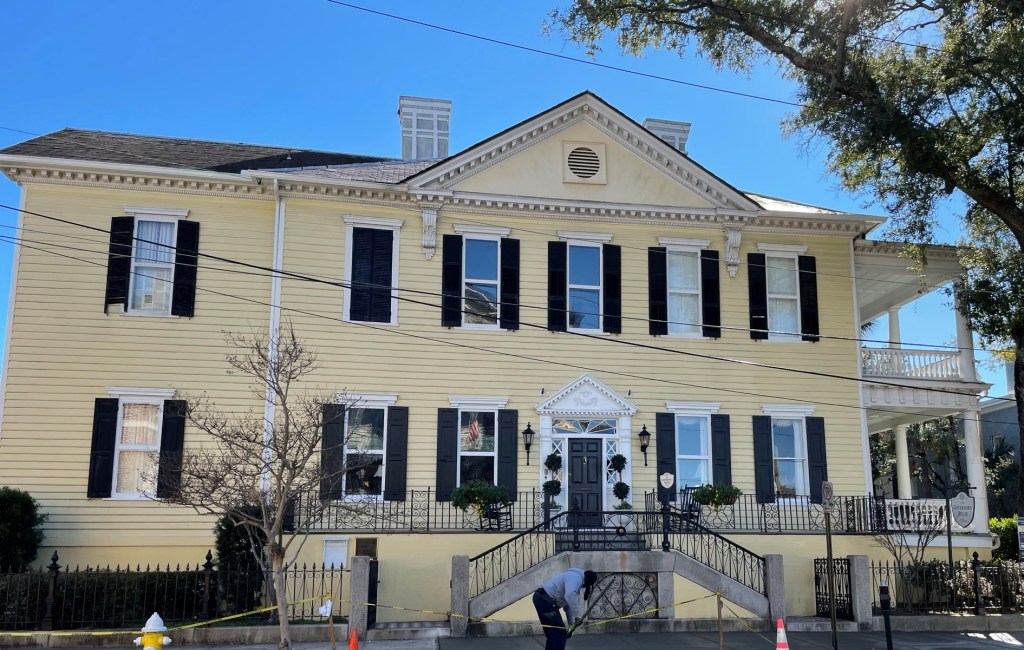
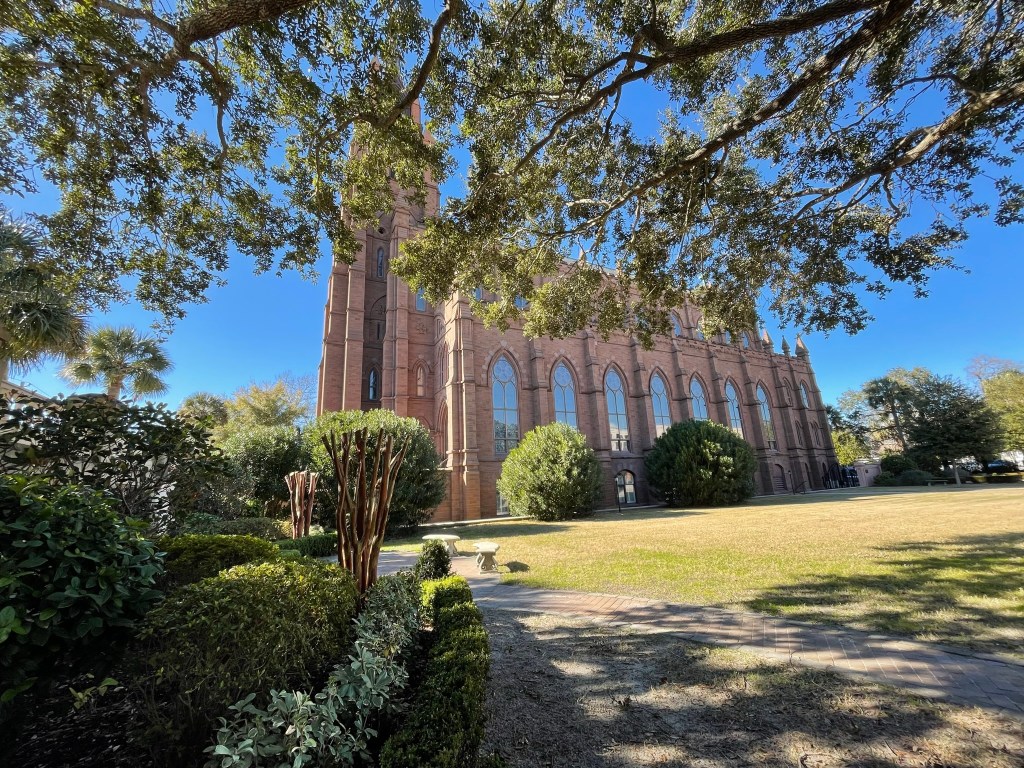
Charleston, SC

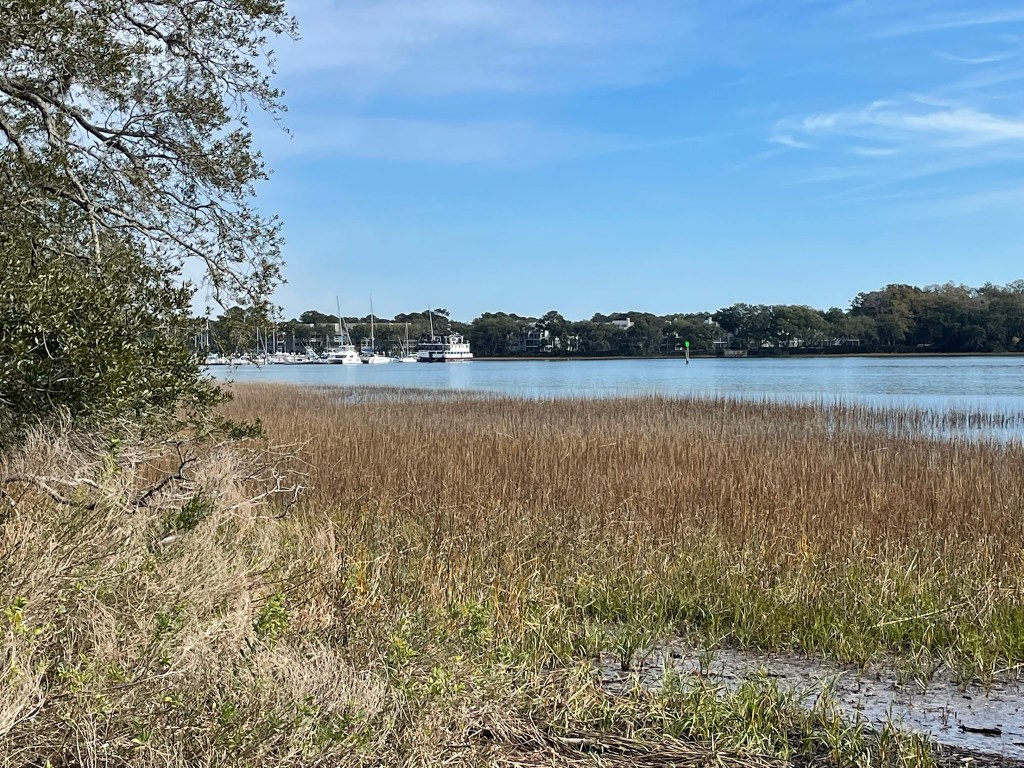
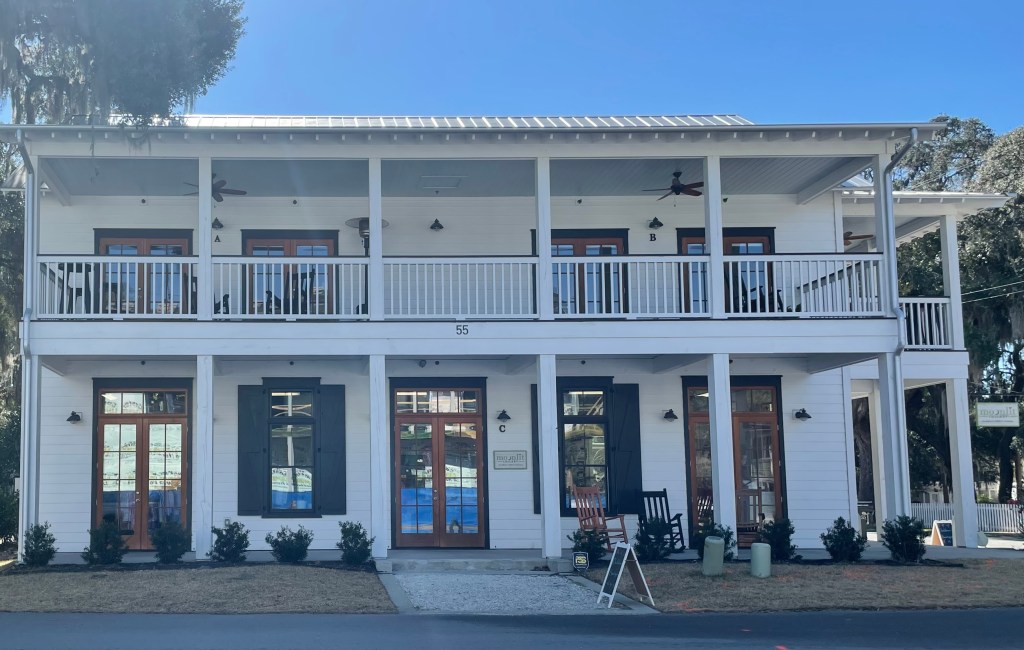
Bluffton, SC

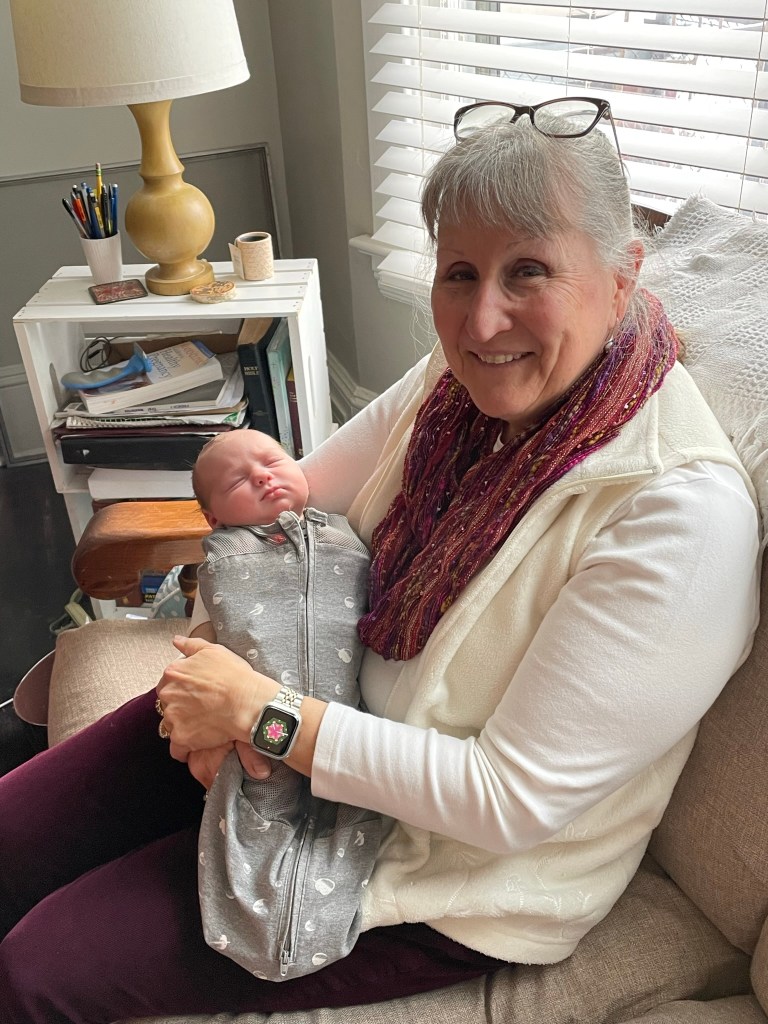
Cleveland, OH – on my way back to MN, I stopped for a visit with my sister-in-law, her daughter and new grand daughter.

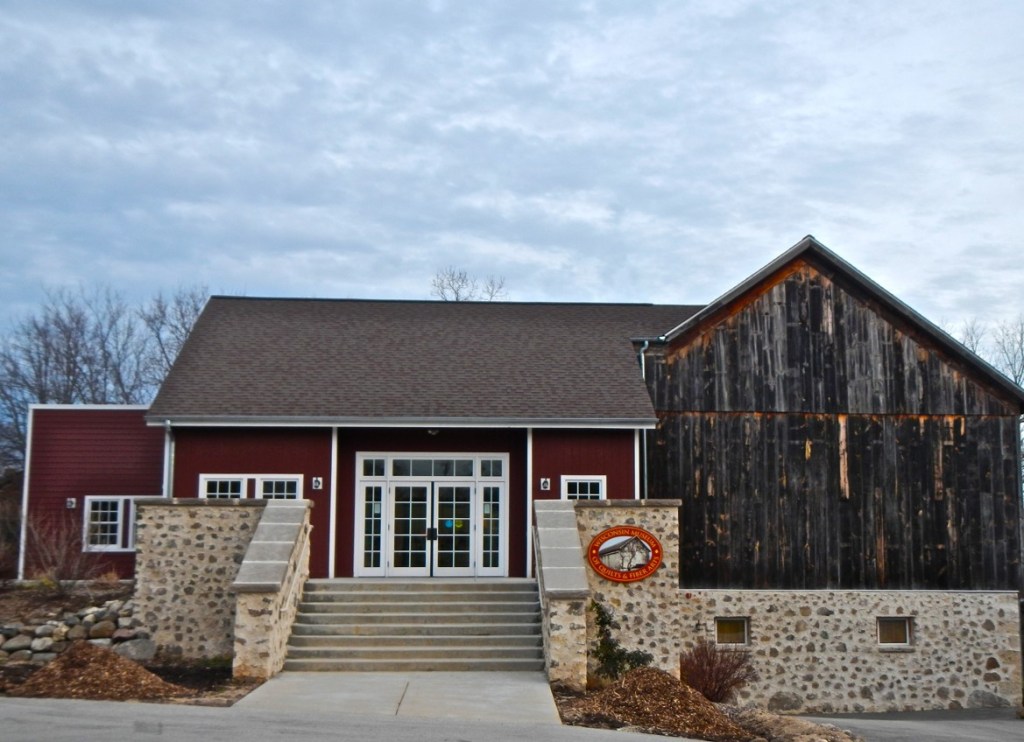
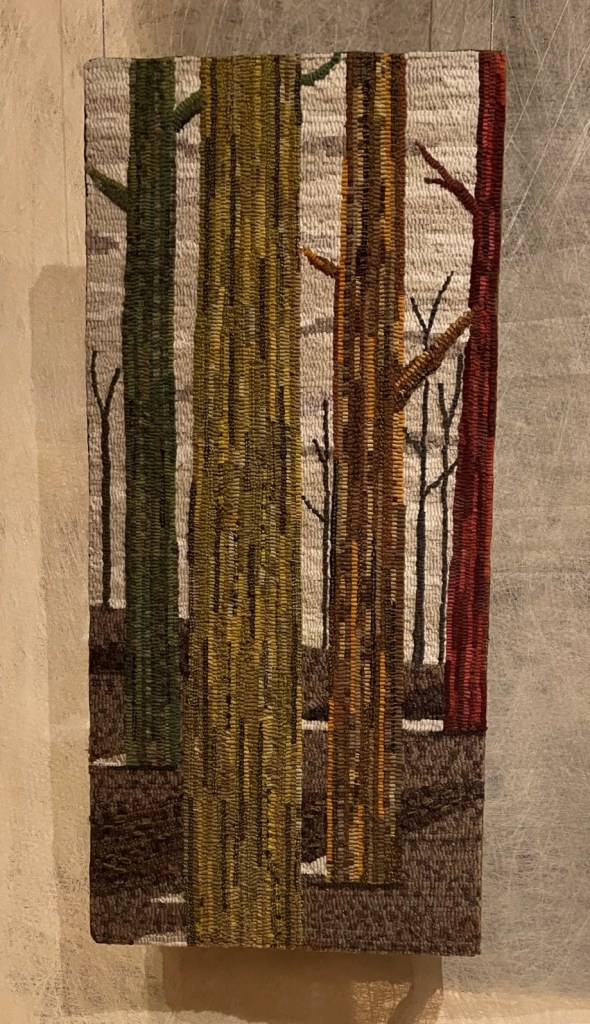
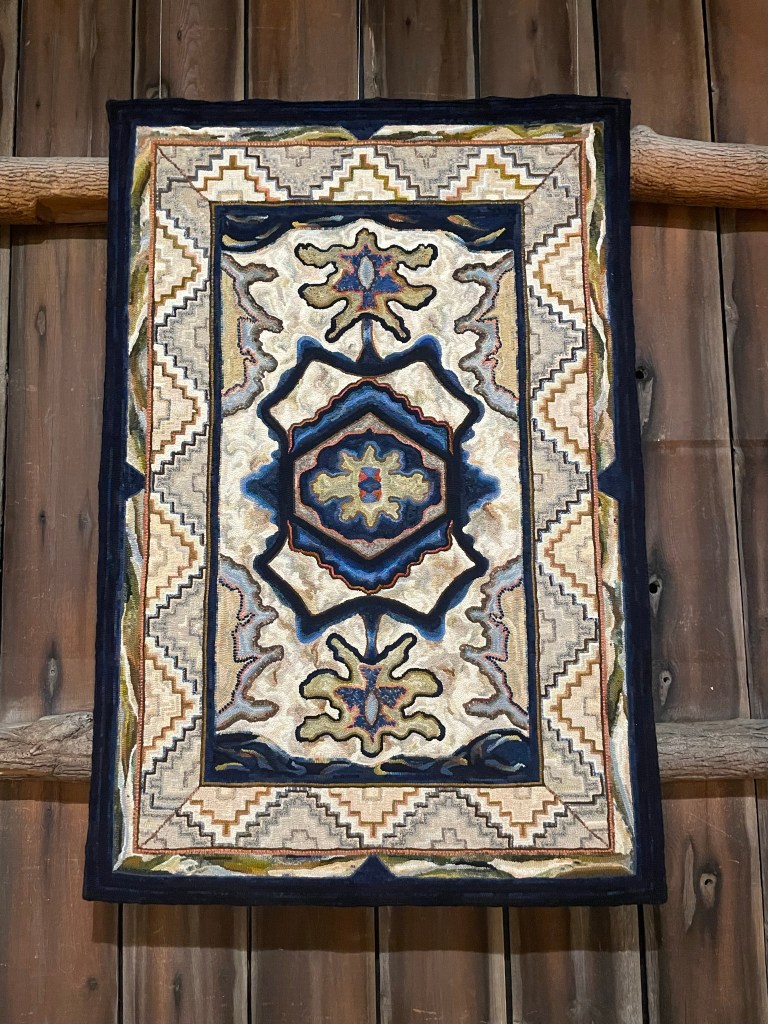
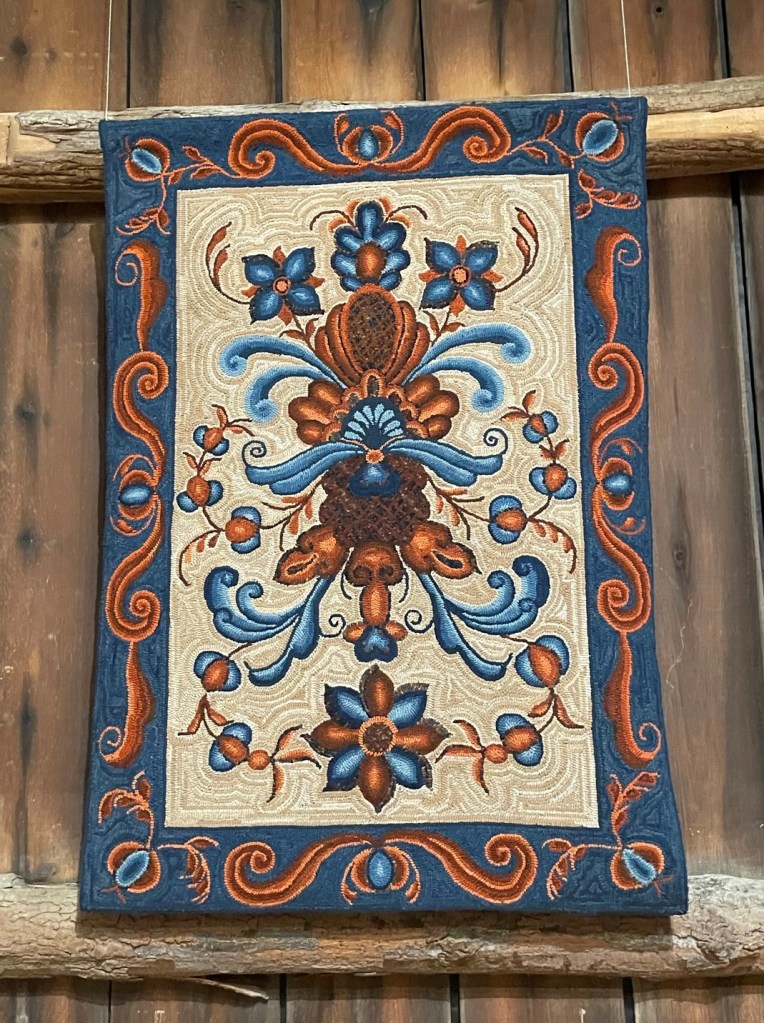
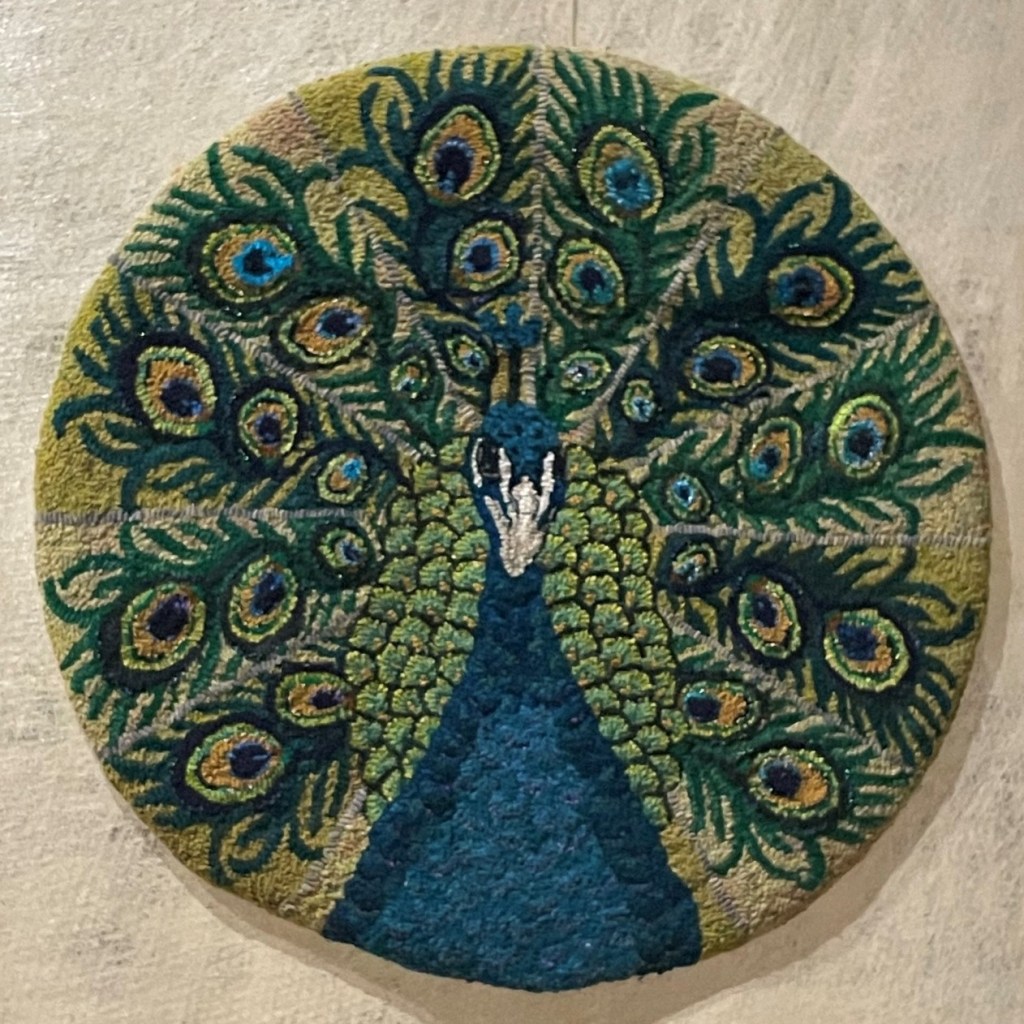
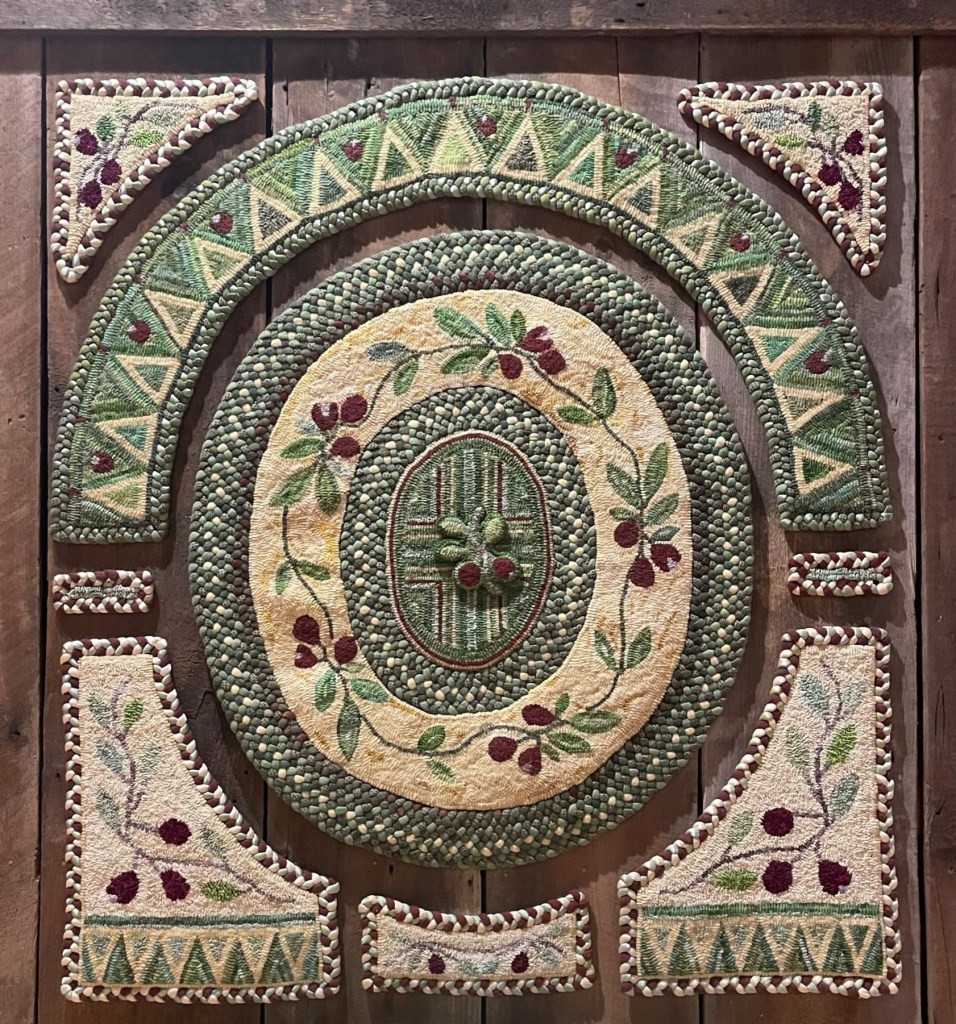
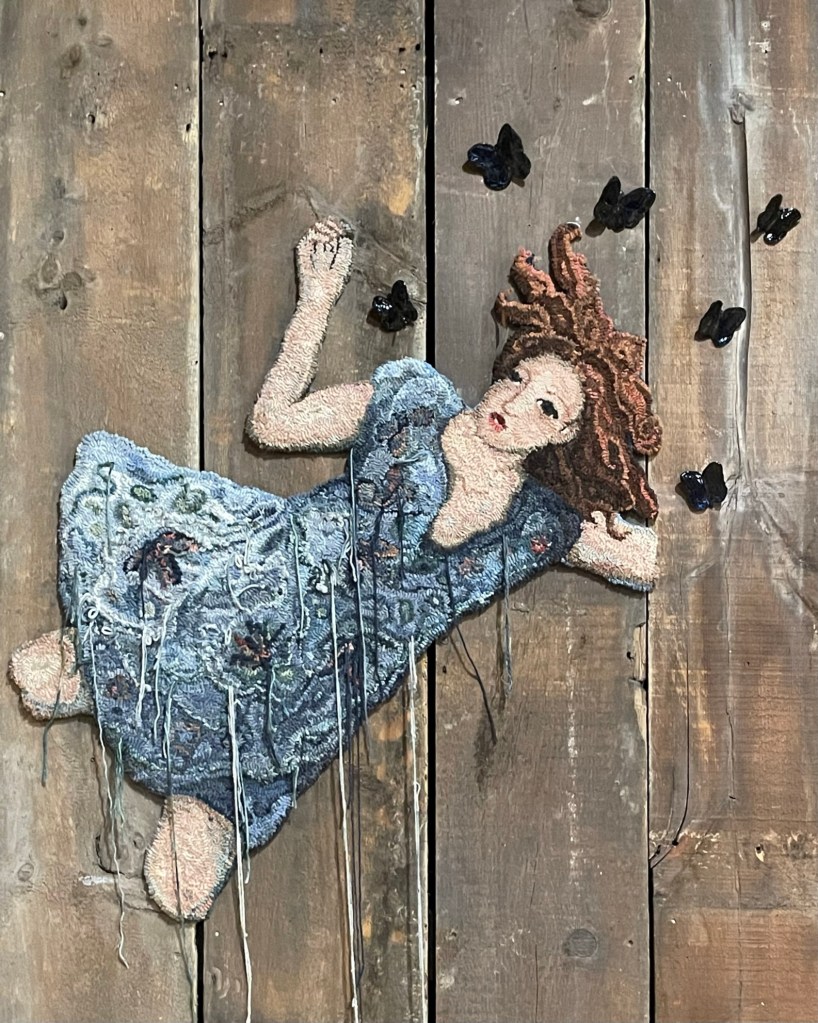
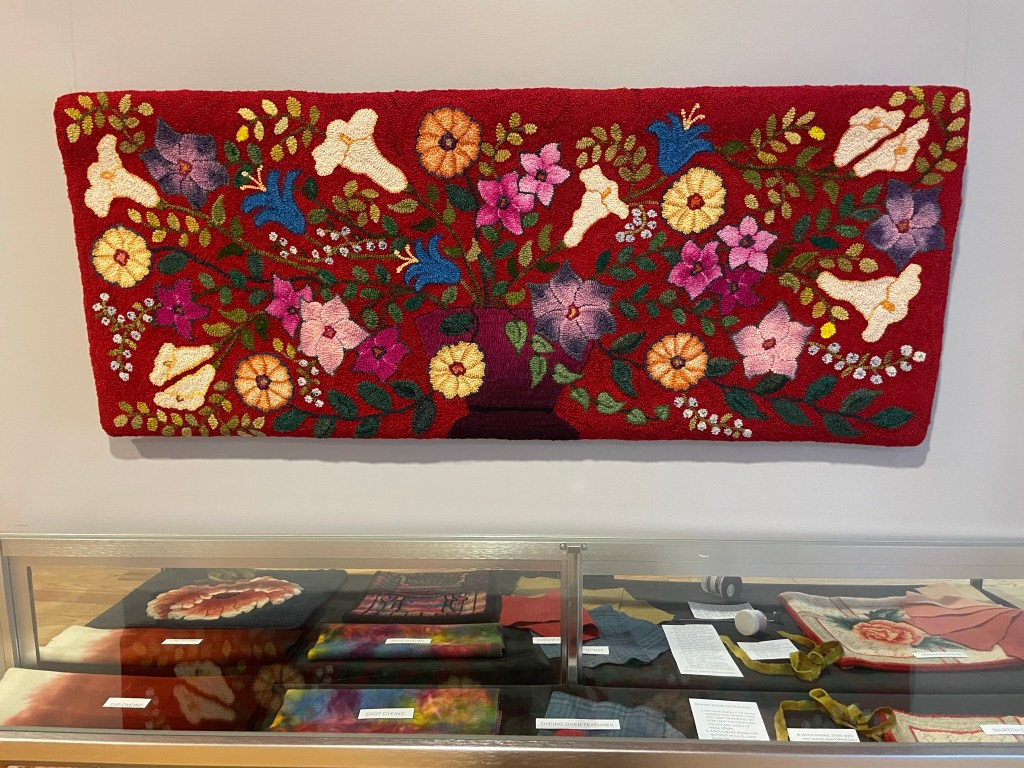
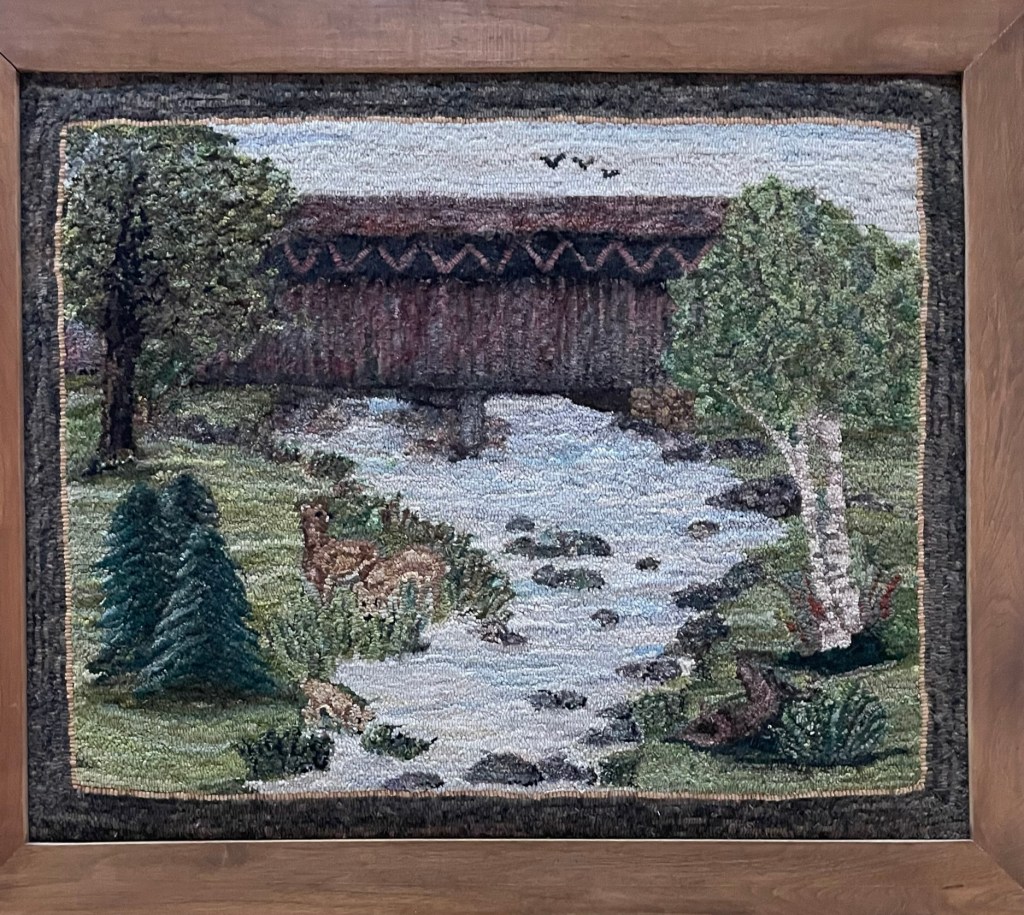
Wisconsin Museum of Quilts and Fiber Arts – my last stop was with my mother-in-law and a visit to the quilt museum in Cedarburg, WI. The current exhibition was about hooked rugs. They were all very beautiful. I was intrigued by the technique, but decided that I really don’t need another hobby.

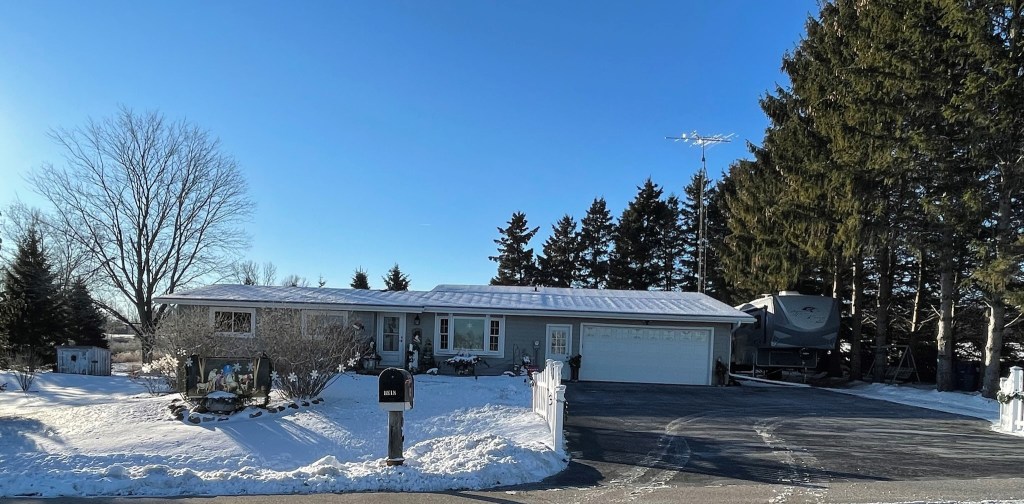
I enjoyed the time away from the cold and snow, but its good to be back home!

Panel Quilts

A little over a year ago, while traveling through North and South Carolina, I visited a couple quilt shops. While there, I purchased some sale fabrics. Granted, I really didn’t need any new fabric, but it was hard to pass up a good deal.

These fabrics were panels, one with cats and the other with mandalas. Recently, I finally had time to use these in a couple quilts.

Mandala Quilt

The fabric panels were cut apart, and combined with coordinating fabrics of orange, teal, yellow and black.

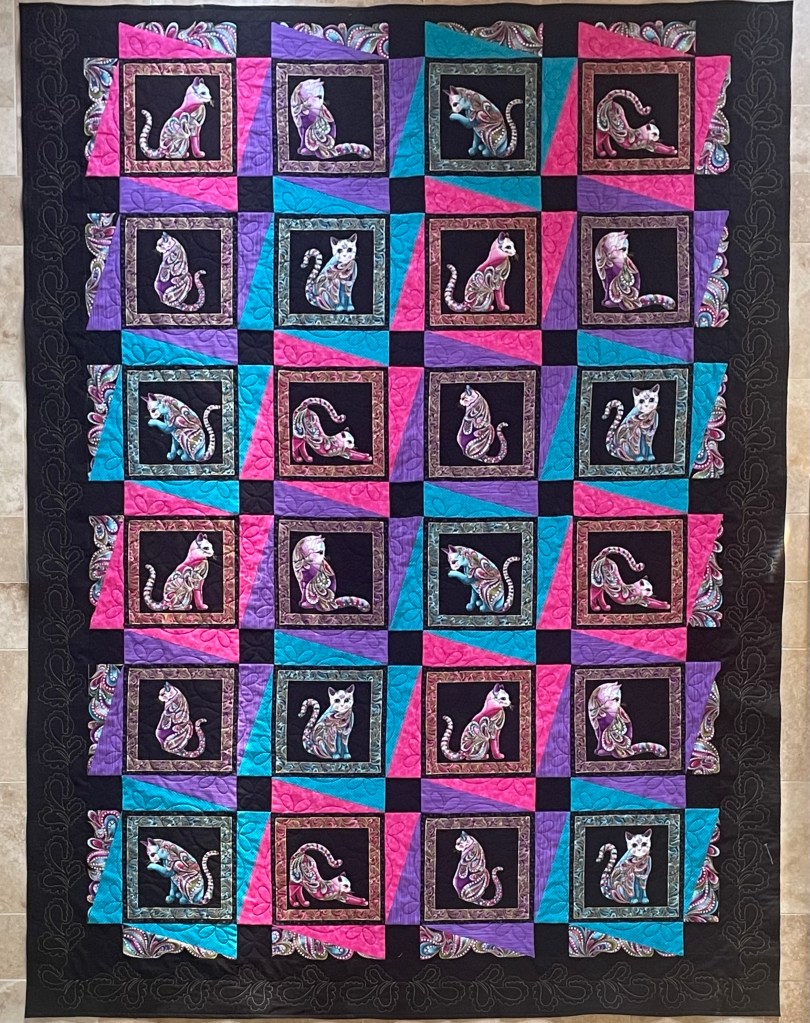
Cat-i-tude Panel Cats Quilt

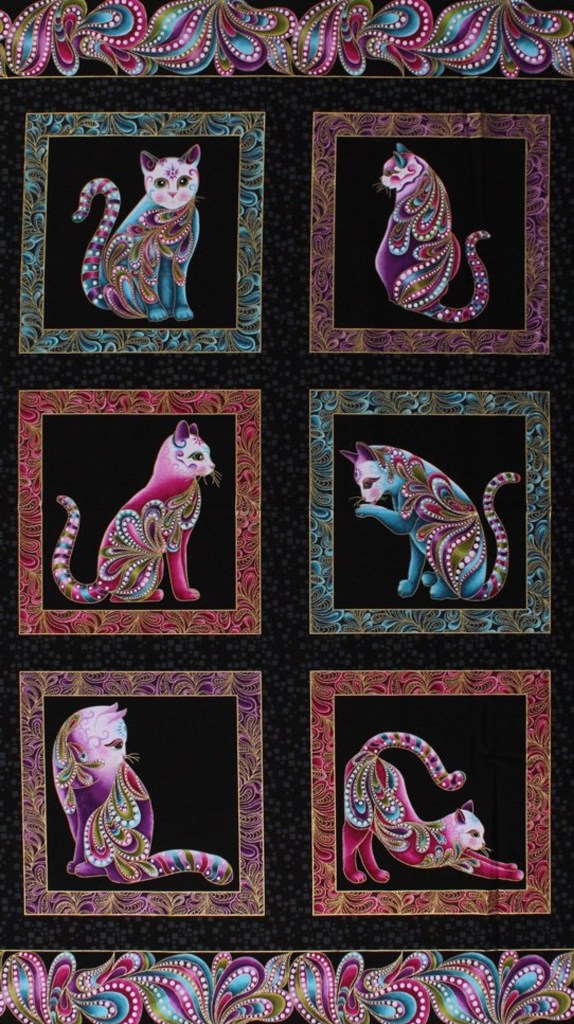
This quilt was really fun to make. The original panel included six different cats in three colors with some metallic paisley accents.

These panels were also cut apart and combined with coordinating fabrics of pink, purple, teal and black. The paisley border of the original fabric was handy when deciding how to manage the outer edge of sashing triangles.

These quilts were really fun to make!