Rocky Mountain High, Colorado

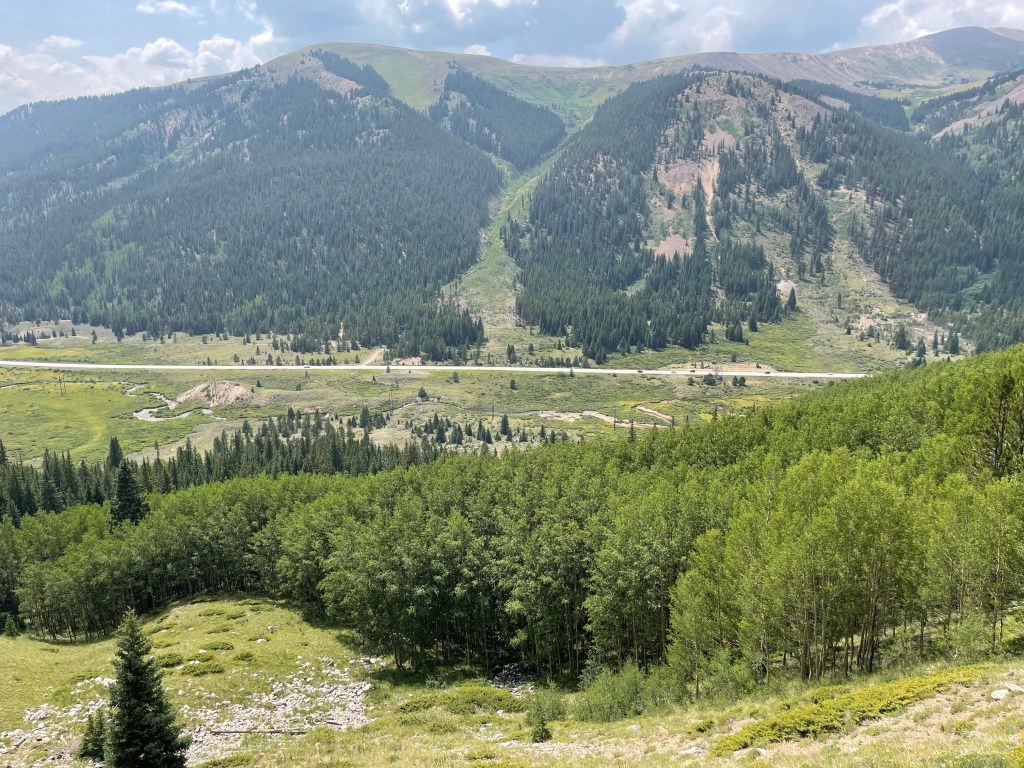
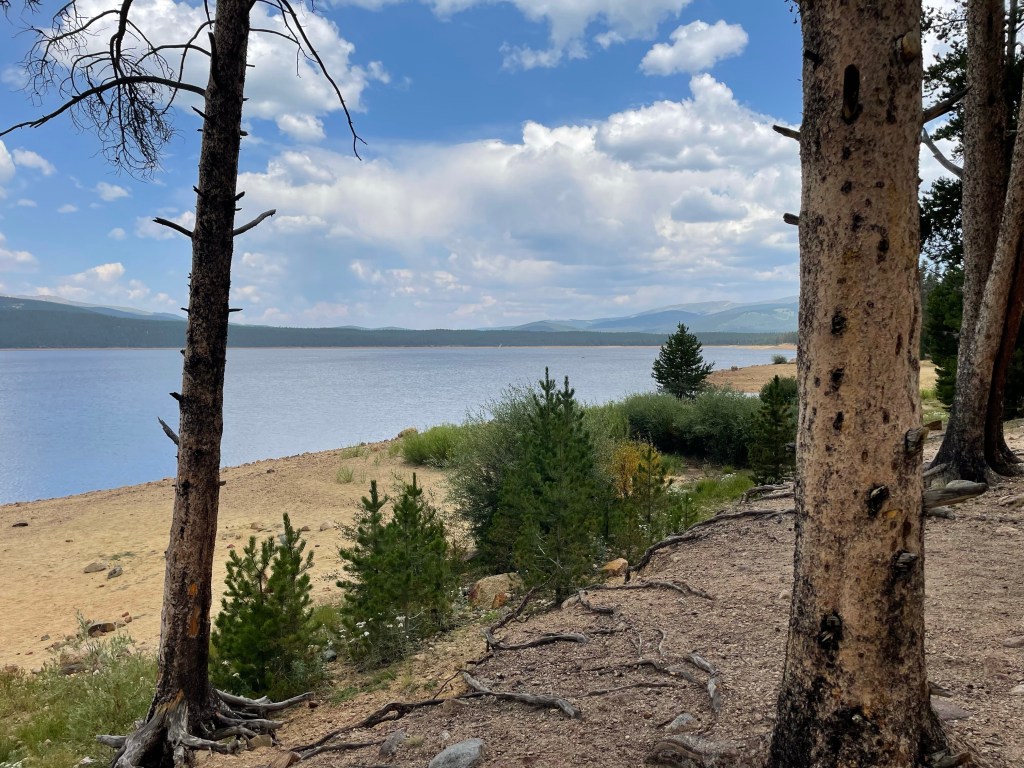
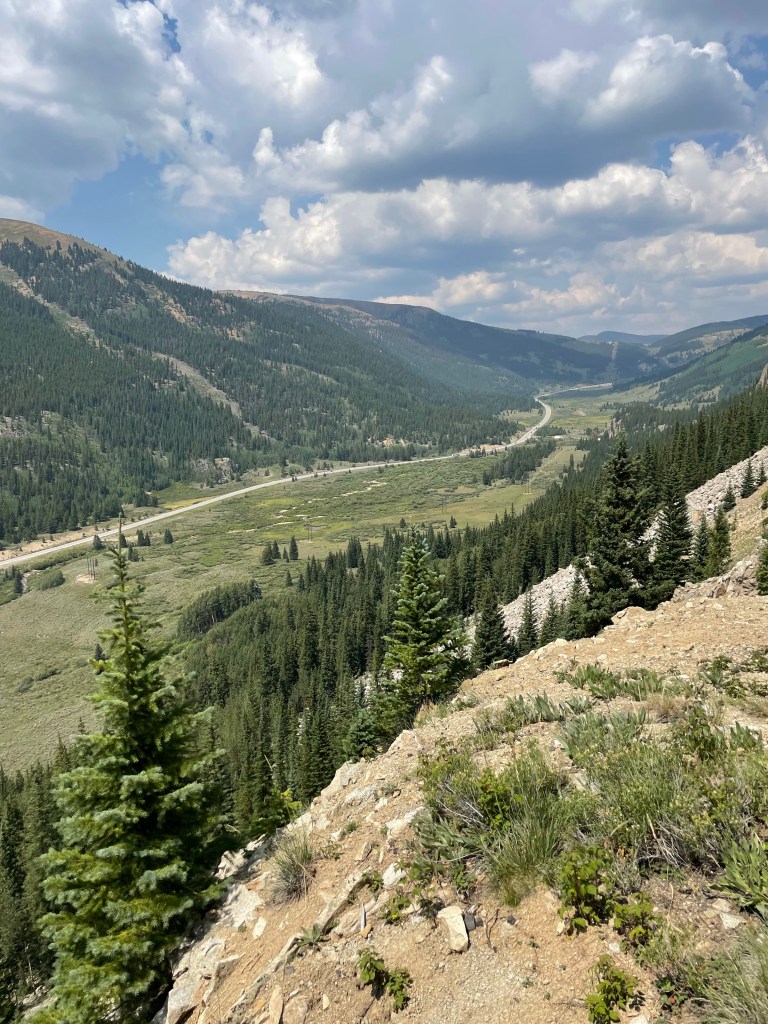
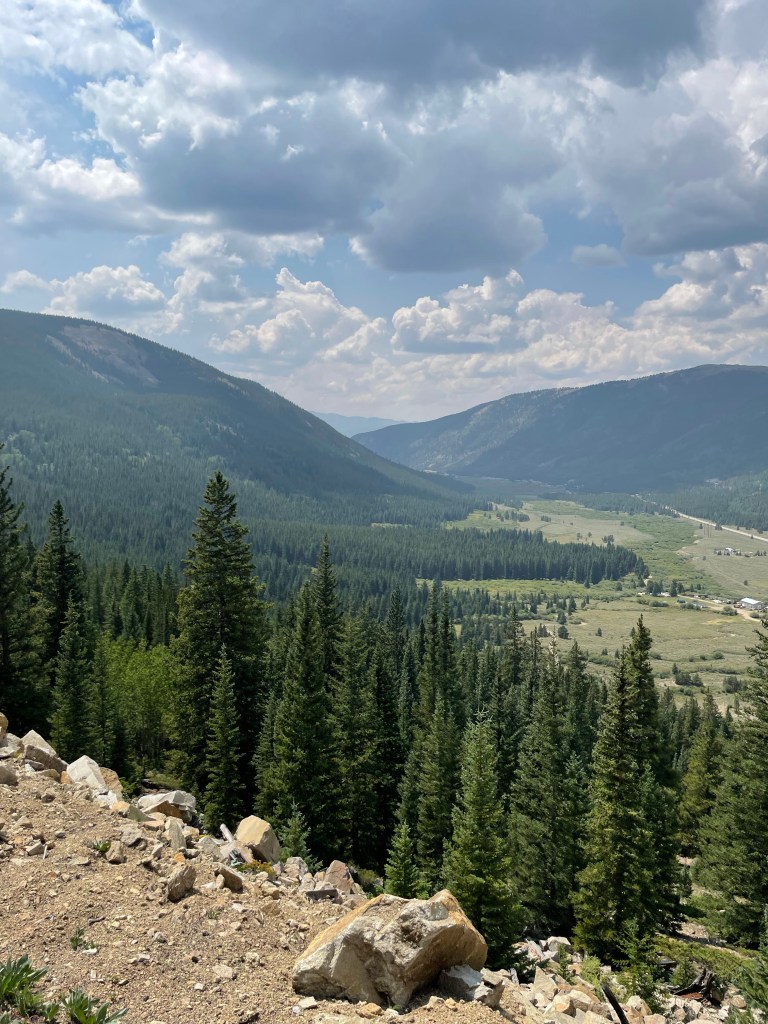
Retirement has given me more time this summer to take a couple trips, two of them to Colorado.

In July, I took a road trip to Denver. The purpose of this trip was to bring several boxes that my eldest son was storing at our house.  While a long drive, it passed quickly thanks to a good book to listen to on Audible. 

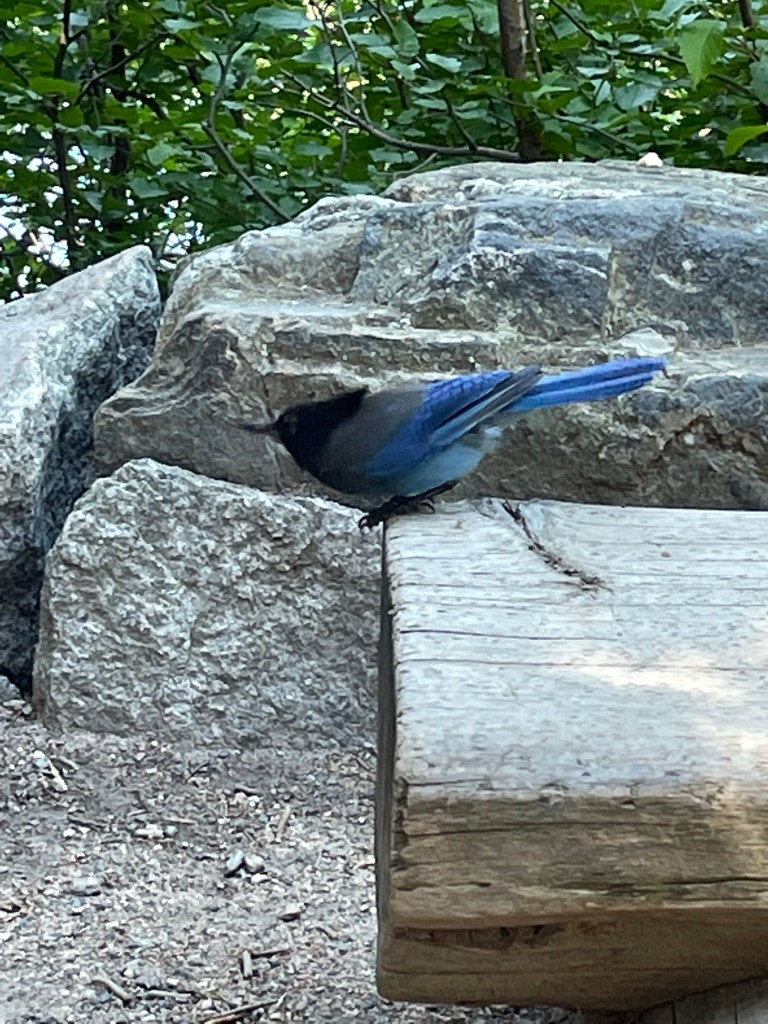
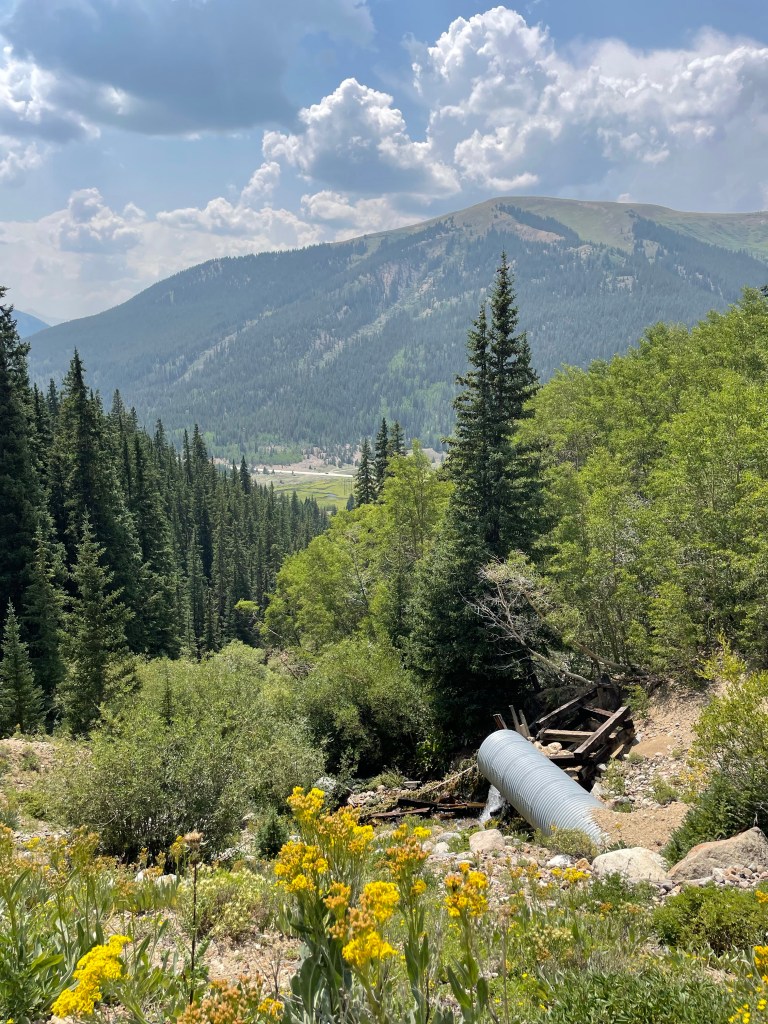
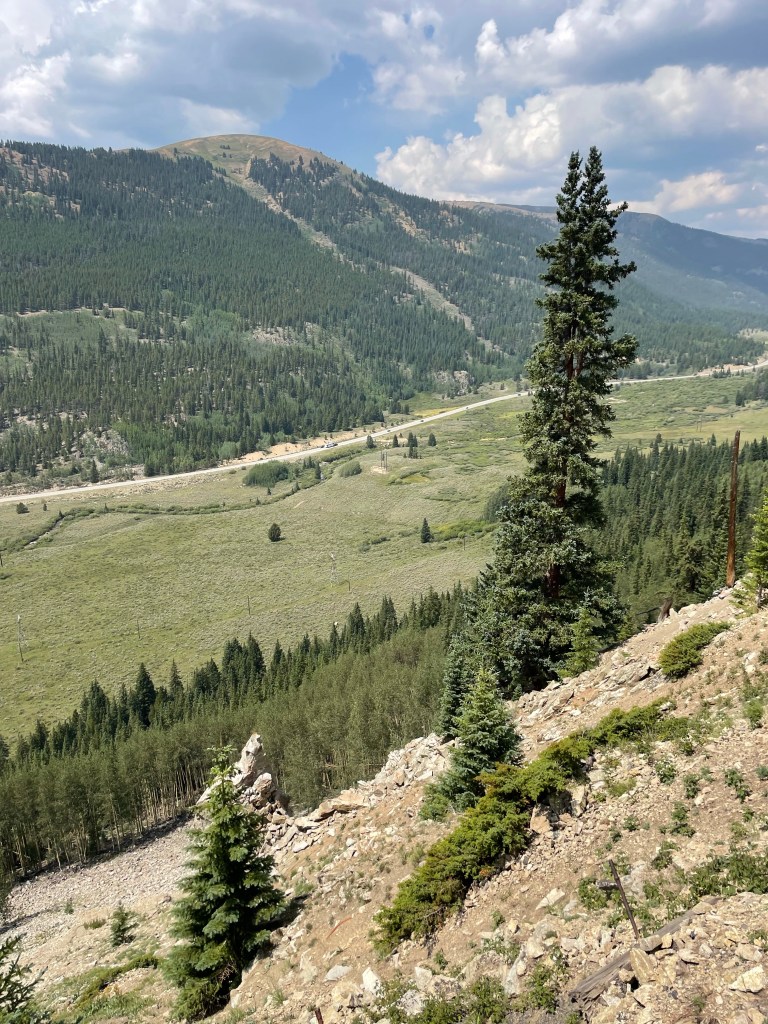
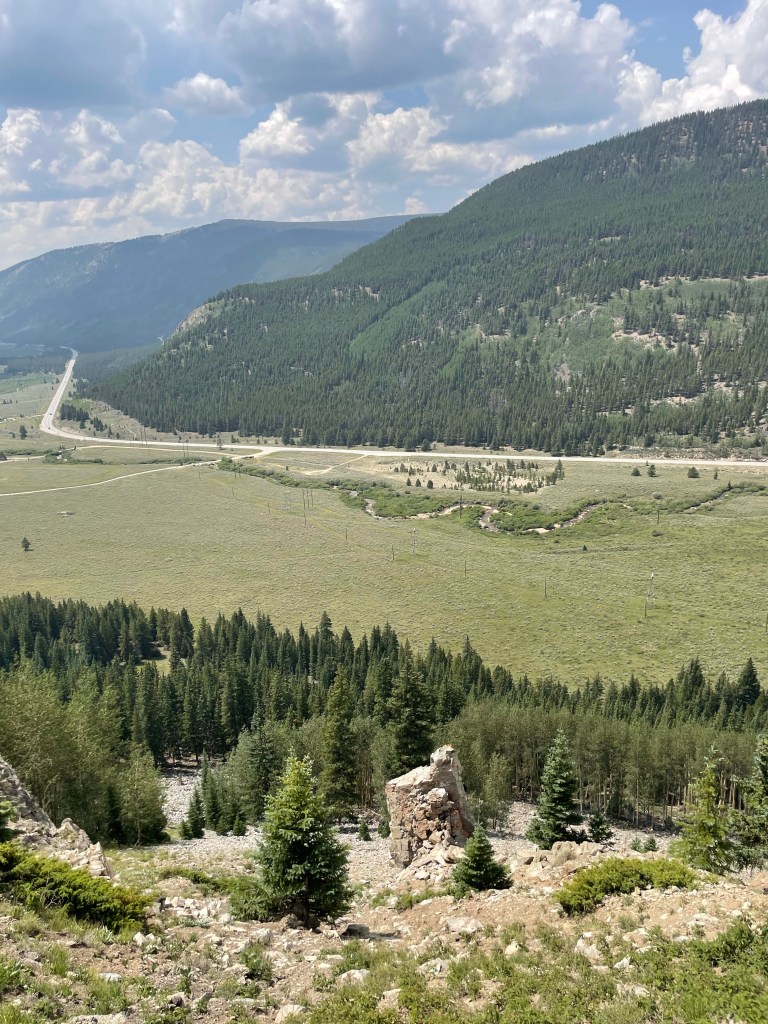
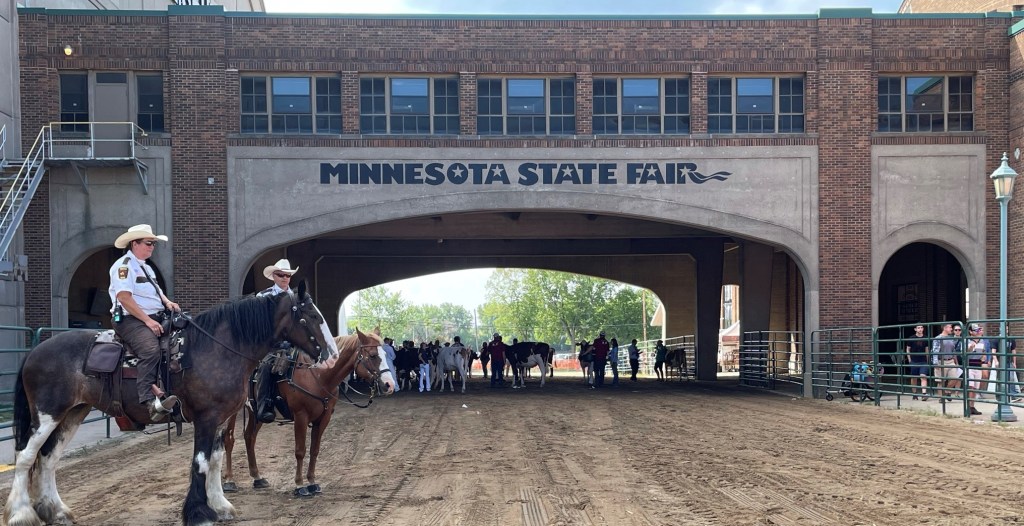
Besides helping him settle in to his new apartment, we also took a drive to Rocky Mountain National Park.  Photo intense!

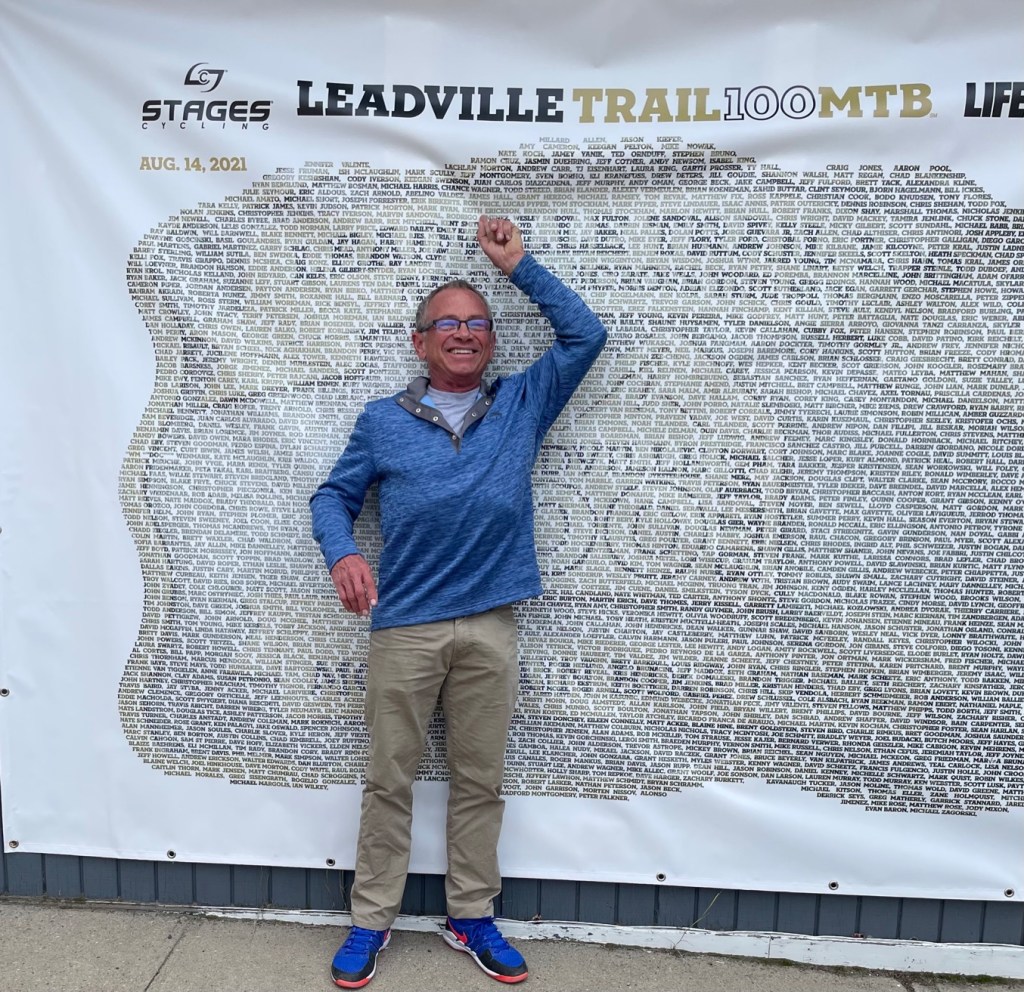
My second trip to Colorado was to serve as crew for my husband as he participated in the Leadville 100 mountain bike race. 

A few weeks prior, Keith had participated in the Leadville Stages race, but I did not accompany him for that trip.  The weather for this race was comfortable, but the race was still intense.

While there, he stayed with a family from Minnesota that have a second home in Leadville.

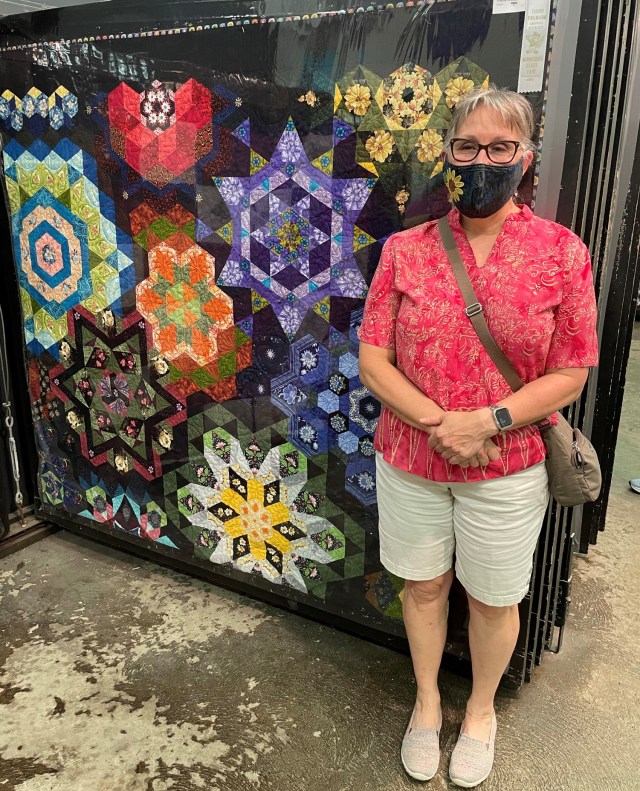
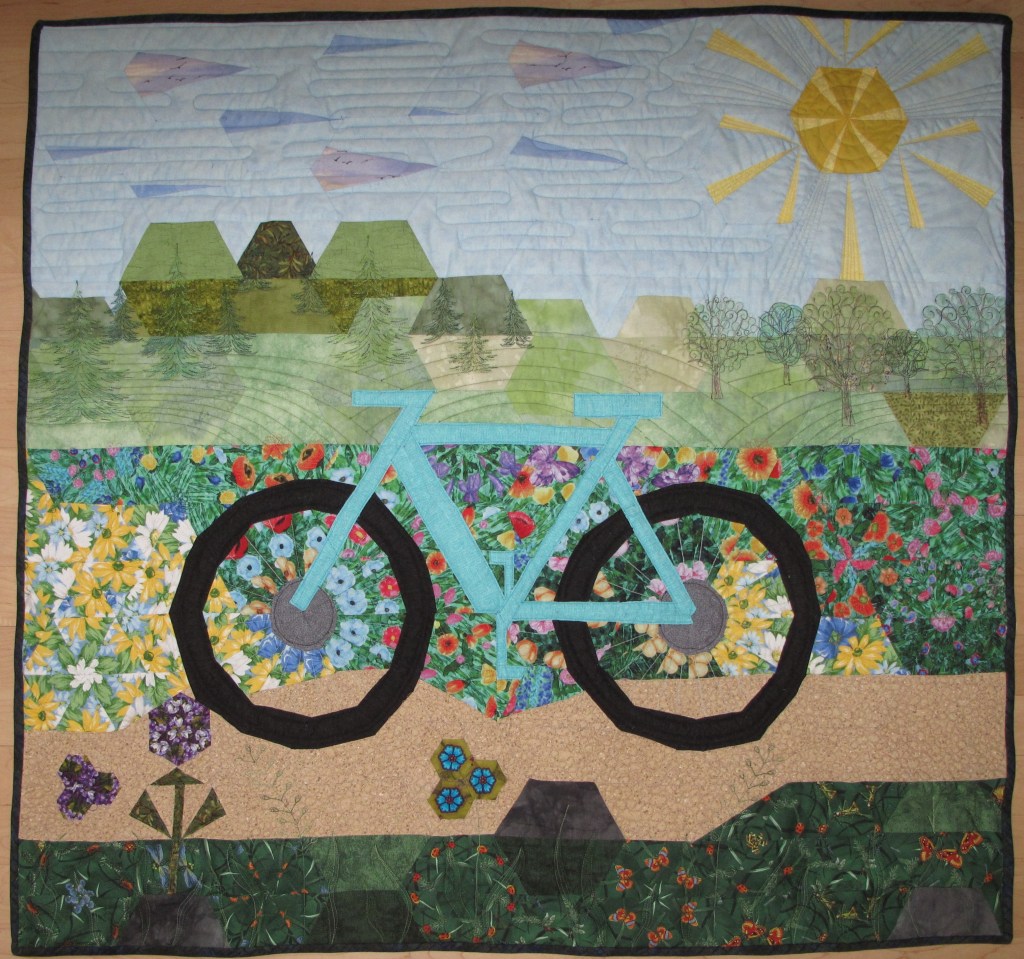
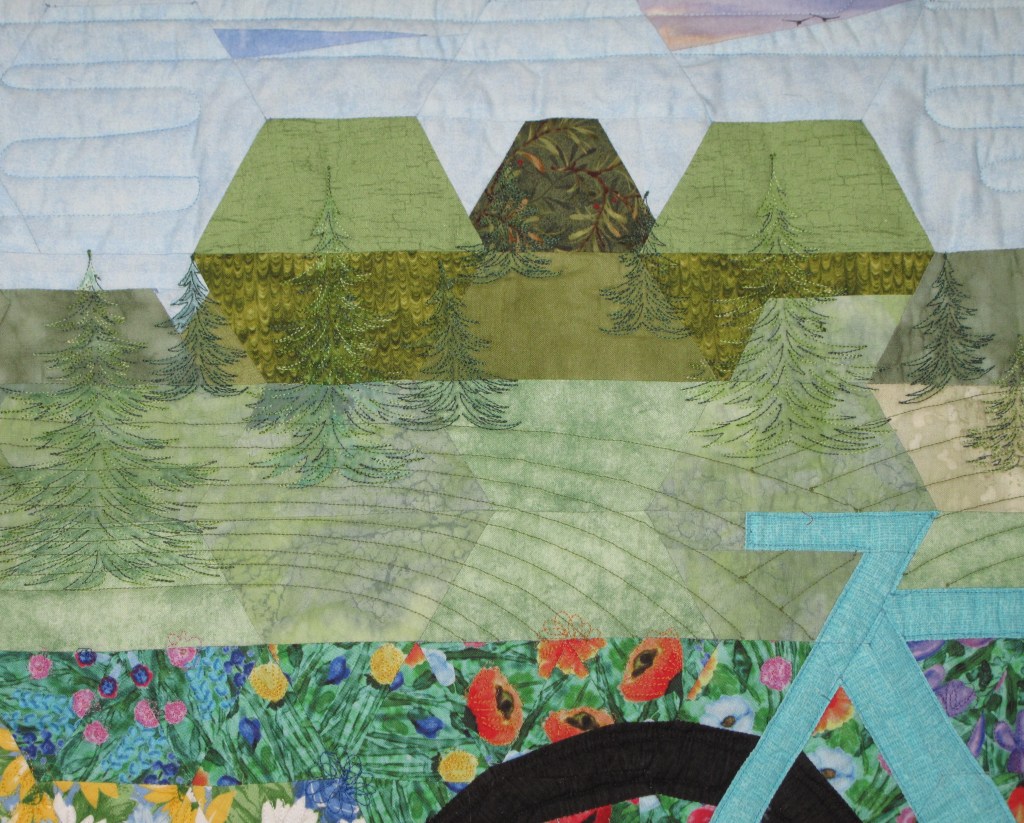
To thank them for their hospitality, I mailed them a bike quilt that I had made in 2020 when my office was closed.

For the MBT100 race, I really didn’t do much, just cheered him on when I was able to see him and help him switch out his water and food supplies mid-race. 

It was, however, an intense day for him.  The race started at 6:30 am with the morning temperature around 40 degrees.  Unfortunately for the riders, the temperature rose higher than anticipated.  By 2pm the temperature was 87 degrees with a fairly strong wind blowing. 

He did finish, albeit slower that he had hoped. 

However, given the conditions, I am very proud of him.  This is something that I personally would never ever consider doing. 

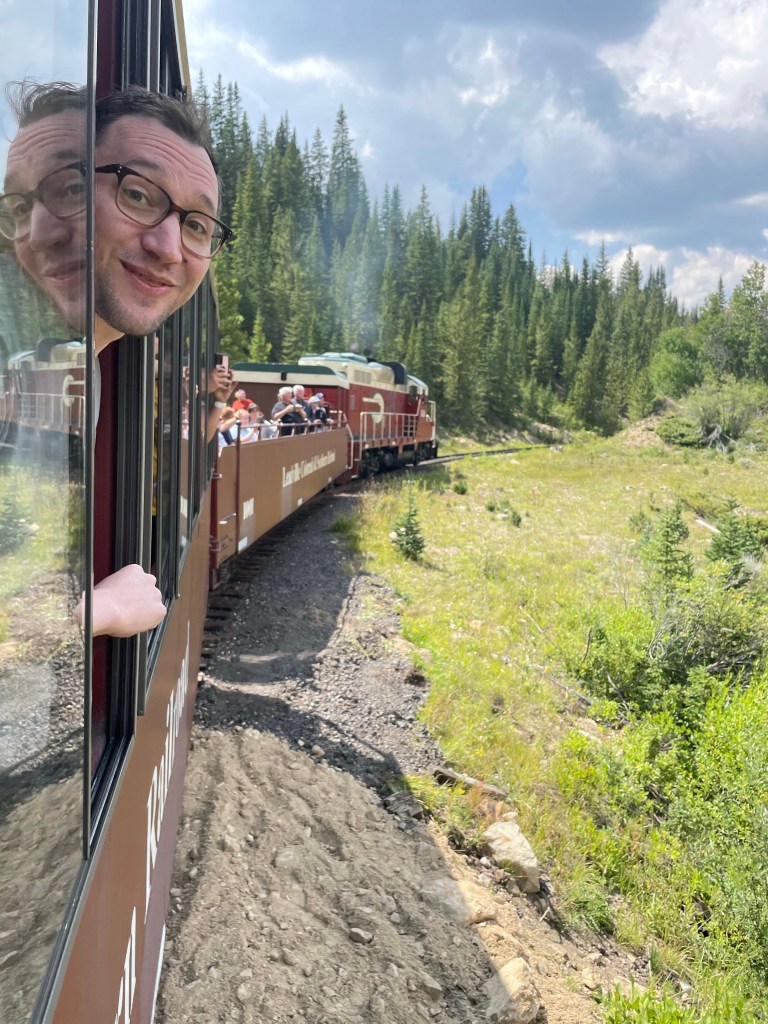
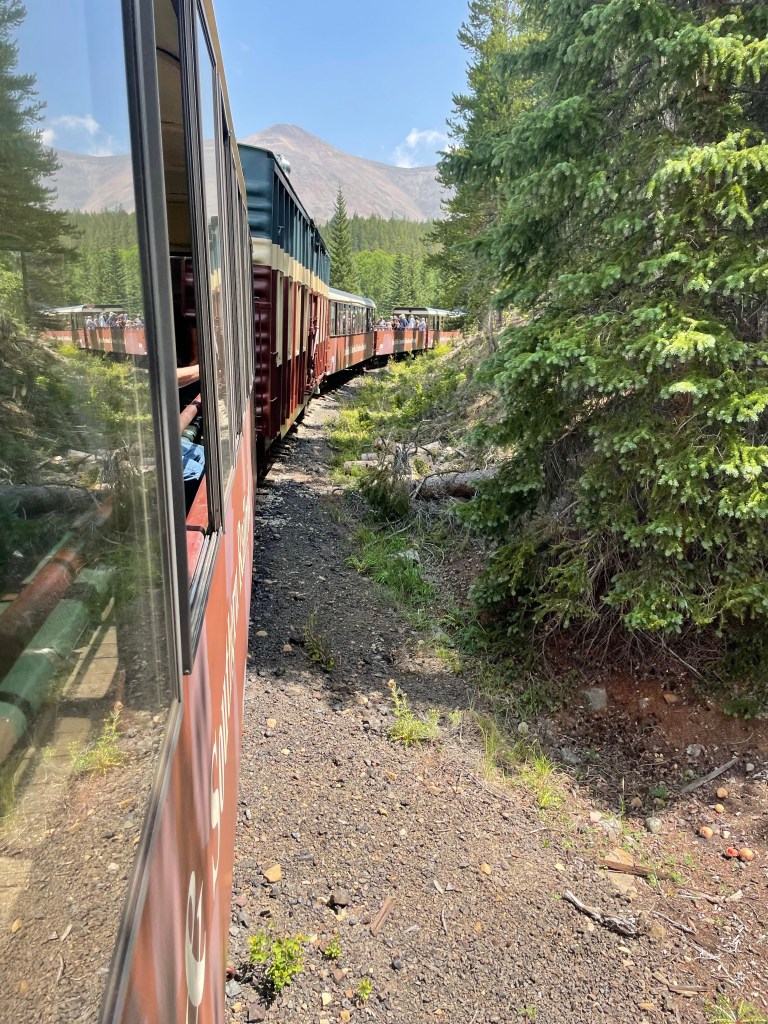
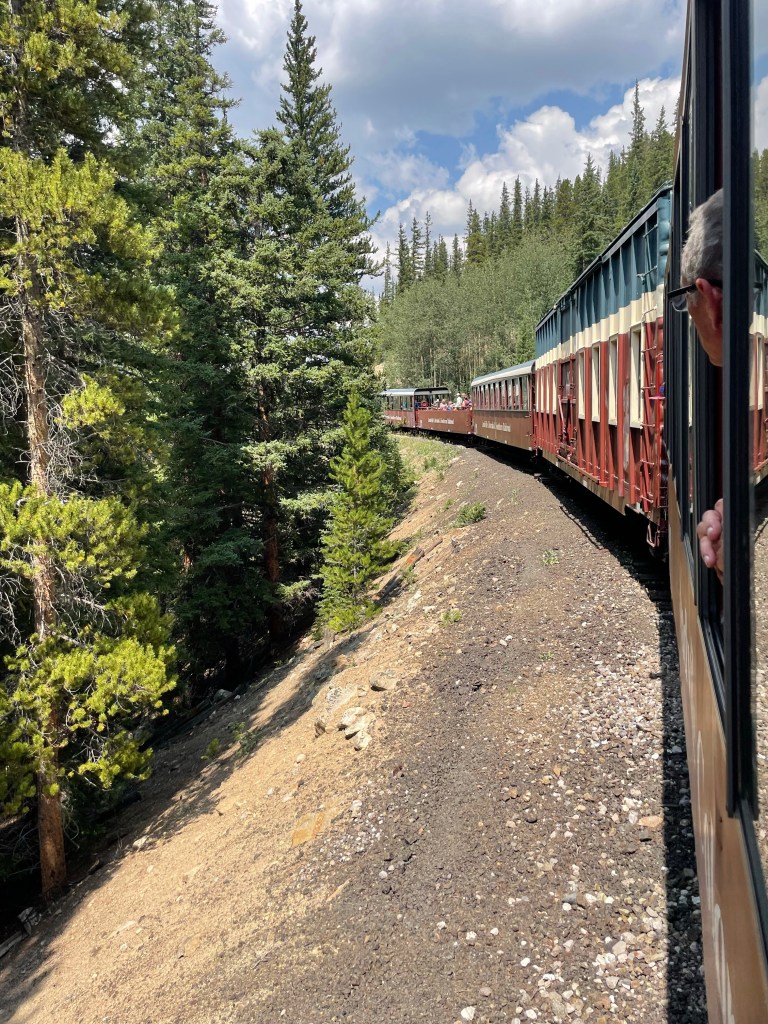
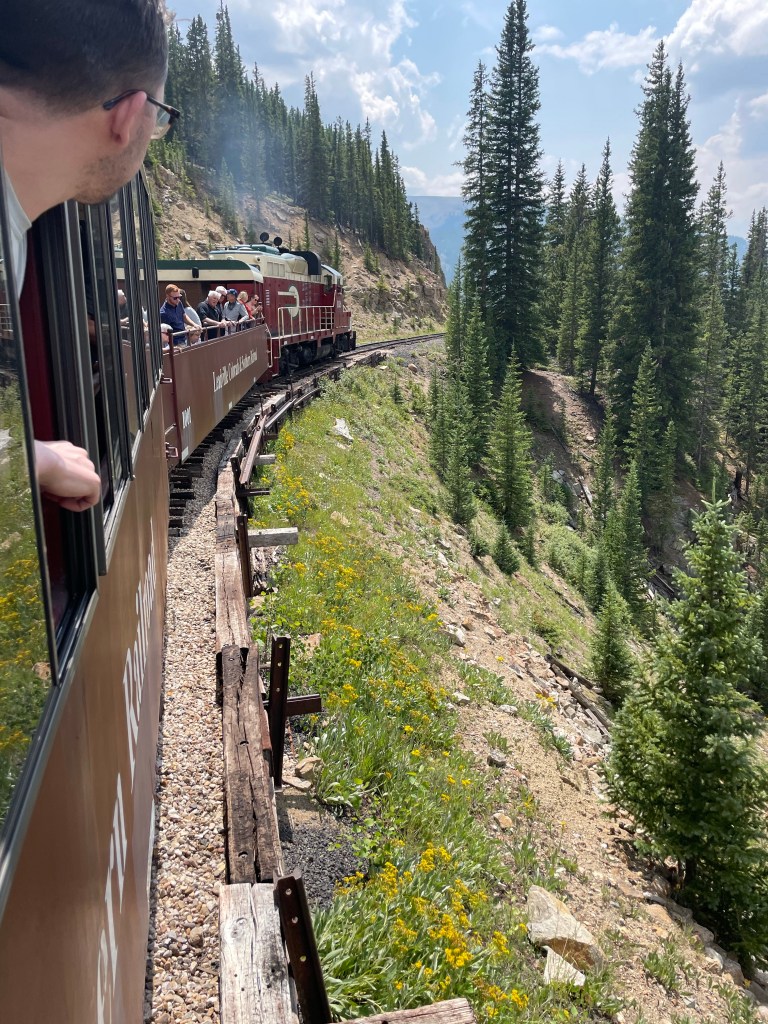
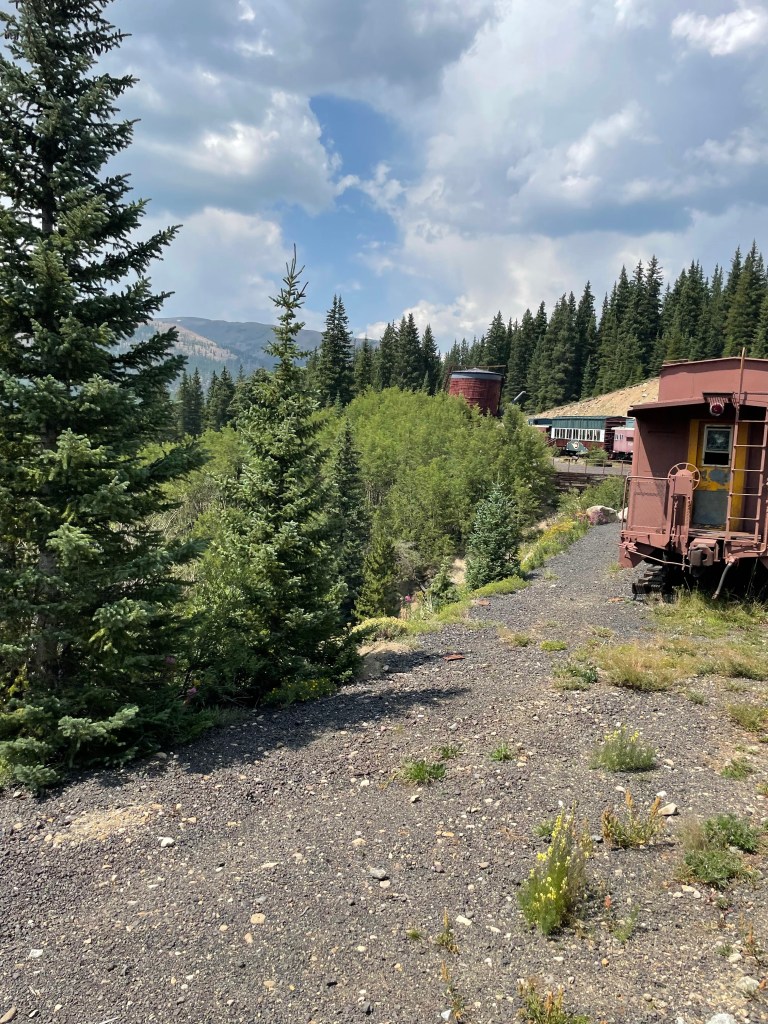
While in the area and after some time for Keith to recover, we took a ride on the Leadville Colorado and Southern railroad.  An enjoyable and scenic ride. Also, photo intense.

Copper Garden Art

Owning a house in the suburbs, we have a few utility boxes visible in the corners of our front yard. In one corner of our property, adjacent to the driveway, is the large electrical utility box. This box is mostly on our neighbor’s property, so I have not done anything to block the view of it.

However, in the other corner of our yard are the cable and telephone utility boxes. Since these are mostly on our property, a few years ago, I made some decorative screens to help them visually blend with the landscaping. Around the telephone box, I made a mini fence by attaching cedar pickets to several pieces of metal strapping that can be lifted up for easy access to the box.

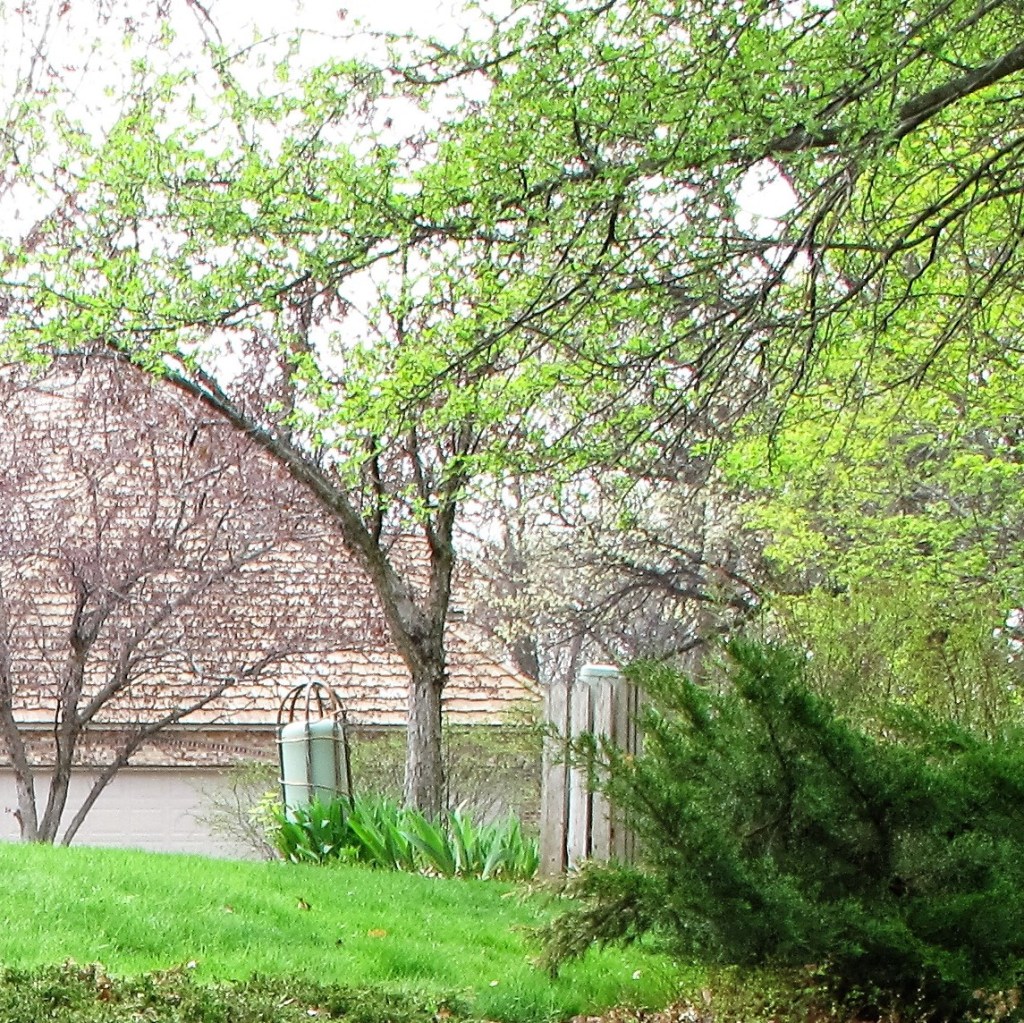
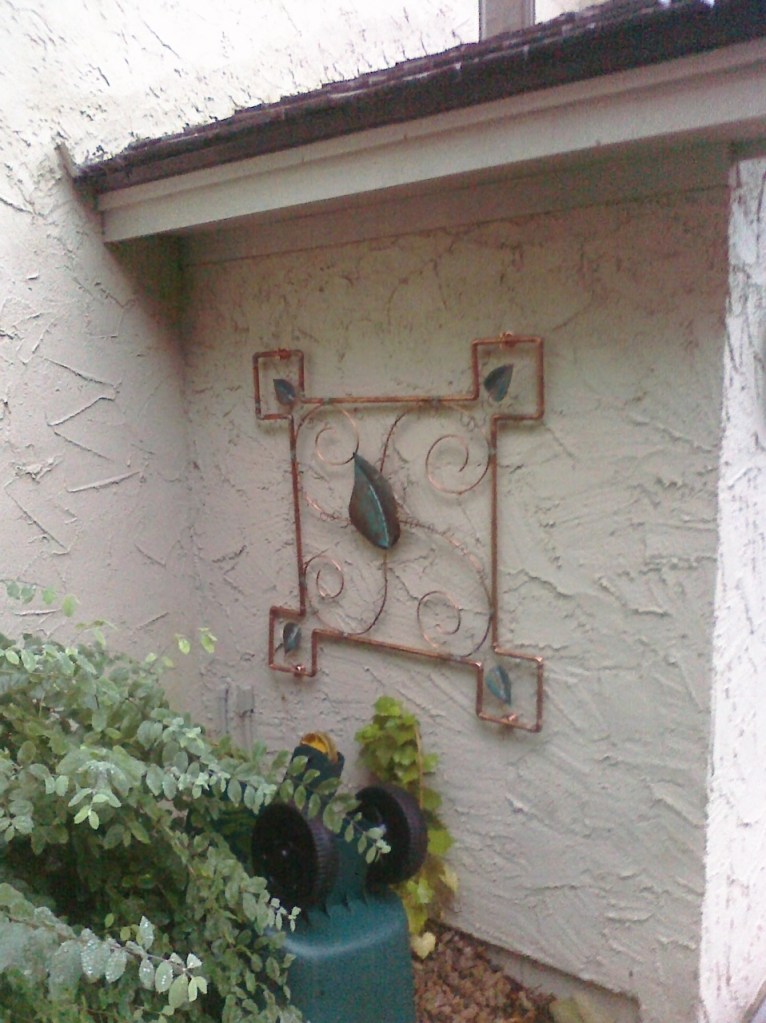
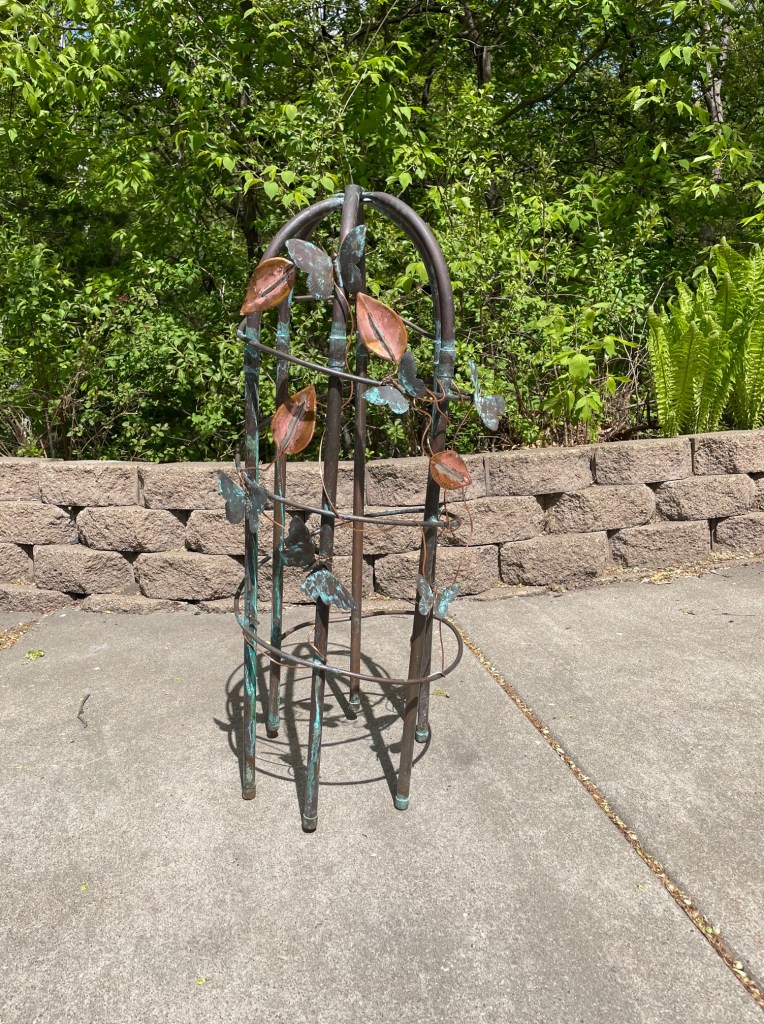
Around the cable box, I placed a trellis that I made out of copper piping. To help camouflage the box, each spring I would plant morning glories to grow on the trellis.

This worked really well the first two years after I made it. However, when the cable company would need to access their utility box, they would uproot the morning glories. Unfortunately, this has happened each of the past three years, and this year it was only a few weeks after planting the morning glories. Instead of replacing the plants, I decided to try something different to make the trellis more appealing.

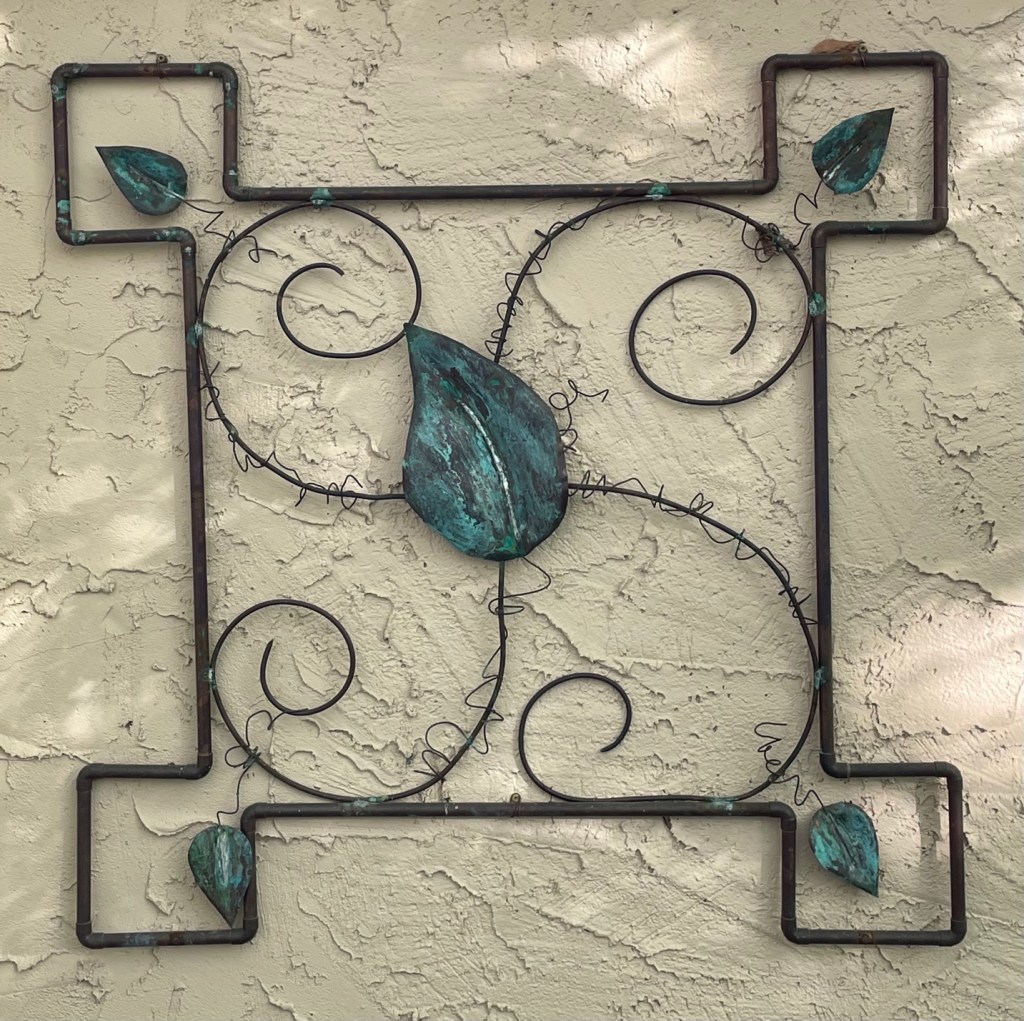
A while ago, I had made a piece of decorative art for the side wall of my garden shed. This wall sculpture was made out of pieces of copper pipe soldered together. Leaves were cut out of copper sheeting and soldered to heavy copper wire that was then twisted and soldered to the main copper framing.

Using this earlier project as inspiration, I decided to add some leaves and butterflies to the trellis surrounding the cable box. The leaves were cut out of left over pieces of heavy copper sheeting from my original project. The butterflies were cut out of a slightly lighter weight copper that I recently purchased.

To speed up the aging process, I sprayed these new pieces of copper with ammonium sulfate (Miracle Grow) and set them in bright sunlight for a day.

The butterflies turned a lovely shade of green. Unfortunately, the older copper used for the leaves did not patina very well. I guess I will need to wait and see what happens over time. These copper leaves and butterflies were attached with wire to the original trellis and placed back around the utility box (see photo at beginning of this post).

3D Garden Ideas

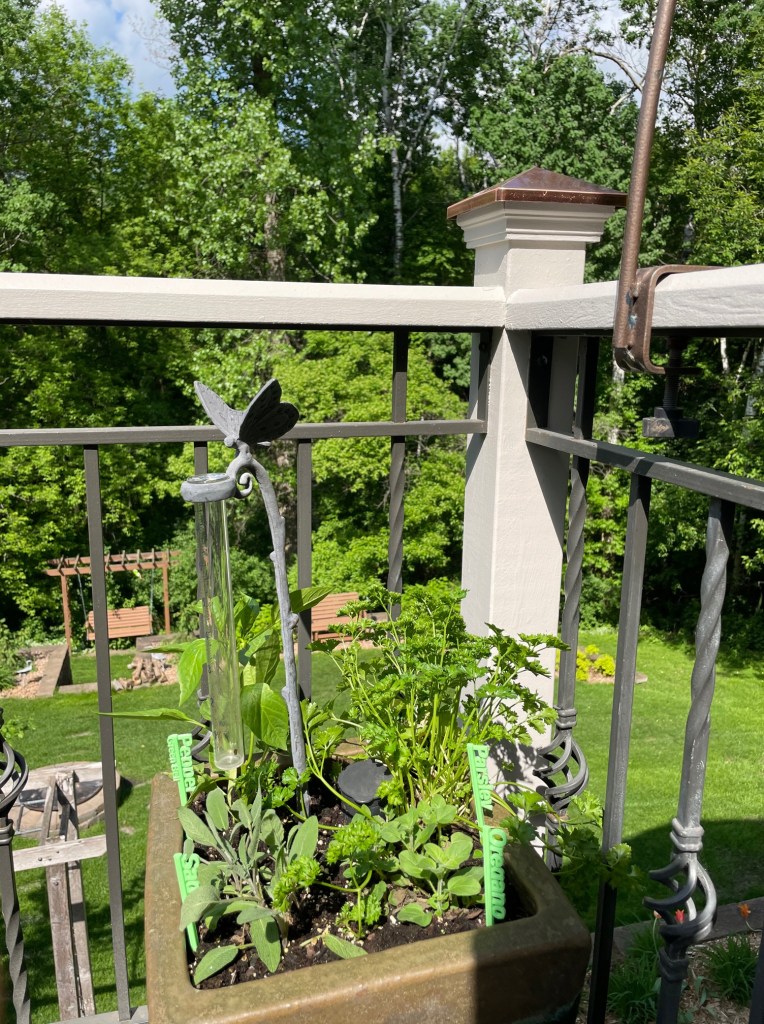
Since the wildlife is abundant in my yard, and our neighborhood HOA does not allow fences, I have moved most of my gardening to containers on my deck.

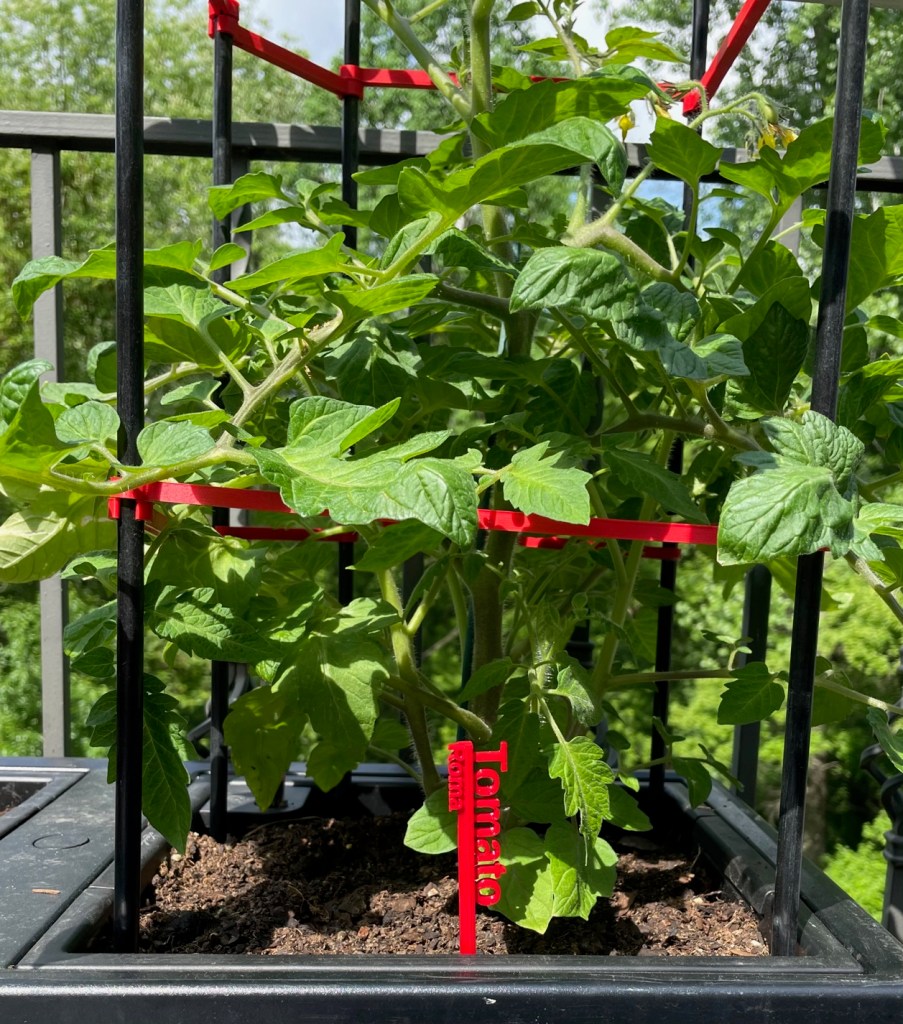
While I have been able to continue to grow my onions, hot peppers, peas, and cucumbers in my planting beds, tomatoes were problem. I thought tomatoes would be safe from the critters in the yard and for years I have grown them in planting beds in my yard. However, during the summers of 2018 and 2019, the wild turkeys would peck at them and ruin the fruit. So, at the end of 2019, I purchased a couple large Lechuza planters on clearance for growing tomatoes on my deck. Each of the planters had three removable planting boxes for easy storage in the winter.

At the time, I did not purchased the trellis system that went with the planters because they were not on clearance and would have cost more than the planters cost. Plus, I thought I would just use the tomato ladders I had used in the past when I grew the tomatoes in the planting bed in my yard. Unfortunately, when I used them last summer I discovered that these ladders were too top heavy for the new planters and the planters would tip over when we had a summer storm.

This summer, I sought other ideas for supporting my tomatoes. I originally bought a couple of the smallest tomato cages that are sold at the garden centers near me. Unfortunately, even the smallest cages were too big to fit the size of the planter boxes. So, I looked on line for other ideas. Having made other garden decorations out of copper, I considered making a couple copper trellises. But, again the cost was something that I thought was more than I wanted to spend.

A couple weeks ago, while doing laundry, I walked past my 3D printer and thought maybe I could print some type of trellis. After looking at ideas on-line, I tried out a few ideas. What I finally settled on was some fiberglass garden stakes and then designed some printed connectors that snap the stakes together. So far, they seem to be working well.

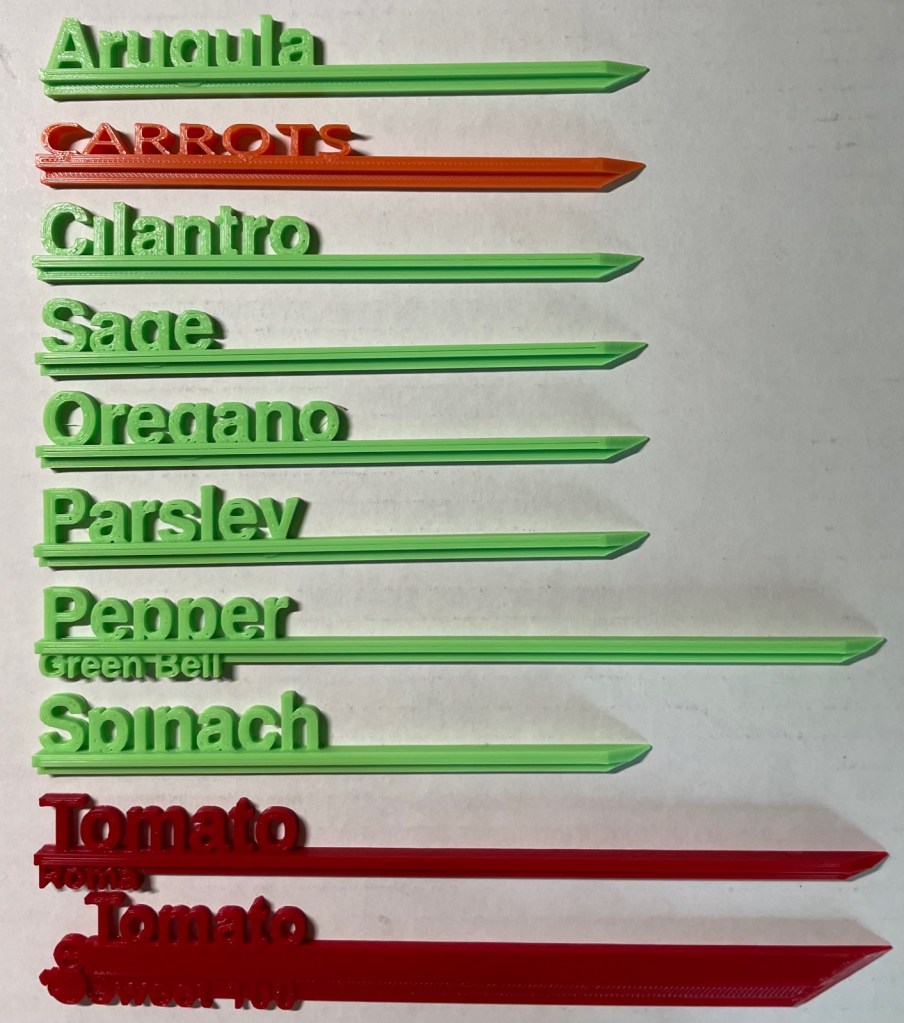
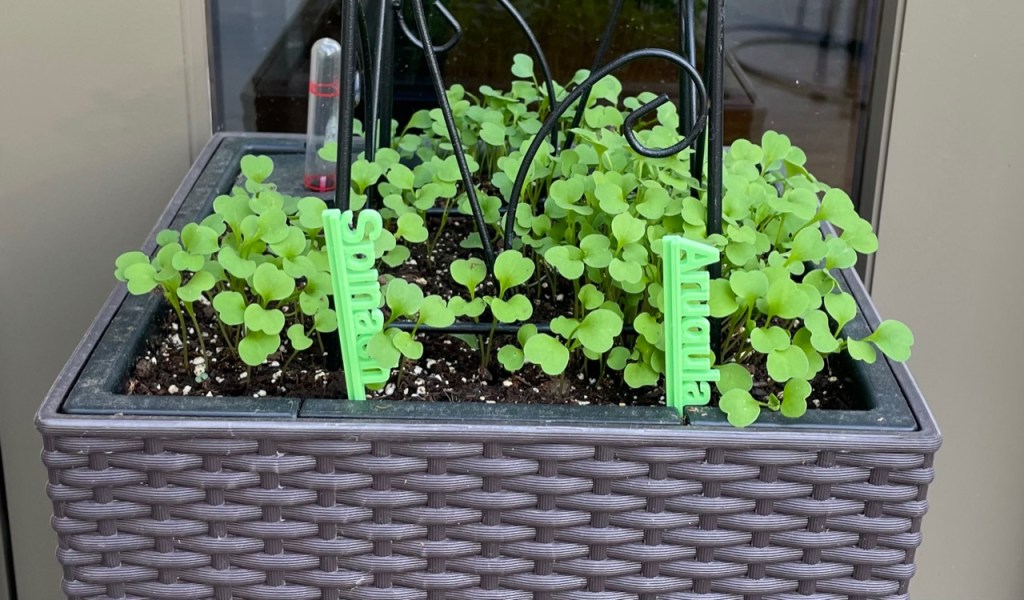
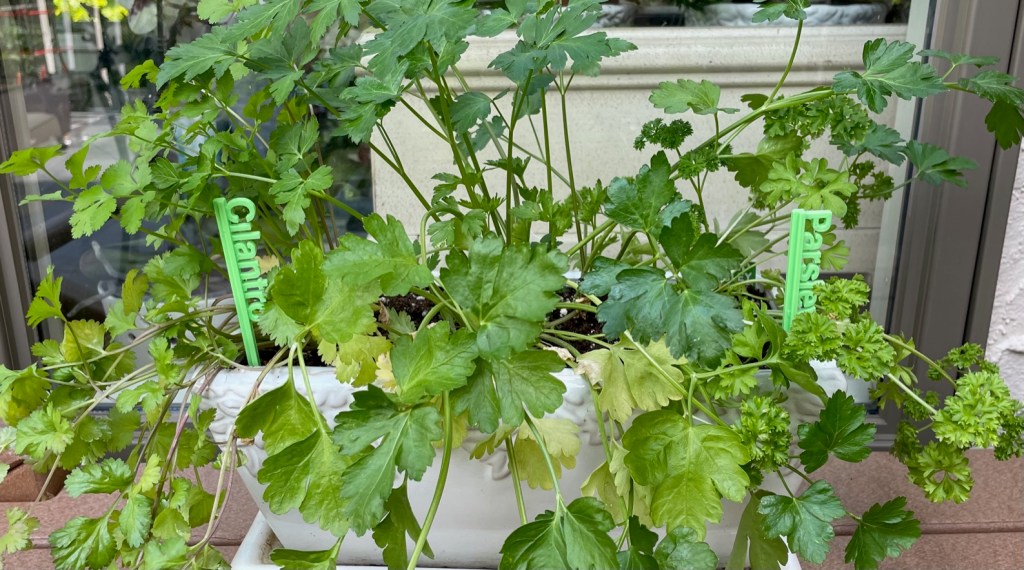
While perusing different printed gardening ideas on-line, I came across some plant labels. Did I really need labels for my plants? Well, no, I do know which plant is which. But, I liked the labels and decided to print a few.

Can’t wait to see how my garden does this year.

Repurposed Glass Bottles

This posting is a bit late, since these were gifts given to my brother for Christmas. But, better late than never.

The inspiration for these gifts were my brother’s strong liking for beer. This is one thing I do not have in common with him, I actually hate the taste of beer. So, to obtain the bottles that I needed for these projects, I had to rely on my sons and some of my friends for the empty bottles.

Glass Art: After taking a class at a local glass supply store, I tried my hand at making glass art from crushed bottles and scrap window glass. This was a fun project, but actually a lot of work.

For the clear background, I used glass that came with a couple frames that I had recently purchased. Because most window and photo frame glass has a thin film of tin, this layer needs to be identified and removed with a chemical solution prior to fusing. After cleaning with isopropyl alcohol, two pieces of glass were then fused together using a full fuse program to make the main background of the project .

For the tree, brown and green bottles were crushed with a frit piston and screened with frit sifters.

To make the trunk of the tree, brown glass frit was contoured on the background glass with some GlasTac.

The green frit was then added to create the canopy of the tree and the surrounding ground. The project was fired using a contour fuse program (1375F max temp).

Finally for display purposes, the project was slumped over a gentle curved stainless steel mold and mounted in a metal base (see photo above).

This was a fun project, but I think the next time I attempt glass sculpture with frit, I will probably use premade purchased frit.

Bottle Projects:

I have previously used empty bottles for wind chimes and as the base of pot melt mushrooms. Most wine bottles have a dimpled or punted bottoms. However, beer bottles generally have a flat bottom. When fired on their sides, flat bottoms fold up nicely. This made these beer bottles useful for making several projects.  After several trials, I settled on using a full fuse program (max temp 1425F) for flattening the bottles on my kiln shelf.

Napkin holder: The flattened bottle was balanced on a napkin holder mold and fired at using a slumping program (max temp 1280F).
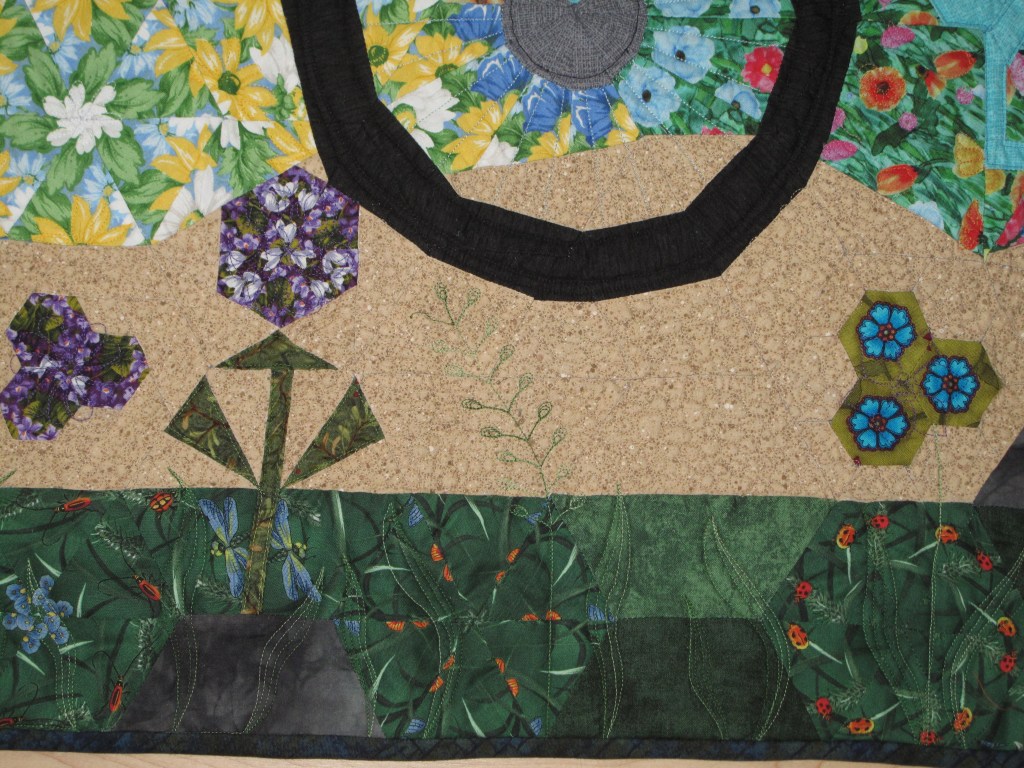
Trivet: To make two different serving trays, two and three bottles were overlapped slightly and again fired at a full fuse program (1425F). After firing and cooling, clear adhesive pads were placed on the bottom of the trivets. I forgot to take a photo of the beer bottle trivet, but I did recently make a trivet out of sparkling cider bottles.

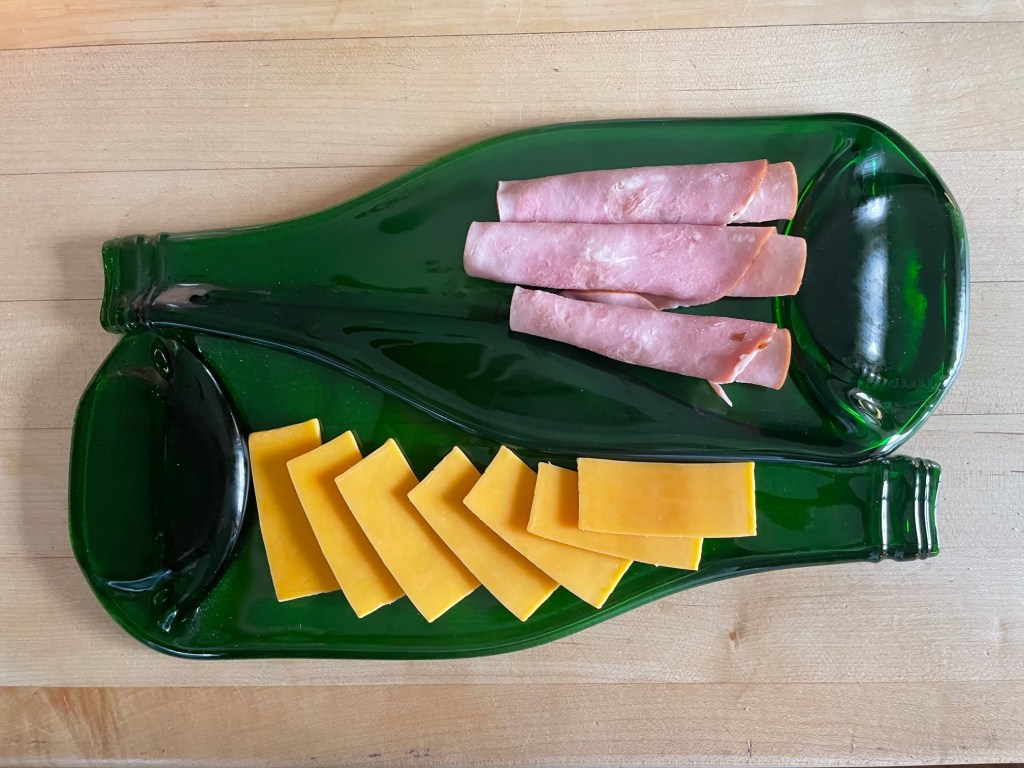
Serving dishes: A cleaned and empty beer bottle, sparkling cider bottles or wine bottles (not flattened), was placed in an appropriate sized bottle slumping mold and fired following a bottle slump program (max temp 1280F, with a slow initial ramp at 250F/hour and a 30 min hold at 1100F to allow for the air to escape from the bottle).

These were all really fun projects to make.

Graves Into Gardens

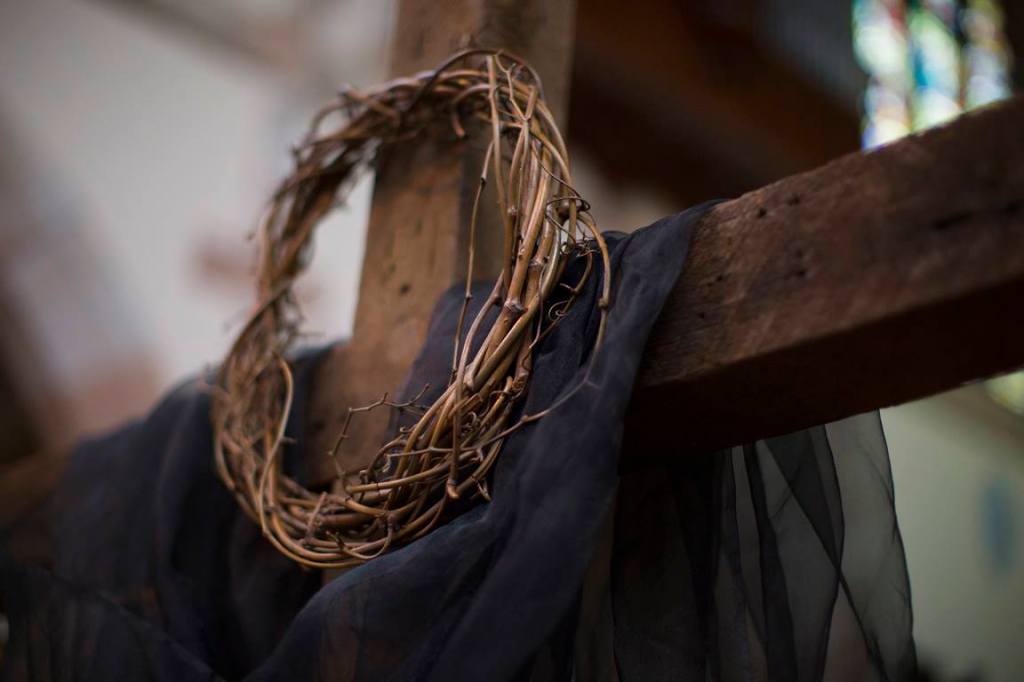
At first glance, Good Friday seems like a strange name to refer to a day that designates pain and death. If Jesus suffered and died on this day, why is it called Good Friday?

The sins of the whole world were poured out on Christ when he hung on the cross. If you had spoken with his friends and family on the day he died, they would not have said it was a good day. All hope seemed lost, evil and death seemed to have triumphed. So, when only looking at a single day, it really was a horrible Friday.

However, on that Friday, Jesus willingly suffered and died as the ultimate sacrifice for our sins. Three days later, the forces of evil were defeated and death was destroyed. From that day, we all have a way to be free of sin and death. So, when viewed in the context of events that happen just three days later, the Resurrection of our Lord and Savior, it was indeed a Good Friday!

Extraordinary Bread – Fougasse

Fougasse is a type flatbread baked in Provence and likely to have additions like olives, cheese, or garlic. Traditionally used to assess the temperature of a wood fired oven, Fougasse was made daily. The time it would take to bake gives an idea of the oven temperature and whether the rest of the bread can be loaded (hence the French phrase ‘il ne faut pas brûler la fougasse’: ‘do not burn the fougasse’).

One of the shows I like to watch is The Great British Baking Show. I enjoy the creativity of the bakers and the variety of baked goods that the show highlights. So, when the Extraordinary Breads collection included Fougassa, one of the technical challenges from season 1 of the show, I knew I had to try this recipe.

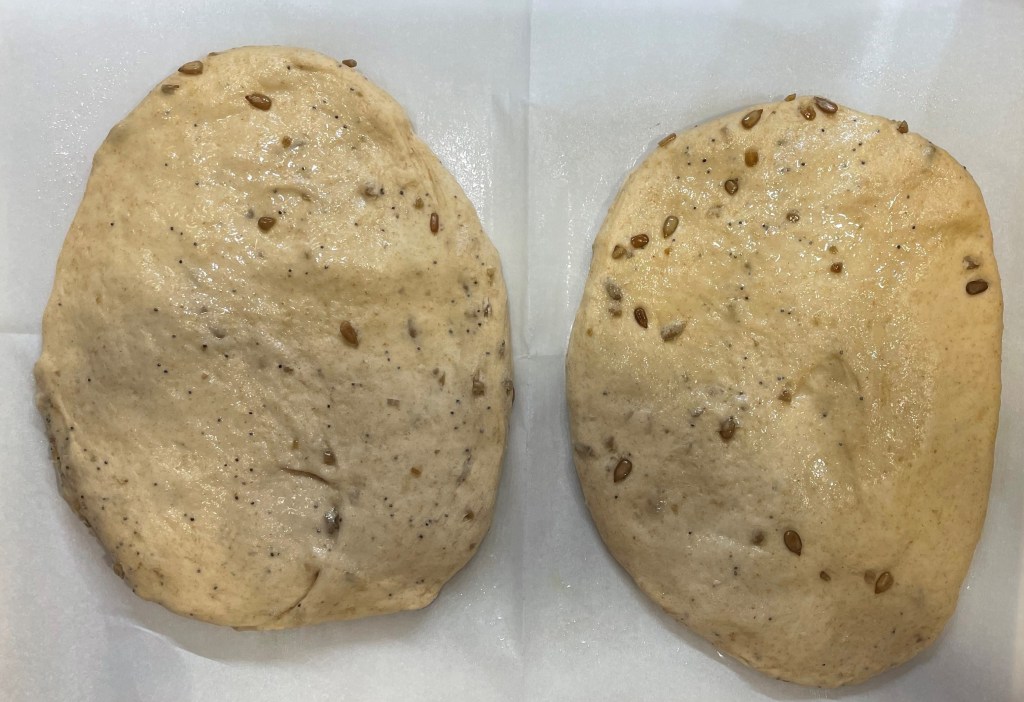
The King Arthur Baking Company Recipe calls for chopped onions and olives in the dough. Since, I absolutely hate olives, I decided to add some seeds instead (sunflower, poppy and sesame). I also made two flatbreads instead of one really large one.

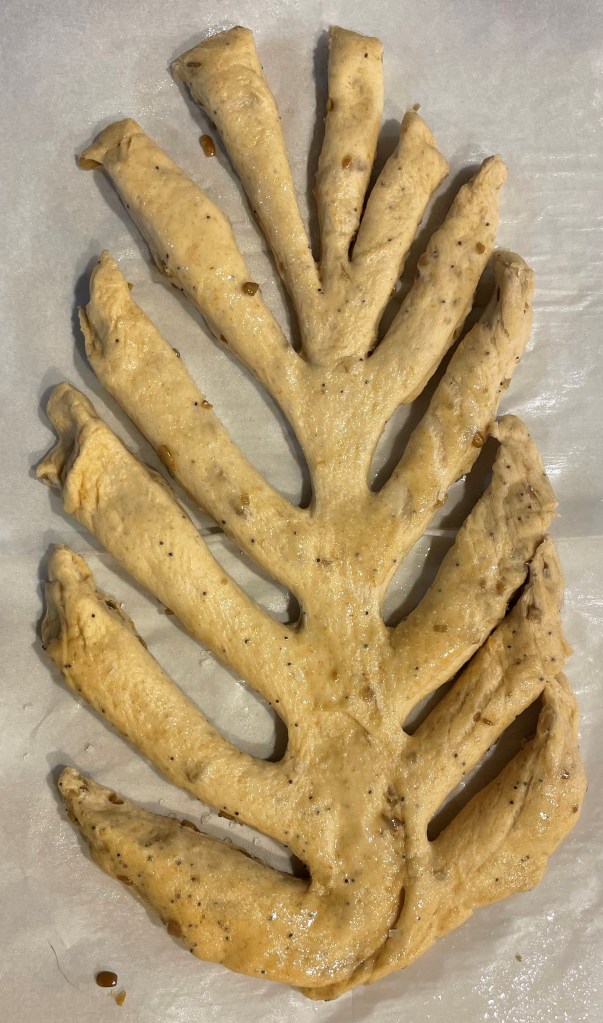
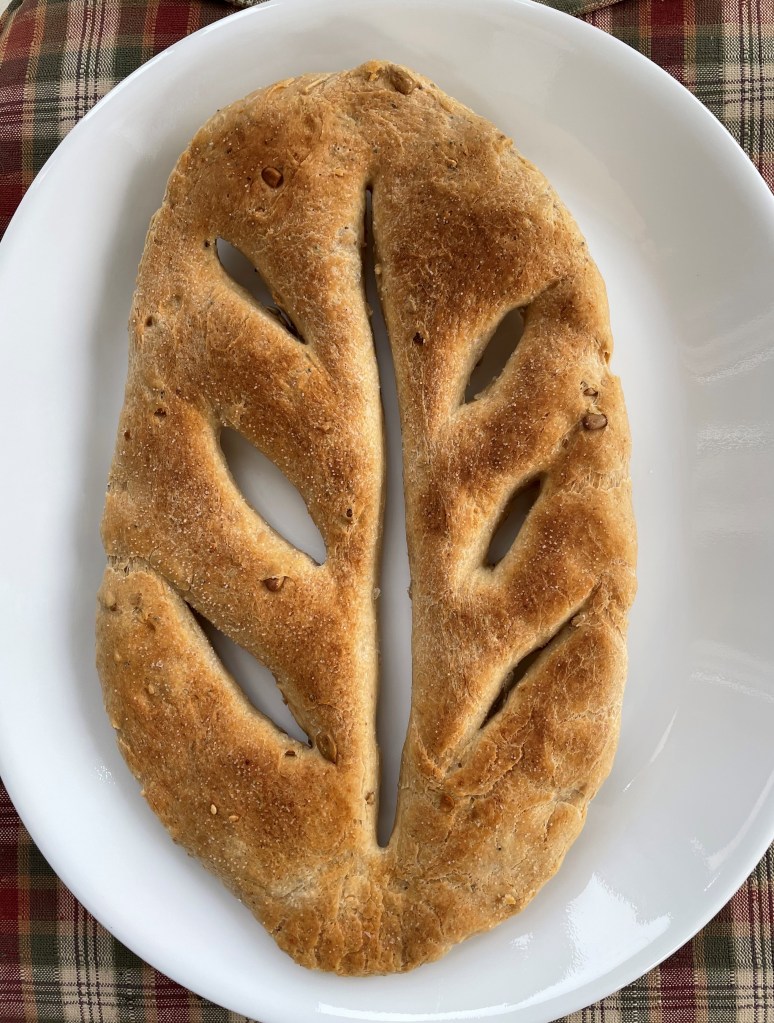
One of the flatbreads was cut with the traditional slits. For the other flatbread, I cut it to look like a palm leaf. While this idea worked well, when I make this for Palm Sunday, I will cut the tips so that they are pointed rather than blunted.

After baking the flatbread tasted great, especially when pieces were dipped into garlic-herb infused olive oil.

I have now baked each of the twelve Extraordinary Breads. I think I need to try some low carb baking for a while.

Extraordinary Bread – Potika

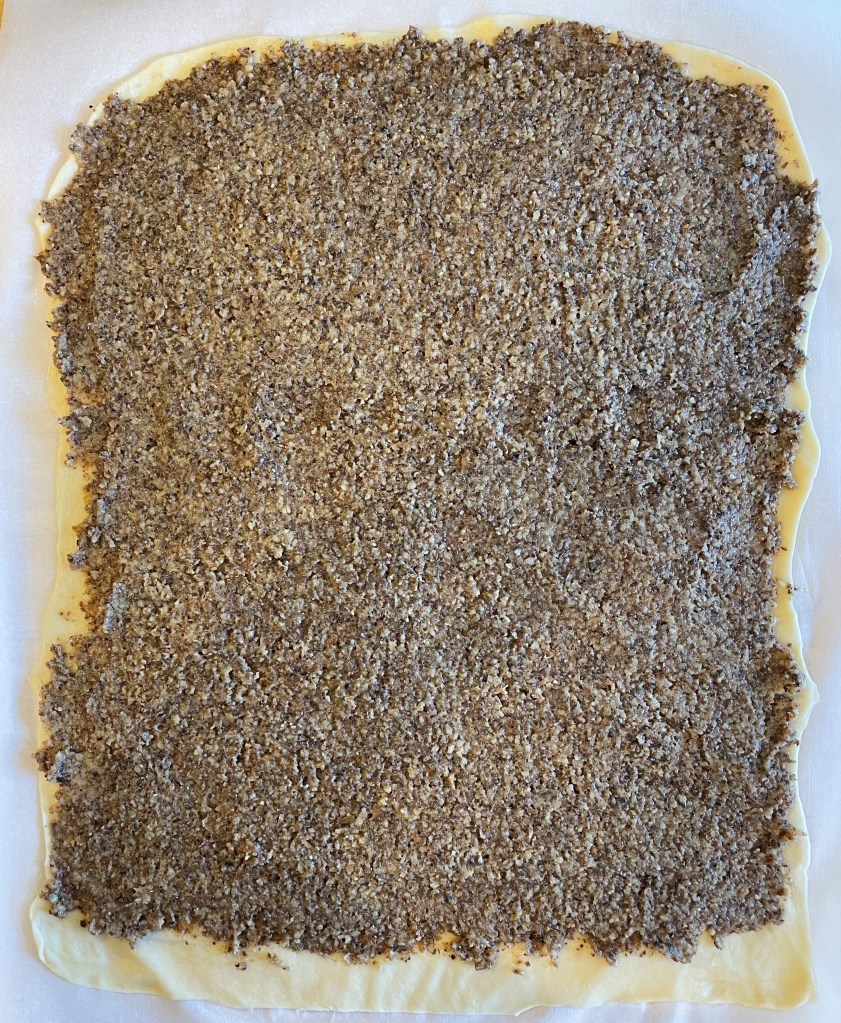
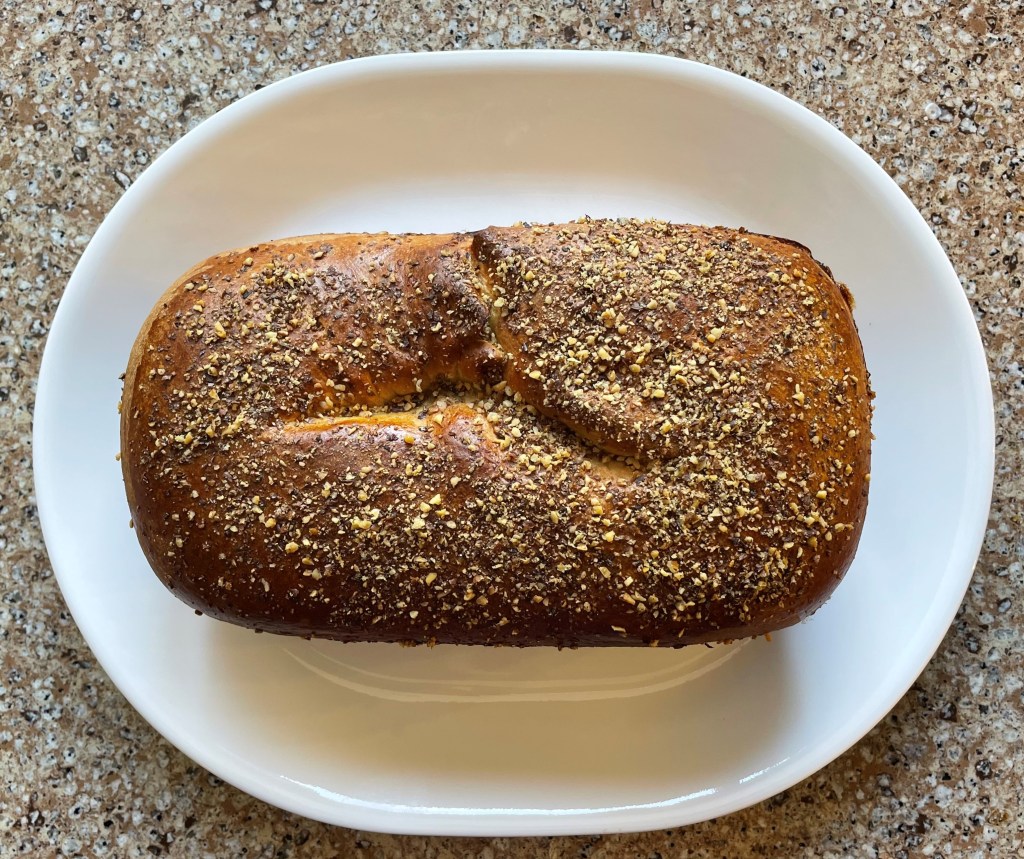
I am nearing the end of my recent attempt to try all of the recipes in the King Arthur Baking Company, Extraordinary Breads collection. Today’s recipe is another nut filled recipe, Potika. I am very thankful I purchased a large bag of ground walnuts when I was at Fleet Farm a few weeks ago. I was saved the hassle of having to grind the nuts myself!

Each loaf had over 2 cups of ground walnuts in the filling!
I am thankful that my youngest son likes nut bread. He actually ate most of the loaf.
This loaf of bread was really pretty when cut into and it tasted great!

I may try making this again using ground pecans.

Extraordinary Bread – Cinnamon Star Bread

The King Arthur Baking Company recipe for Cinnamon Star Bread is one I have made several times. It’s actually a rather easy recipe to make and tastes great.

So, in honor of St. Patrick’s Day tomorrow, and to try something different, I decided to make a savory version of this recipe and try to make shamrocks instead of a star. The changes that I made are not really Irish, but rather Greek in flavor. The color, however, is most definitely an Irish green.

One drop of green food dye gel was added to the dough when mixing.
For the filling, I put 4 ounces of cooked spinach leaves and 1/2 cup feta cheese in my mini food processor and pulsed until a creamy paste resulted.
The dough was flattened into discs. Instead of making one large loaf, I opted to make two smaller loaves.
The filling was spread over six of the discs.
Three discs with filling were stacked one on top of the other with a filling free disk placed on top. Then slits were made through all layer
Two adjacent sections were twisted together to create the three leaves of the shamrock.
After a 45 minute rise time, the dough was sprinkled with sea salt and baked.

These were very tasty and a very green for St. Patrick’s Day. But, I think next time, I’m not sure I like the green colored bread. Next time I make this I will leave the food dye out of the dough.